
Are Kegels Always the Answer During Pregnancy?
Apr 7, 2026
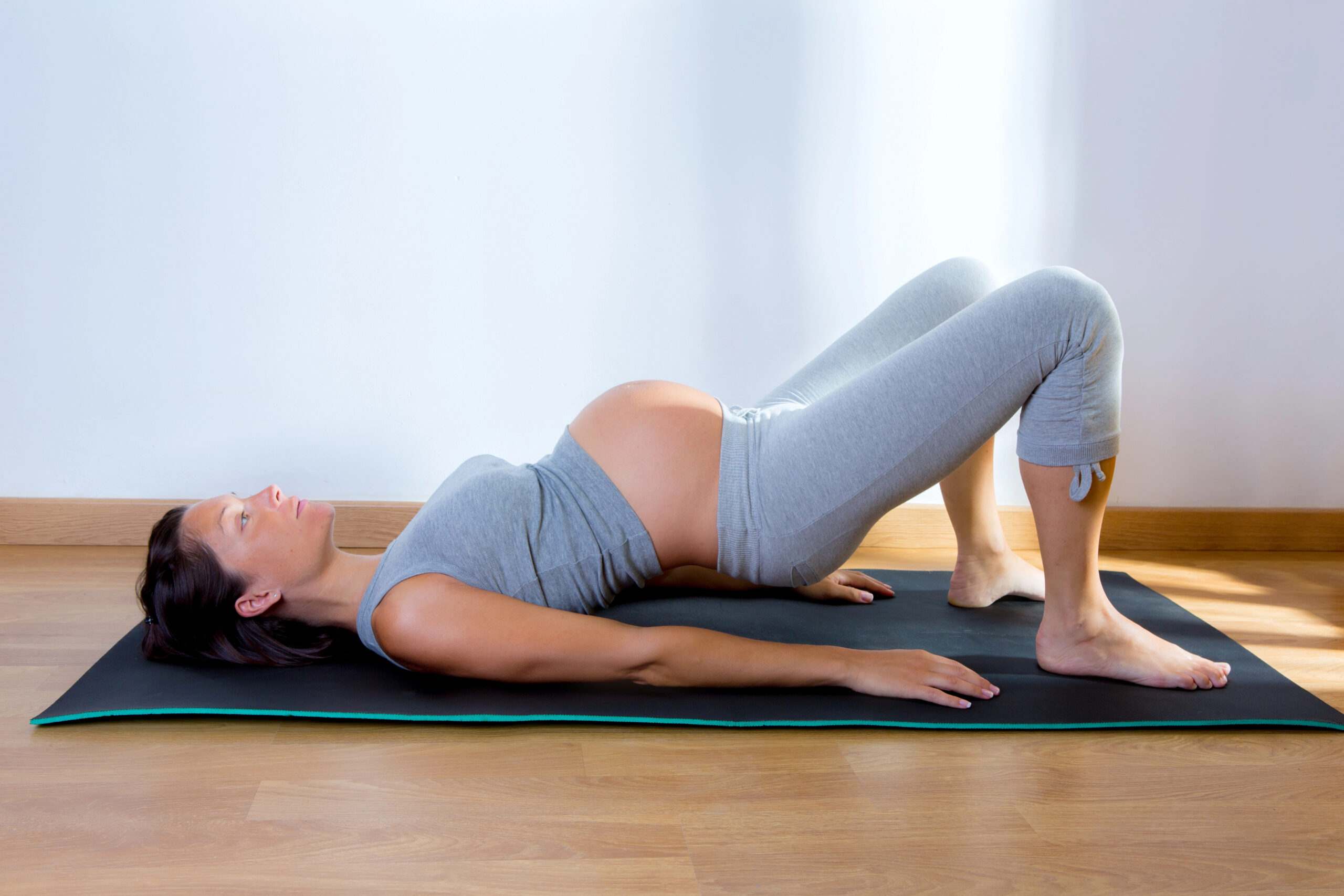
Kegels are one of the most common exercises people hear about during pregnancy, but they are not always the whole answer. Your pelvic floor does need support during pregnancy. It also needs coordination, relaxation, breathing, mobility, and the ability to respond to pressure.
Key Takeaways
- Kegels can be helpful during pregnancy when they are done correctly
- More pelvic floor tightening is not always better
- Some symptoms may mean your pelvic floor needs relaxation and coordination, not more squeezing
- A guided pelvic floor pregnancy course can help you understand what your body actually needs
The best pelvic floor plan during pregnancy is not just about strengthening. It is about learning how to contract, relax, breathe, and move with control.
Why Kegels Are Helpful but Not Always Enough
Kegels, also called pelvic floor contractions, are designed to strengthen the muscles that help support the bladder, bowel, uterus, and pelvic organs. During pregnancy, these muscles work harder as your body changes and pressure increases.
That does not mean every pregnant person should simply do more Kegels. If the pelvic floor is already tense, overactive, poorly coordinated, or difficult to relax, repeated squeezing may not address the real issue. In some cases, it may even make symptoms feel more frustrating.
A pelvic floor program should teach you how to use these muscles with your breath, core, hips, and daily movement patterns.
What the Pelvic Floor Actually Does During Pregnancy
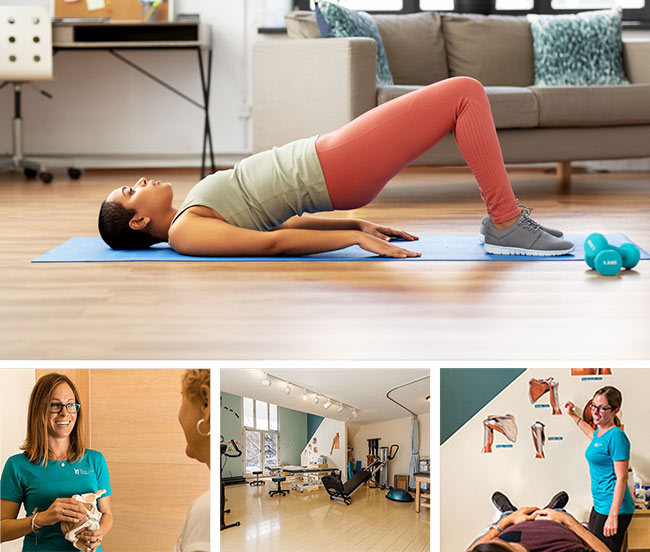
Your pelvic floor is a group of muscles that supports the organs in your pelvis and helps with bladder control, bowel control, sexual function, posture, and pressure management. During pregnancy, these muscles respond to hormonal changes, postural changes, growing abdominal weight, and shifting pressure through the core and pelvis.
That is why pelvic floor care should not be treated like a single exercise. Your body needs a system that helps the pelvic floor work with the diaphragm, deep core, hips, and spine.
When these areas work together well, it may be easier to manage symptoms like leaking, heaviness, pelvic pressure, discomfort, or uncertainty around movement.
When Kegels May Be the Right Choice
Kegels can be useful when your pelvic floor needs better strength and endurance. They may help support bladder control and pelvic organ support during pregnancy and after birth, especially when they are performed with proper technique.
Kegels may be appropriate when you can:
- Contract the pelvic floor without gripping your glutes, thighs, or abdomen
- Fully relax the pelvic floor after each contraction
- Breathe normally while performing the exercise
- Use the contraction during real-life movements, like lifting or changing positions
A good Kegel is not just a squeeze. It includes a complete release afterward.
When Kegels May Not Be the Answer
More strengthening is not always the missing piece. Some pregnant people have pelvic floor muscles that are holding too much tension or do not relax well. In that case, the goal may be to down-train, breathe, lengthen, and coordinate before adding more contractions.
Signs that you may need more than Kegels include:
- Pelvic pain or pain with intimacy
- A feeling of tightness or pressure that does not improve with rest
- Difficulty starting urination or fully emptying the bladder
- Constipation or straining
- Symptoms that feel worse after doing Kegels
- Trouble relaxing the pelvic floor after a contraction
These symptoms do not mean you did anything wrong. They simply mean your body may need a different strategy.
Not Sure Whether Kegels Are Right for You?
The pelvic floor can feel confusing during pregnancy. A structured course can help you understand when to strengthen, when to relax, and how to connect your breath, core, and pelvic floor with everyday movement.
Why Breath and Relaxation Matter as Much as Strength
Your diaphragm and pelvic floor move together. When you inhale, the pelvic floor should be able to gently lengthen. When you exhale, it should be able to respond and support you. This rhythm helps your body manage pressure during exercise, lifting, coughing, sneezing, and eventually labor and delivery.
If you only focus on tightening, you may miss an important part of pelvic floor function. Pregnancy preparation should include learning how to release tension, breathe into the ribs and abdomen, and avoid gripping through the core.
This is especially important later in pregnancy, when your body is preparing for birth and your pelvic floor needs both support and mobility.
A strong pelvic floor should also be a responsive pelvic floor.
What To Do Instead of Guessing
If you are pregnant and unsure what your pelvic floor needs, the safest next step is not to add more repetitions. It is to learn how your body is responding.
A balanced pregnancy pelvic floor routine may include:
- Breathing exercises for pressure control
- Pelvic floor contractions with full relaxation
- Gentle mobility for the hips, pelvis, and spine
- Core coordination without over-bracing
- Movement modifications for each trimester
- Strategies for labor, delivery, and postpartum recovery
This approach gives your body more complete support than Kegels alone.
Kegels vs. Pelvic Floor Coordination During Pregnancy
| Approach | Main Goal | When It May Help |
|---|---|---|
| Kegels | Strengthen pelvic floor muscles | When muscles are weak, underactive, and able to relax fully after contracting |
| Pelvic Floor Relaxation | Reduce excess tension | When symptoms include tightness, pain, difficulty relaxing, or pressure |
| Breathing and Core Coordination | Improve pressure management | When movement, lifting, coughing, or exercise increases symptoms |
| Guided Pregnancy Pelvic Floor Training | Create a complete plan | When you want trimester-specific support and less guesswork |
Strengthen
Learn how to contract the pelvic floor with control and proper technique.
Relax
Practice releasing tension so the pelvic floor can lengthen and respond.
Coordinate
Connect your breath, core, and pelvic floor during real movement.
Should You Stop Doing Kegels During Pregnancy?
Not necessarily. Many pregnant people benefit from pelvic floor strengthening. The question is whether Kegels are the right exercise for your body right now and whether you are doing them in a way that supports your symptoms and goals.
If Kegels feel comfortable, you can fully relax between contractions, and your symptoms are improving, they may be a helpful part of your routine. If they increase discomfort, pressure, pain, or tension, it may be time to shift your focus.
For the best results, pelvic floor exercises should be matched to your body, your trimester, and your symptoms.
Learn What Your Pelvic Floor Needs During Pregnancy
Kegels can be helpful, but they are not always the full answer. If you want clear guidance, practical exercises, and a better understanding of how to support your pelvic floor during pregnancy, the online pelvic floor course can help.
Move through pregnancy with more confidence, less guesswork, and a plan designed to support your changing body.
For informational purposes only.