
How to Get Out of Bed With Less Pelvic Pain During Pregnancy
Jul 29, 2026
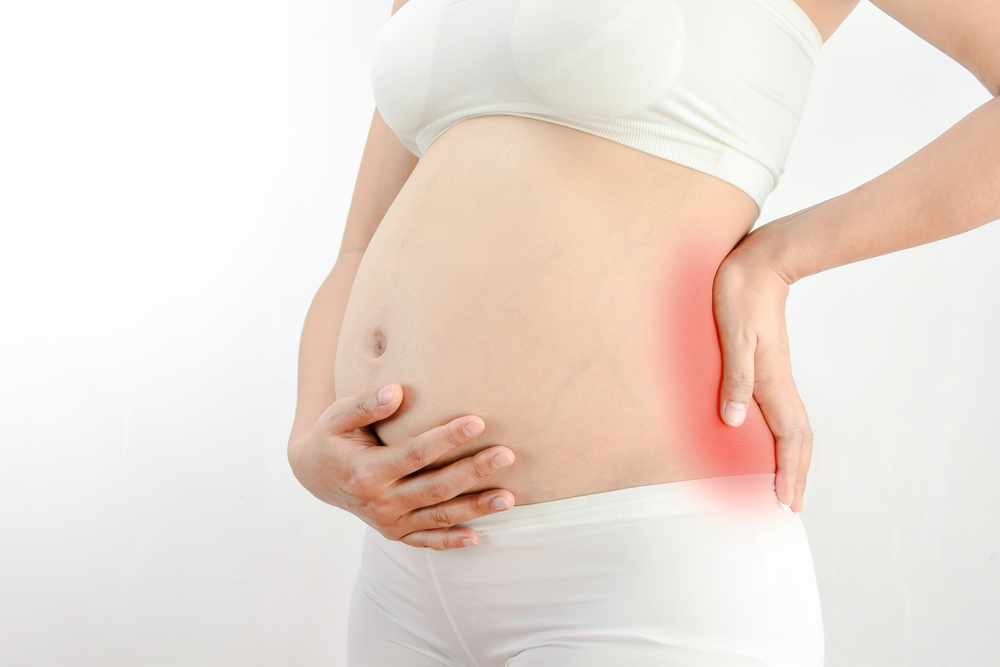
Getting out of bed during pregnancy can become one of the most uncomfortable parts of your morning. Before you even take your first step, you may feel sharp, aching, or pulling pain through your pelvis, hips, pubic bone, groin, or lower back.
Changes in posture, balance, and the weight of your growing abdomen can affect how your body moves. Learning a more supported way to roll, sit up, and stand may help reduce strain and make those first movements feel more manageable.
Key Takeaways
- Pregnancy-related pelvic pain can make rolling, sitting up, and standing uncomfortable
- Turning onto your side before sitting up may reduce twisting through the pelvis
- Using your arms and legs for support can reduce the demand on your abdomen and pelvis
- Exhaling as you move may help reduce bracing and muscle tension
- A pelvic health physical therapist can help you adapt the movement to your symptoms
Pelvic pain may be common during pregnancy, but you do not have to keep struggling through the same painful movement every morning.
Why Getting Out of Bed Can Hurt During Pregnancy
Getting out of bed requires your abdomen, pelvic floor, hips, spine, arms, and legs to work together. During pregnancy, your body must coordinate those movements while also adapting to a changing center of gravity and the increasing weight of your abdomen.
Pain may increase when your upper body begins moving before your hips and legs, when one side carries more of the effort, or when you try to sit straight up without enough support. Stiffness after resting may also make the first movement of the day feel more difficult.
Our pelvic floor online treatment course provides guided strategies for understanding how breathing, movement, and pelvic floor coordination can support everyday activities during pregnancy.
How Your Pelvis Moves When You Get Up
When you get out of bed, your upper body, pelvis, and legs must shift from a supported lying position to sitting and then standing. The movement may feel easier when those areas work together rather than pulling in different directions.
You may notice that your shoulders turn while your hips remain on the mattress, that you push mostly through one leg, or that you tense your entire body before moving. These patterns can place more demand on one side of the pelvis and make pain feel sharper or less predictable.
The goal is not to perform one perfect movement. It is to find a sequence that gives your body enough support and reduces the part of the movement that aggravates your symptoms.
Your most comfortable technique may change as your pregnancy progresses. Pay attention to what feels supported now rather than forcing one method to work every day.
How to Get Out of Bed With Less Pelvic Pain
Many people find that turning onto their side before sitting up feels more comfortable than trying to lift their upper body directly from their back.
Try this sequence:
- Bend your knees only as far as feels comfortable
- Keep your knees and ankles relatively close together
- Turn onto your side while moving your shoulders, hips, and knees in the same direction
- Bring your legs toward the edge of the bed
- Allow your legs to move off the mattress as you push up with both arms
- Exhale gently as you bring your body upright
- Pause at the edge of the bed until you feel steady
- Place both feet on the floor before standing when possible
This sequence may feel unfamiliar at first. Practice it slowly, and adjust any step that increases your pain or does not fit your current mobility.
Common Habits That May Increase Pelvic Pain
When you are tired, stiff, uncomfortable, or in a hurry, it is easy to rely on movements that place more demand on one side of your body. You may notice more discomfort when you:
- Try to sit straight up without using your arms or legs for support
- Turn your shoulders while your hips remain flat on the mattress
- Move one leg quickly while the other remains still
- Push your body sideways using one foot
- Hold your breath and brace before you begin moving
- Stand before your feet are planted and your body feels steady
You do not need to correct everything at once. Start with the part of the movement that causes the most discomfort and practice one small adjustment at a time.
Go Beyond Trial and Error
Our online course helps you understand how breathing, pelvic floor function, core coordination, and movement patterns work together so you can make more informed adjustments at home.
How Breathing Can Make Movement Easier
When you expect a movement to hurt, you may instinctively hold your breath and tighten your abdomen, pelvic floor, back, or hips. That bracing response can make your body feel rigid and increase the effort required to roll or sit up.
Take a comfortable breath before you begin moving. As you exhale, start the roll or push yourself upright without forcing a hard abdominal contraction or pelvic floor squeeze.
The goal is not to breathe in a particular way perfectly. Your breath should help the movement feel more fluid and supported rather than adding more tension.
A Morning Bed Mobility Check-In
Your pain pattern can help you identify which part of getting up needs more support. Before changing your entire routine, notice what happens during the movement:
- Where do I first feel pain when I begin to move?
- Does one side of my pelvis feel more sensitive than the other?
- Which part feels hardest: rolling, sitting up, pausing, or standing?
- Does using my arms reduce the effort or discomfort?
- Do I feel more pain when one leg moves before the other?
- Am I holding my breath or tightening before I move?
- Does the discomfort improve after I sit and pause for a moment?
Choose one pattern to work on for several mornings. A small, repeatable change may be easier to use consistently than a completely new routine.
When Pelvic Pain May Need More Support
Talk with your healthcare provider or a pelvic health physical therapist if you notice:
- Severe pain when rolling, sitting up, or standing
- Pain that continues or increases throughout the day
- Difficulty walking or climbing stairs
- Pain when standing on one leg
- Pelvic pain that repeatedly interrupts your sleep
- Symptoms that continue despite changing how you move
- Pain that limits work, exercise, caregiving, or other daily activities
Contact your obstetric provider promptly if pelvic pain occurs with vaginal bleeding, leaking fluid, fever, painful urination, regular contractions, dizziness, sudden weakness, new numbness, or significant swelling in one leg. You should also contact your provider about reduced fetal movement once you have begun regularly feeling your baby move.
Strategies for Easier Bed Mobility
| Situation | What May Increase Discomfort | Strategy to Try |
|---|---|---|
| Rolling | Turning your upper body before your hips and legs | Guide your shoulders, hips, and knees in the same direction |
| Sitting Up | Trying to lift your body without enough arm or leg support | Let your legs move off the bed as you push up with both arms |
| Breathing | Holding your breath or tightening your entire body | Begin a relaxed exhale as you roll or sit up |
| Standing | Rising before your feet and balance feel secure | Pause, place both feet on the floor, and stand when you feel steady |
| Morning Stiffness | Moving quickly into lifting, stairs, or other demanding activities | Give your body time to adjust before beginning larger tasks |
| Dressing | Balancing on one leg while your pelvis is already sensitive | Sit while putting on pants, socks, and shoes |
Notice
Identify which part of getting up causes the greatest increase in pain or effort.
Adjust
Use support, breathing, and coordinated movement to change that part of the sequence.
Practice
Repeat one manageable adjustment until it begins to feel more natural in your morning routine.
How Physical Therapy Can Help With Bed Mobility
A pelvic health physical therapist can identify exactly where your movement becomes painful or difficult. Your assessment may include how you roll, sit up, stand, breathe, transfer weight, and coordinate your abdominal and pelvic floor muscles.
Your physical therapist can then adapt the movement to your symptoms, mobility, bed height, stage of pregnancy, and daily routine. Recommendations may include positioning changes, breathing strategies, individualized exercise, manual therapy, activity pacing, or pelvic support so you are not left to figure everything out through trial and error.
Make Getting Out of Bed Feel More Manageable
You do not have to begin every morning by bracing for the same painful movement. Learning how to coordinate your breathing, body position, and pelvic floor can help you build a routine that feels more supported.
Explore our online pelvic floor treatment course for guided, practical strategies you can begin using at home during pregnancy and beyond.
For informational purposes only.