
How to Reduce Pelvic Pressure While Working at a Desk
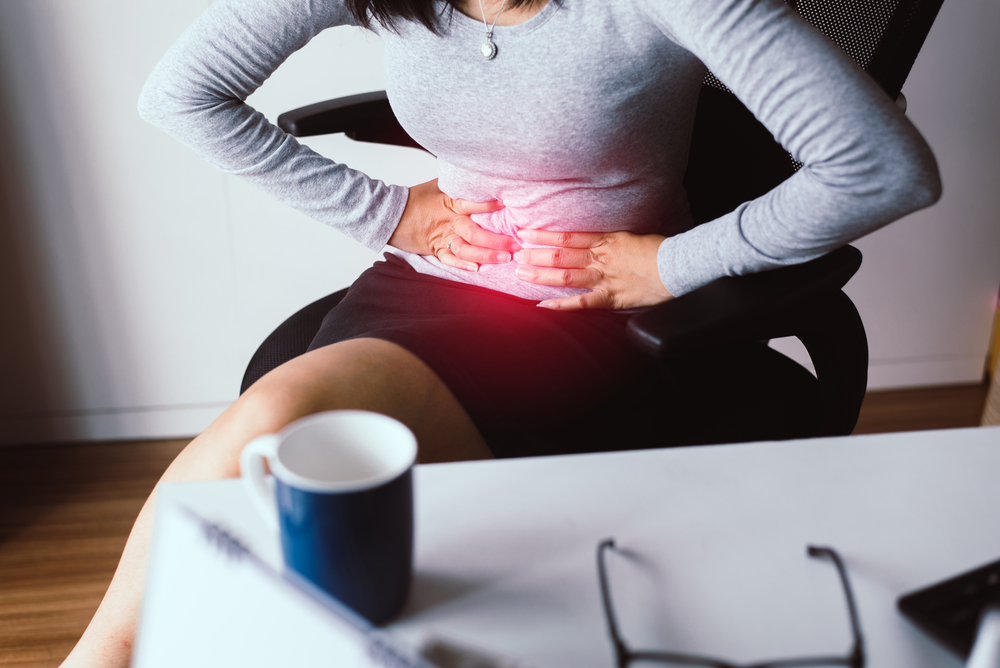
Spending hours at a desk can leave you with more than a stiff back or sore shoulders. For some people, prolonged sitting also causes pelvic pressure, aching, or tightness that becomes more uncomfortable throughout the workday.
While changing your chair or adjusting your posture may help, pelvic pressure can involve more than your workstation. Muscle tension, pelvic floor dysfunction, and other conditions may contribute. Understanding these factors can help you find practical ways to improve comfort.
Key Takeaways
- Prolonged sitting can aggravate pelvic discomfort, particularly when muscle tension or pelvic floor symptoms are present.
- Proper workstation positioning and adjustable seating may improve sitting comfort.
- Regular movement breaks can help reduce stiffness and sustained pressure on sensitive areas.
- Breathing and pelvic floor relaxation exercises may help when excessive muscle tension contributes to symptoms.
- Persistent pelvic pressure may require pelvic floor assessment rather than ergonomic adjustments alone.
Reducing pelvic pressure at work involves comfortable seating, regular movement, and understanding how your pelvic floor responds to daily activity.
Why Do You Feel Pelvic Pressure While Sitting?
Pelvic pressure can feel like aching around the sitting bones, tailbone discomfort, muscle tightness, or heaviness deeper within the pelvis. These sensations may have different causes, and prolonged sitting can make existing symptoms more noticeable.
Common contributing factors include:
- Prolonged sitting: Remaining in one position can increase discomfort in sensitive muscles and tissues.
- Pelvic floor muscle tension: Muscles that have difficulty relaxing may cause aching, tightness, or pressure.
- Workstation positioning: Poorly fitting chairs and desks can increase strain through the hips and lower back.
- Pregnancy and postpartum changes: Changes in pelvic floor demands, posture, and pelvic organ support may contribute to discomfort.
- Pelvic organ prolapse: Changes in pelvic organ support can cause heaviness, fullness, or vaginal pressure.
- Other health conditions: Bladder, bowel, reproductive, or nerve-related conditions may also contribute.
Your pelvic floor muscles support the bladder, bowel, and reproductive organs. They also work with your diaphragm and abdominal muscles during breathing and movement. When these muscles become overly tense, weak, or poorly coordinated, pelvic symptoms can develop.
Because pelvic pressure has several possible causes, recognizing where and when you experience discomfort is more useful than assuming your chair is responsible.
Pressure around the sitting bones or tailbone differs from internal pelvic heaviness. These symptoms may require different approaches.
How Should You Set Up Your Desk for Better Pelvic Comfort?
A comfortable workstation supports your body without forcing you into one rigid position. Small adjustments to chair height, lumbar support, and desk positioning can help reduce unnecessary strain.
| Workstation Feature | Recommended Adjustment |
|---|---|
| Chair height | Keep your feet flat on the floor or supported by a footrest. |
| Hip and knee position | Maintain comfortable joint angles without forcing a particular posture. |
| Lumbar support | Support the natural curve of your lower back. |
| Seat depth | Leave a small space between the seat edge and the backs of your knees. |
| Armrests | Support your forearms while allowing your shoulders to relax. |
| Monitor and keyboard | Keep the monitor near eye level and your keyboard within easy reach. |
These recommendations provide a starting point rather than a fixed sitting position. Your workstation should allow you to shift, recline, and change positions comfortably throughout the day.
Can an Ergonomic Chair Help With Pelvic Pressure?
An ergonomic chair can improve sitting comfort by allowing you to adjust how your body is supported. Features such as lumbar support, seat height adjustments, and reclining options help accommodate different working positions.
However, ergonomic seating does not directly treat pelvic floor dysfunction. Its primary benefit is reducing unnecessary postural strain and helping you remain comfortable during desk work.
If your current chair offers limited adjustments, choosing a more adaptable option may help improve your workstation setup. Regardless of the chair you use, changing positions regularly remains important.
Find a Chair That Supports Your Workday
PT Effect features ergonomic office chairs with adjustable support options to accommodate different sitting positions and workspaces.
How Often Should You Take Breaks From Sitting?
Even with a supportive chair, sitting for extended periods can contribute to stiffness and discomfort. Regular movement breaks allow your muscles and joints to change positions and reduce prolonged contact pressure.
As a starting point, consider standing or changing positions approximately every 30 minutes. Short walks, gentle stretches, or simply moving away from your desk for a few minutes can help.
Pay attention to when symptoms develop. If pelvic pressure increases after a certain amount of sitting, try moving sooner rather than waiting until discomfort becomes significant.
What Exercises Can Help Relieve Pelvic Tension at Work?
Gentle breathing and mobility exercises may help when muscle tension contributes to discomfort. Try these simple movements during your workday.
Diaphragmatic Breathing
Sit comfortably with your feet supported. Inhale slowly, allowing your rib cage and abdomen to expand naturally. Exhale without forcefully tightening your pelvic floor or abdominal muscles. Repeat for several comfortable breaths.
Seated Pelvic Tilts
With your feet flat on the floor, gently rock your pelvis forward and backward. Allow your lower back to move naturally without forcing a large movement. Repeat several times.
Standing Hip Flexor Stretch
Stand near a stable surface and step one foot backward. Gently shift your weight forward until you feel a comfortable stretch near the front of your back hip. Hold briefly, then switch sides.
Short Walking Breaks
Walk around your workspace at a comfortable pace for a few minutes. This simple change in position can help interrupt prolonged sitting.
If pelvic floor muscles are already excessively tense, repeated strengthening exercises such as Kegels may not be appropriate. Learning to relax and coordinate these muscles can be equally important.
How Can Pelvic Floor Education Help?
Workstation adjustments and movement breaks can improve sitting comfort, but they may not address underlying pelvic floor dysfunction. Your pelvic floor muscles must coordinate with your breathing, abdominal muscles, and surrounding structures during everyday activities.
Some individuals need to improve pelvic floor strength or endurance. Others benefit from learning how to relax muscles that remain excessively tense. Understanding the difference can help you choose more appropriate exercises.
PT Effect’s Pelvic Floor Online Treatment Course provides structured education and guided exercises addressing pelvic pressure, tightness, breathing, and muscle coordination.
Learn How Your Pelvic Floor Works
Developed by pelvic health physical therapist Dr. Allison McKay, PT Effect’s online course includes educational lessons and 28 guided exercise videos. Learn practical strategies for understanding pelvic floor function and improving coordination.
When Should You Seek Help for Pelvic Pressure?
Persistent pelvic pressure is not always related to sitting habits. Consider an evaluation if you experience pelvic heaviness, urinary leakage, difficulty emptying your bladder, constipation, or discomfort that repeatedly interferes with daily activities.
A pelvic health physical therapist can assess muscle function, breathing, movement, and other factors contributing to symptoms. Treatment may involve strengthening, relaxation, coordination exercises, or other individualized strategies.
PT Effect provides pelvic floor physical therapy for people experiencing pelvic floor dysfunction. Sudden severe pelvic pain, significant bleeding, fever, or an inability to urinate requires prompt medical attention.
Support Your Pelvic Floor Beyond Your Workstation
Comfortable seating and regular movement can make desk work easier, but pelvic pressure may involve more than posture. Understanding how your pelvic floor functions can help you take a more informed approach to managing symptoms.
PT Effect’s Pelvic Floor Online Treatment Course offers guided exercises and education to help you learn about pelvic floor coordination, muscle tension, and movement.
For informational purposes only.