
How to Support Your Pelvic Floor for a Stronger, More Comfortable Pregnancy
Mar 17, 2026

Pregnancy brings incredible changes to the body, and many of those changes affect how your body moves, stabilizes, and manages pressure. While some discomfort can happen along the way, understanding how your body works—especially the pelvic floor—can make a significant difference in how supported and confident you feel throughout pregnancy.
Key Takeaways
- Pelvic floor health plays a critical role in movement and stability during pregnancy
- Breathing, core, and pelvic floor coordination support your changing body
- Targeted exercises can improve comfort and confidence throughout pregnancy
- Guided programs help you safely adapt to each trimester
Learning how the pelvic floor, breathing, and core work together can help you feel more supported throughout pregnancy.
Understanding the Role of the Pelvic Floor During Pregnancy
The pelvic floor is a group of muscles that supports the bladder, uterus, and bowel. It also plays a major role in breathing, core stability, and movement. When these muscles are functioning well, they help your body adapt more efficiently to the physical demands of pregnancy.
If you want a clearer understanding of how these muscles work, this pelvic floor guide offers a helpful overview of the connection between pelvic health, movement, and pregnancy.
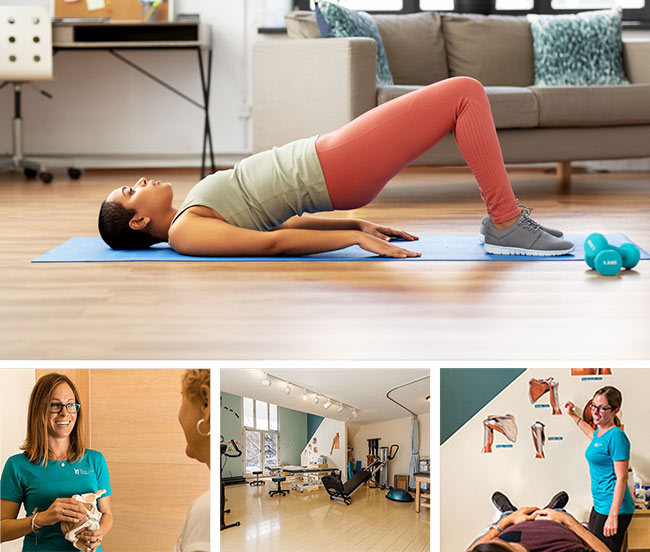
Why Pelvic Floor Health Matters During Pregnancy
Pregnancy changes how your body manages pressure, posture, and stability. As the baby grows, the pelvic floor adapts alongside the rest of your body to support these changes.
These muscles work closely with the diaphragm and deep abdominal muscles. Together, they create a system that helps regulate pressure, maintain balance, and support efficient movement.
When this system is coordinated, your body can respond more effectively to everyday demands like walking, lifting, or exercising.
How Your Body Changes Throughout Pregnancy and Affects the Pelvic Floor
As pregnancy progresses, your body takes on more load and adapts to new movement patterns. You may notice changes in how your body feels or responds to activity. These changes are common and often reflect how your muscles are working together as demands increase.
- Changes in posture or balance
- Increased pressure through the pelvis
- Differences in how your core engages
- Fatigue with certain movements
- New awareness of how your body moves
These changes are often signals that your body is adapting—not necessarily that something is wrong.
How Physical Therapy Supports Pelvic Floor Function During Pregnancy
Physical therapy provides a structured way to better understand how your body moves and how to support it through each stage of pregnancy.
A guided approach can help you:
- Improve breathing coordination
- Develop stronger core support
- Build awareness of pelvic floor function
- Move with more control and confidence
- Adapt exercises to your changing body
This type of support can make a meaningful difference in how you experience pregnancy day to day.
Want Expert Guidance Through Every Trimester?
Learn how to move, strengthen, and support your body with step-by-step instruction designed for pregnancy.
How Your Pelvic Floor Needs Change Across Pregnancy Trimesters
Each trimester brings different physical demands. A thoughtful approach to movement adapts with those changes.
| Trimester | Main Focus | Why It Matters |
|---|---|---|
| First Trimester | Awareness, breathing, and foundation-building | Helps your body build support early in pregnancy |
| Second Trimester | Strength, posture, and stability | Supports your body as physical demands increase |
| Third Trimester | Mobility and delivery preparation | Helps you stay comfortable and move with more confidence |
First Trimester
Focus on awareness, breathing, and building a strong foundation.
Second Trimester
Support posture changes and develop strength and stability.
Third Trimester
Maintain mobility and prepare your body for delivery.
Exercises to Strengthen and Support the Pelvic Floor During Pregnancy
Exercise during pregnancy works best when it focuses on control, coordination, and gradual progression.
- Breathing coordination
- Transverse abdominis activation
- Pelvic floor awareness and control
- Movement quality
- Stability through changing demands
Effective pregnancy exercise should feel supportive, not overwhelming.
What a More Supported Pregnancy Can Look Like With Strong Pelvic Floor Health
Understanding how your body works allows you to move with more confidence, less uncertainty, and greater support throughout pregnancy.
For informational purposes only.