
How Pregnancy Changes the Way Your Core Functions
Jul 29, 2026
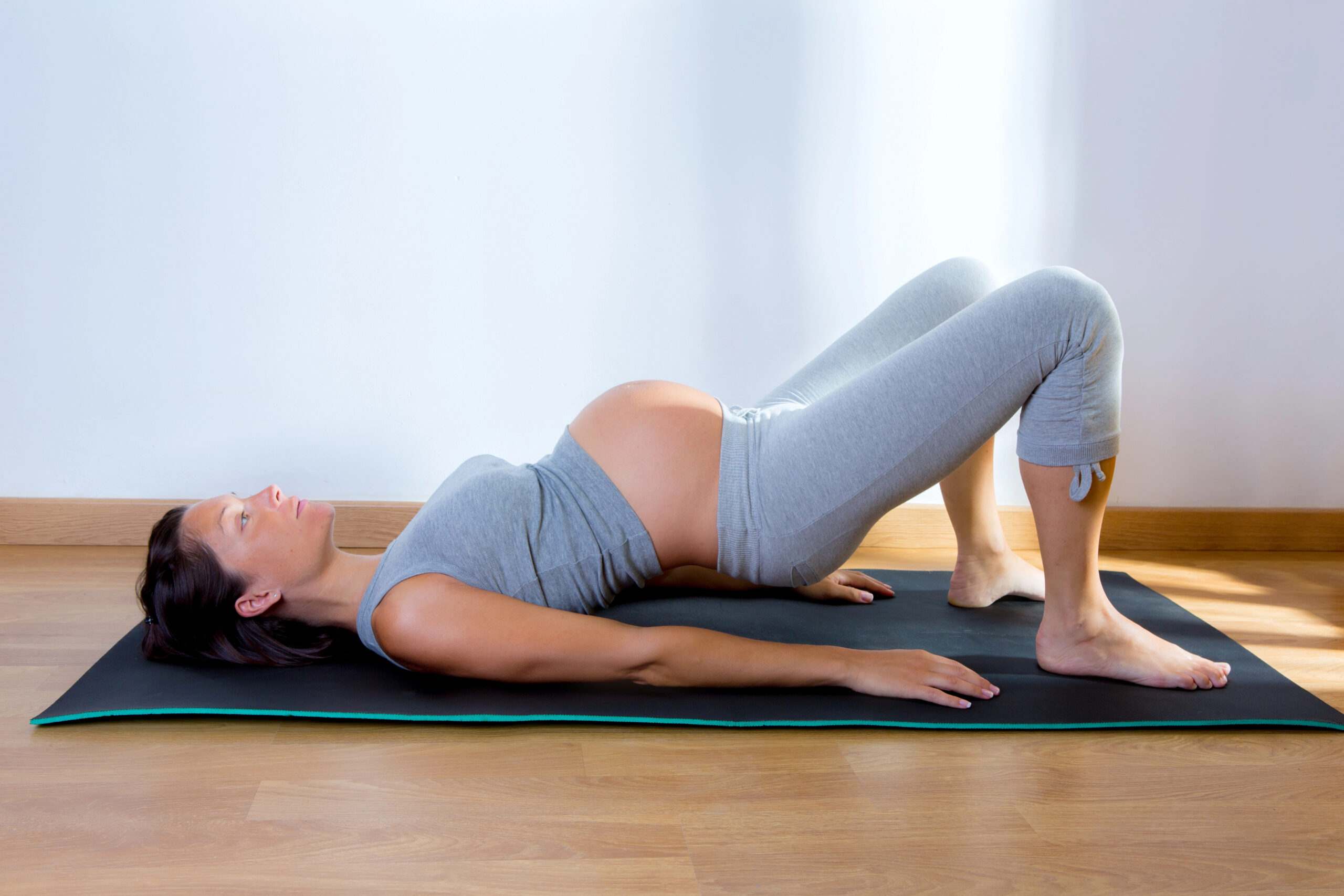
Pregnancy changes more than the appearance of your abdomen. As your baby grows, you may notice that standing, lifting, rolling over, or even taking a deep breath feels different. These changes happen because your abdominal muscles, posture, balance, breathing, and pelvic floor are all adapting together.
Your core includes much more than your abdominal muscles. Your diaphragm, pelvic floor, deep abdominal muscles, back muscles, and hips work together to manage pressure, support movement, and help you stay balanced throughout the day.
Key Takeaways
- Pregnancy changes how your core responds during breathing, lifting, standing, and position changes
- Your diaphragm, pelvic floor, abdominal muscles, back muscles, and hips work as one connected system
- Holding your breath or constantly tightening your abdomen may make movement feel harder
- Pressure, heaviness, back fatigue, or difficulty relaxing may point to a need for better coordination
- A pelvic health physical therapist can help you find strategies that fit your symptoms and stage of pregnancy
Your core does not stop working during pregnancy. It adapts to support your changing body.
Your Core Does More Than You Think
Many people use the word core to mean only the abdominal muscles, but your core functions more like a supportive cylinder that responds every time you breathe or move.
Your diaphragm forms the top, your pelvic floor forms the bottom, your abdominal muscles wrap around the front and sides, and the muscles of your back and hips help support you from behind.
When these areas coordinate well, they help you stand, lift, walk, roll over, change positions, and manage pressure without relying on constant bracing.
Our pelvic floor online treatment course can help you understand how breathing, movement, and pelvic floor coordination support your changing core during pregnancy.
How Pregnancy Changes Your Core
As your uterus expands, your abdominal muscles lengthen to create space for your growing baby. This normal change can affect how those muscles contribute during activities such as standing, lifting, coughing, or rolling over.
Your center of gravity also shifts forward, which changes how your back, hips, and abdominal muscles help you balance. You may feel more fatigue through your lower back or notice that movements require more time and effort than they did earlier in pregnancy.
At the same time, your pelvic floor supports increasing weight and pressure from above. These are normal pregnancy adaptations, but you may still benefit from learning new ways to breathe, move, and manage pressure as your body changes.
Your core may work differently during pregnancy, but different does not mean weak, damaged, or ineffective.
Your Core Works as a Coordinated System
No single muscle stabilizes your body by itself. Your diaphragm, pelvic floor, abdominal muscles, back muscles, and hips must adjust together based on whether you are resting, standing, lifting, walking, or changing positions.
Feeling unstable or uncomfortable does not always mean you need to tighten harder or strengthen one muscle in isolation. In some cases, excessive tension, poor timing, fatigue, or difficulty relaxing may be part of the problem.
Your core should be able to respond when effort is needed and relax when it is not. Better coordination often matters more than holding your abdomen inward or keeping your pelvic floor squeezed throughout the day.
- Your diaphragm helps guide breathing and pressure changes
- Your pelvic floor supports the organs within your pelvis and responds to pressure
- Your abdominal muscles help transfer force during movement
- Your back and hip muscles help you maintain balance and control
Why Everyday Movements Feel Different During Pregnancy
As your abdomen grows, more of your body weight is carried in front of you and your balance changes. Movements that once happened automatically may begin to feel slower, heavier, or less steady.
You may notice this when rolling over in bed, getting out of bed, standing from a chair, climbing stairs, lifting a child, carrying groceries, or getting into a vehicle. You may also find yourself holding your breath, leaning through your back, or shifting more weight onto one side.
These compensations can increase effort and discomfort. Learning how to coordinate your breath, trunk, pelvis, and legs may help everyday movements feel more supported and less strained.
Learn Practical Ways to Support Your Changing Core
Our online course gives you guided strategies for breathing, pressure management, pelvic floor awareness, and movement so you can spend less time guessing what your body needs.
How Breathing Supports Core Function
Breathing creates natural movement throughout your core. When you inhale, your ribs expand, your diaphragm lowers, and your pelvic floor responds to the change in pressure. When you exhale, those areas return without requiring a forceful squeeze.
This coordination helps your body manage pressure when you stand, lift, walk, cough, or change positions. You may notice that movement feels easier when you exhale through the effort instead of holding your breath.
Try to avoid constantly pulling your abdomen inward or tightening your pelvic floor. Your breath should allow your ribs and abdomen to move while helping your body respond to the activity in front of you.
Signs Your Core May Need Better Coordination
You may benefit from different breathing, movement, or pressure-management strategies if you notice:
- You hold your breath before standing, lifting, coughing, or rolling over
- You brace your abdomen before movements that once felt automatic
- Your lower back or hips become tired or sore during routine activities
- You feel pelvic pressure, heaviness, or urinary leakage
- You experience pelvic pain when changing positions
- Your abdomen feels difficult to relax throughout the day
- You struggle to coordinate an exhale with effort
These signs do not automatically mean your core is weak. They may indicate that your muscles need different timing, relaxation, support, or coordination.
When to Seek Additional Support
Talk with your healthcare provider or a pelvic health physical therapist if pain, pressure, weakness, leakage, or difficulty moving begins to interfere with sleep, exercise, work, caregiving, or other daily activities.
You may also benefit from an evaluation if you experience persistent lower back pain, pelvic girdle pain, pelvic heaviness, difficulty taking a comfortable breath, abdominal doming during effort, or pain when changing positions.
Contact your obstetric provider promptly if your symptoms include vaginal bleeding, leaking fluid, fever, regular contractions, severe pain, sudden weakness, new numbness, significant one-sided leg swelling, or reduced fetal movement after you have begun regularly feeling movement.
How Pregnancy Changes Core Function
| Pregnancy Change | How It Affects Your Core | Strategy to Try |
|---|---|---|
| Growing Uterus | Lengthens the abdominal muscles and changes how they generate force | Exhale during effort instead of tightening your abdomen all day |
| Changing Center of Gravity | Shifts your balance and may increase work through the back and hips | Slow down position changes and use support when needed |
| Increased Pelvic Pressure | Places greater demand on the pelvic floor during daily activity | Avoid unnecessary breath holding, straining, or constant squeezing |
| Rib Cage Changes | Changes how the diaphragm and ribs move during breathing | Allow your breath to expand into the sides and back of your ribs |
| Increased Joint Mobility | May change how your muscles control the pelvis and spine | Modify painful movements instead of forcing a larger range |
| Growing Baby | Increases the effort required for lifting, carrying, and position changes | Pace demanding tasks and use your arms, legs, or nearby support |
Notice
Pay attention to pressure, bracing, fatigue, heaviness, or discomfort during everyday movement.
Practice
Use guided breathing and movement strategies to improve how your core responds to effort.
Adapt
Adjust your approach as your body, symptoms, and movement needs change throughout pregnancy.
How Physical Therapy Can Help
A pelvic health physical therapist can assess how your diaphragm, abdominal muscles, pelvic floor, back, and hips coordinate during breathing and everyday movement.
Your assessment can help determine whether tension, weakness, fatigue, poor timing, difficulty relaxing, or painful movement patterns are contributing to your symptoms. Recommendations may include breathing strategies, movement modifications, pressure-management techniques, individualized exercise, manual therapy, or activity pacing.
The goal is not to force your body to move exactly as it did before pregnancy. Treatment can help you find practical ways to stand, lift, breathe, and change positions with less discomfort and less trial and error.
Stop Guessing What Your Core Needs
Your core is already adapting to pregnancy. Learning how your breathing, abdominal muscles, pelvic floor, back, and hips work together can help you respond to those changes with more comfortable movement.
Explore our online pelvic floor treatment course for guided strategies you can use at home during pregnancy and as you prepare for postpartum recovery.
For informational purposes only.