
The Connection Between Breathing and Pelvic Floor Function
Apr 27, 2026
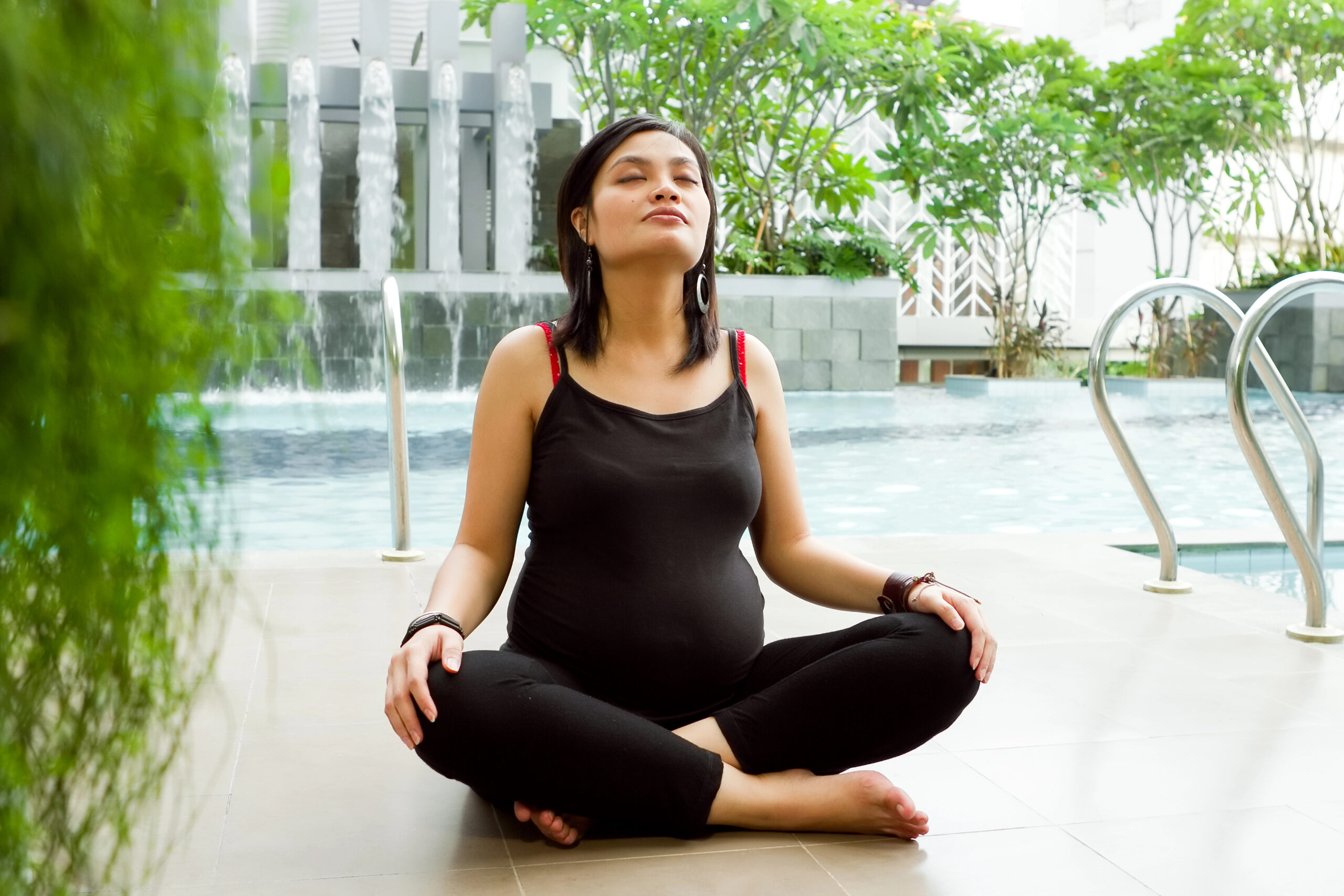
Breathing may not be the first thing you think about when you hear the words pelvic floor health. During pregnancy, however, the way you breathe can affect how your core, diaphragm, and pelvic floor work together.
As your baby grows, your body manages more pressure through the abdomen and pelvis. Learning how to breathe with better coordination can help reduce unnecessary tension, support movement, and prepare your body for pregnancy, labor, delivery, and recovery.
Key Takeaways
- Your diaphragm and pelvic floor are designed to move together
- Breath-holding can increase pressure on the pelvic floor
- Good breathing mechanics can support core control during pregnancy
- Pelvic floor health is not only about strengthening. Relaxation and coordination matter too
- A structured pelvic floor course can help you learn these skills safely and confidently
Breathing is one of the simplest places to start when you want to improve pelvic floor function during pregnancy.
Why Breathing Matters for Pelvic Floor Health
The pelvic floor is part of a larger pressure-management system. It works with the diaphragm, deep core muscles, abdominal wall, hips, and spine. When this system coordinates well, your body can better manage everyday movements like lifting, standing, walking, exercising, and changing positions.
During pregnancy, this coordination becomes even more important. Your abdomen is expanding, posture is changing, and your pelvic floor is supporting more load. If breathing becomes shallow, tense, or restricted, your pelvic floor may have a harder time responding well to pressure changes.
If you want guided support, the pelvic floor online treatment course can help you understand how breathing, movement, and pelvic floor function work together during pregnancy.
How the Diaphragm and Pelvic Floor Work Together
The diaphragm is your main breathing muscle. It sits under the rib cage. The pelvic floor sits at the base of the pelvis. These two areas may seem far apart, but they are closely connected through pressure, posture, and core coordination.
When you inhale, the diaphragm moves downward as the rib cage expands. Ideally, the pelvic floor can gently respond to that pressure change by softening and lengthening. When you exhale, the diaphragm rises and the pelvic floor can naturally recoil upward.
This does not mean every breath should feel forced or exaggerated. The goal is coordinated movement. You want your breath, core, and pelvic floor to share the work instead of creating extra tension in one area.
Think of breathing as a coordination tool, not just a relaxation tool.
What Happens When You Hold Your Breath?
Breath-holding is common during exercise, lifting, bending, or getting up from a chair. Many people do it without realizing it. During pregnancy, this habit can increase pressure through the abdomen and down toward the pelvic floor.
This does not mean pressure is always bad. Your body needs pressure to move and create support. The problem happens when pressure is not managed well. If you repeatedly hold your breath or brace too hard, your pelvic floor may have to absorb more force than necessary.
You may notice this during movements like:
- Lifting groceries, laundry, or a toddler
- Standing up from a couch or low chair
- Rolling over in bed
- Doing squats, lunges, or core exercises
- Coughing, sneezing, or laughing
Learning to exhale during effort can help your body manage pressure more efficiently.
Why Pelvic Floor Health Is Not Just About Kegels
Many pregnant patients hear about Kegels and assume pelvic floor health is only about squeezing. Strength can be helpful, but it is only one part of the picture.
Your pelvic floor also needs to relax, lengthen, and coordinate with your breath. A pelvic floor that is always tense may not function well, even if it feels strong. A pelvic floor that cannot contract well may also struggle with support. The goal is balance.
Breathing helps you build awareness of both sides of pelvic floor function. You can learn when to gently engage, when to release, and how to coordinate that response with movement.
Want Help Learning What Your Pelvic Floor Actually Needs?
Pregnancy can make pelvic floor advice feel confusing. The online course gives you a structured way to learn breathing, core coordination, pelvic floor awareness, and safe movement strategies from home.
How Breathing Can Support Pregnancy Movement
Breathing is useful because it connects to almost everything you do during the day. You do not only need it during formal exercise. You need it when you stand, walk, lift, bend, stretch, and rest.
During pregnancy, practicing breath coordination can help you move with more control. For example, you might inhale to prepare, then exhale as you stand up, lift, or move through the harder part of an exercise. This can reduce the urge to hold your breath or push pressure downward.
This approach can be especially helpful when paired with gentle core and pelvic floor training. Instead of trying to “tighten everything,” you learn how to create support without over-bracing.
A Simple Breathing Check-In During Pregnancy
This simple check-in can help you begin noticing how your breath and pelvic floor feel. It should feel gentle and comfortable. Stop if you feel pain, dizziness, pressure, or discomfort.
- Sit or lie in a comfortable supported position
- Place one hand on your lower ribs and one hand on your belly
- Inhale gently and let the ribs expand
- Notice whether your belly, ribs, and pelvic floor can soften
- Exhale slowly and feel the body naturally recoil
- Avoid forcing a pelvic floor squeeze with every breath
This is not about taking the biggest breath possible. It is about noticing whether your body can move with less tension.
Signs Your Pelvic Floor May Need More Support
Some pelvic floor changes are common during pregnancy, but symptoms are still worth paying attention to. They can be signs that your body needs a more specific plan.
You may benefit from pelvic floor guidance if you notice:
- Leaking urine when coughing, sneezing, laughing, or exercising
- Pelvic heaviness, pressure, or bulging sensations
- Pain in the pelvis, hips, low back, or tailbone
- Difficulty relaxing the pelvic floor
- Pain with intimacy
- A feeling of gripping or tension through the abdomen or pelvis
If symptoms are new, worsening, or interfering with daily life, it is a good idea to speak with your healthcare provider or a pelvic floor physical therapist.
Breathing and Pelvic Floor Function Throughout Pregnancy
| Pregnancy Stage | Breathing Focus | Pelvic Floor Goal |
|---|---|---|
| Early Pregnancy | Build awareness of rib, belly, and pelvic floor movement | Learn how to gently engage and relax without forcing |
| Mid Pregnancy | Use exhale with effort during daily movement and exercise | Improve pressure management as posture and load change |
| Late Pregnancy | Practice calming, coordinated breathing for movement and preparation | Support relaxation, mobility, and confidence before birth |
Awareness
Learn how your breath, ribs, core, and pelvic floor move together.
Coordination
Practice using your breath to support movement and reduce unnecessary pressure.
Confidence
Build a plan that helps you feel more prepared during pregnancy and beyond.
Why a Guided Pelvic Floor Course Can Help
It can be hard to know whether you are breathing correctly, doing pelvic floor exercises well, or choosing the right movements for your stage of pregnancy. That is why a structured course can be so helpful.
Instead of guessing, you can follow a plan that teaches you how to connect breathing, pelvic floor awareness, core support, and safe pregnancy movement. This helps you build skills you can use during workouts, daily activities, labor preparation, and postpartum recovery.
The goal is not perfection. The goal is helping your body feel more supported as it changes.
Learn How to Support Your Breathing, Core, and Pelvic Floor During Pregnancy
Your pelvic floor does not work alone. When you understand how breathing and movement affect pelvic floor function, it becomes easier to support your body with confidence.
Start the online pelvic floor course to learn practical strategies you can use throughout pregnancy and beyond.
For informational purposes only.