
When Should You Use a Pregnancy Support Belt for Pelvic Pain?
Apr 17, 2026
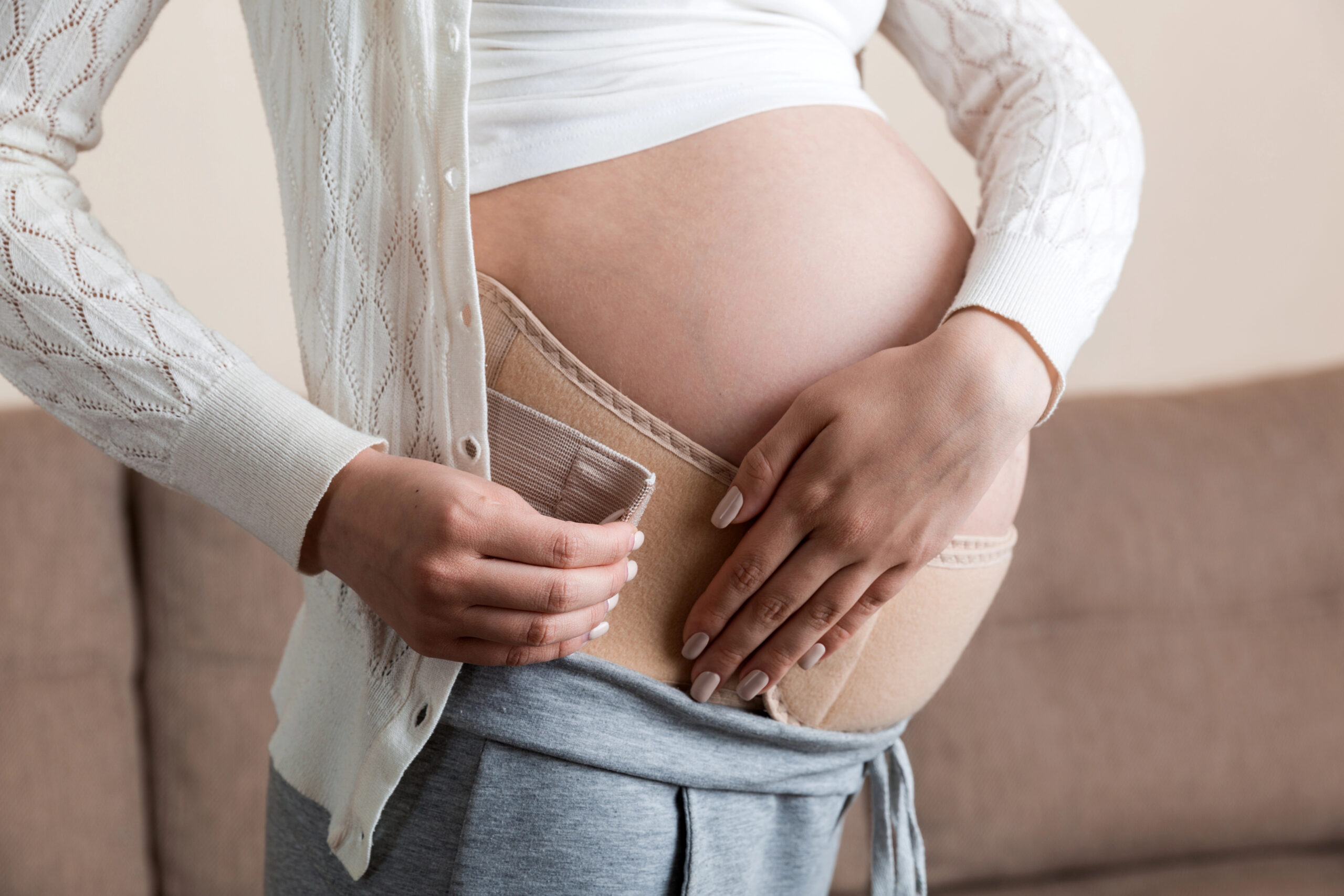
Pelvic pain during pregnancy can make simple movements feel harder than they should. Walking, rolling over in bed, standing from a chair, climbing stairs, or getting through a workday may suddenly take more effort.
A pregnancy support belt can be helpful for some people, but it works best when it is used at the right time, fitted correctly, and paired with the right movement strategy.
Key Takeaways
- A pregnancy support belt may help reduce pelvic, low back, hip, or abdominal strain during daily activity.
- Support belts are often most useful during the second and third trimesters, when posture, pressure, and load change more noticeably.
- A belt should feel supportive, not restrictive, painful, or uncomfortable.
- Support belts should not replace pelvic floor, core, breathing, and movement training.
The best time to use a pregnancy support belt is when pelvic pain is limiting movement, but the belt should be part of a larger plan for strength, stability, and pelvic floor support.
Support Your Pelvis Without Guessing What Your Body Needs
A pregnancy support belt can provide external support around the abdomen, hips, and pelvis. This may help reduce pressure during movement, especially when your bump is growing and your pelvis is managing more load.
However, a belt is only one tool. If you are dealing with pelvic pain during pregnancy, it is also important to learn how your breathing, core, posture, hips, and pelvic floor work together.
What Is a Pregnancy Support Belt?
A pregnancy support belt is a wearable support garment that wraps around the lower abdomen, hips, or pelvis. Some belts sit under the belly to help lift and support the abdomen. Others are designed to provide more compression around the pelvic joints.
People often use them for pregnancy-related pelvic girdle pain, low back pain, hip discomfort, pubic symphysis pain, or a heavy pulling sensation through the lower belly.
The goal is not to hold your body together or force perfect posture. The goal is to give your body extra support while you continue moving in a way that feels safer and more manageable.
When Should You Try a Support Belt for Pelvic Pain?
You may want to try a pregnancy support belt when pelvic pain starts interfering with daily activities. This often happens as your belly grows, your center of gravity shifts, and your pelvis has to manage more pressure.
A belt may be worth considering if you notice pain or pressure during:
- Walking or standing for longer periods
- Climbing stairs
- Getting in and out of the car
- Rolling over in bed
- Exercise or prenatal movement
- Work tasks that require standing, lifting, or repeated movement
If the belt helps you move with less pain, it may be a useful short-term support tool. If pain continues to increase, it is time to look beyond the belt and address how your body is moving.
Which Trimester Is Best for a Pregnancy Support Belt?
There is no single week of pregnancy when everyone should start wearing a belt. Some people never need one. Others find it helpful earlier, especially during a second or later pregnancy, when symptoms may show up sooner.
Many people notice the greatest benefit in the second or third trimester, when the abdomen is heavier and pelvic pressure is more noticeable. That said, the right timing depends on your symptoms, activity level, and comfort.
| Stage of Pregnancy | When a Belt May Help | What to Focus on Too |
|---|---|---|
| First Trimester | Usually not needed unless pelvic or hip pain begins early | Breathing, pelvic floor awareness, and gentle core coordination |
| Second Trimester | Helpful if walking, standing, or exercise starts causing pelvic discomfort | Posture, stability, hip strength, and pressure management |
| Third Trimester | Helpful for heavier belly support, pelvic pressure, and daily activity comfort | Mobility, labor preparation, relaxation, and supported movement |
Pelvic Pain Does Not Have to Mean Stopping Movement
Learn how to support your pelvic floor, core, hips, and posture during pregnancy with a guided course designed to help you move with more confidence.
How To Know if Your Pregnancy Support Belt Fits Correctly
A support belt should feel secure but not tight. You should be able to breathe comfortably, move normally, and sit or stand without sharp pressure. If the belt digs into your belly, makes symptoms worse, causes numbness, or changes your breathing, it may be too tight or the wrong style for your body.
A good fit usually feels like gentle lift or support. It should not feel like bracing, squeezing, or forcing your posture into place.
Try wearing it during the activities that trigger symptoms most, such as a walk, grocery trip, work shift, or light exercise. If it helps during movement but feels uncomfortable while sitting, you may only need it for active parts of the day.
When Not To Rely on a Pregnancy Support Belt Alone
A belt can help manage symptoms, but it does not teach your body how to control pressure, coordinate the pelvic floor, or build the strength needed for pregnancy, birth, and recovery.
You should not rely on a belt alone if you are experiencing:
- Pain that is getting worse over time
- Difficulty walking or standing
- Sharp pubic bone pain
- Pain that continues even when resting
- Pressure, heaviness, leaking, or pelvic floor symptoms
- Uncertainty about which exercises are safe
These are signs that your body may need a more complete support plan. Pelvic floor physical therapy and guided pregnancy-specific exercise can help you understand what is causing symptoms and how to modify movement safely.
How a Support Belt Fits Into a Pelvic Floor Plan
Think of a pregnancy support belt as outside support. Your pelvic floor, deep core, hips, breath, and posture provide inside support. The best results often come from using both.
A belt may help reduce strain while you practice better movement habits. The course can help you build the coordination and confidence you need so you are not relying only on external support.
Support
Use a belt when pelvic pain makes activity harder or less comfortable.
Coordinate
Learn how breathing, core control, and pelvic floor function work together.
Progress
Build strength and mobility in a way that matches your stage of pregnancy.
Should You Wear a Pregnancy Support Belt All Day?
Most people do not need to wear a support belt all day. It is usually better to use it during the activities that increase symptoms, then remove it when you are resting or when it no longer feels helpful.
Your body still benefits from gentle movement, strength, and coordination work. Wearing a belt constantly may make it harder to notice what your body needs during different activities.
Use the belt as a tool, not a replacement for learning how to move, breathe, and support your pelvic floor during pregnancy.
Get a Clear Plan for Pelvic Pain, Pregnancy Movement, and Core Support
If you are wondering whether a pregnancy support belt is enough, the next step is learning how to support your body from the inside out.
The Pelvic Floor Online Treatment Course gives you guided education and exercises to help you understand your pelvic floor, manage pressure, and move through pregnancy with more confidence.
For informational purposes only.