
Why Modifications Matter More Than Intensity During Pregnancy
Sep 8, 2026
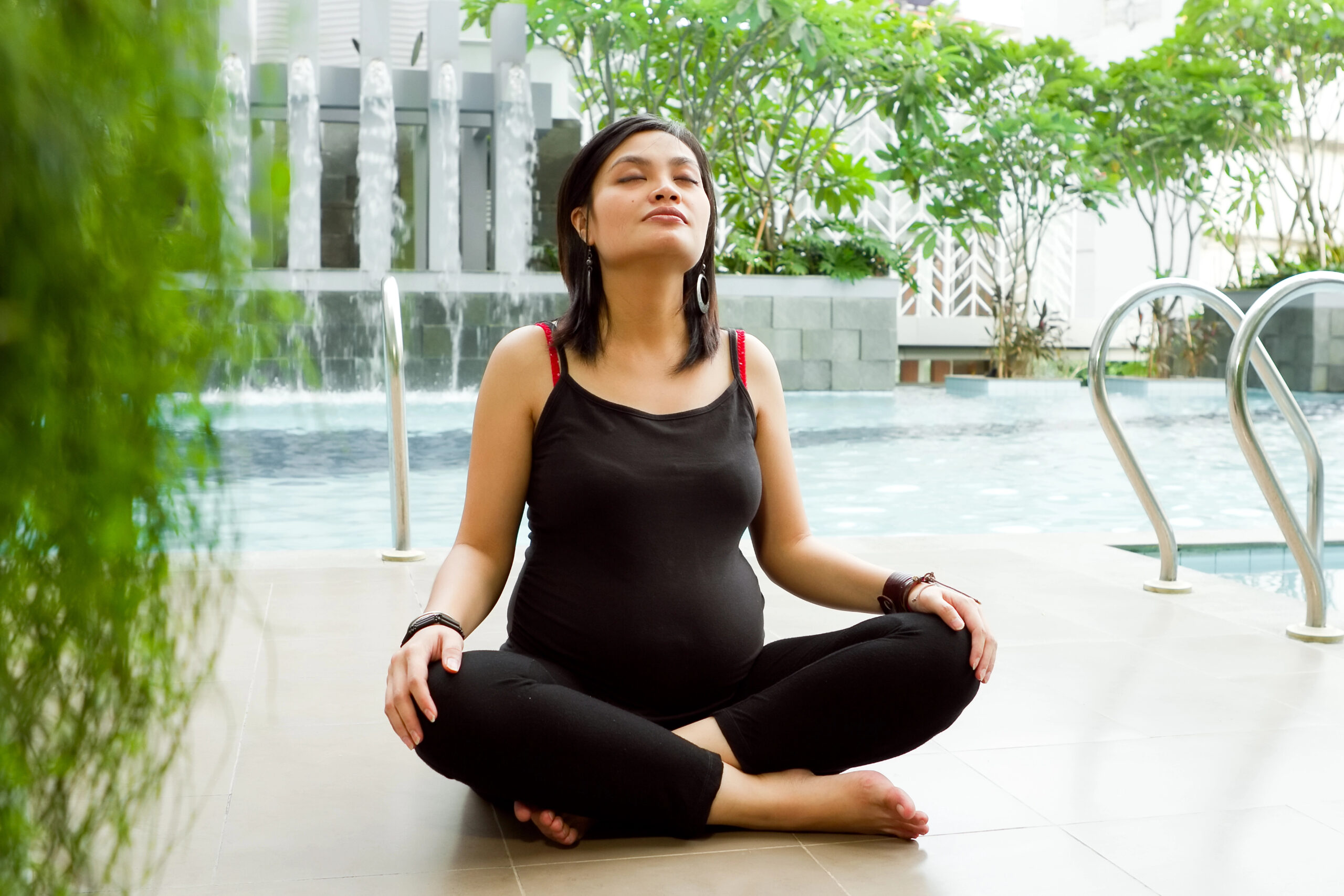
Exercise during pregnancy does not have to mean giving up the activities you enjoy. However, the way you move, balance, and manage physical effort changes as your pregnancy progresses. An exercise that felt comfortable a few weeks ago may suddenly feel awkward, difficult, or uncomfortable.
Rather than focusing on maintaining the same workout intensity, making thoughtful modifications can help you stay active while accommodating your changing body. Adjusting resistance, positioning, range of motion, or exercise duration allows you to continue challenging your muscles without placing unnecessary demands on your pelvis and pelvic floor.
Key Takeaways
- Exercise modifications help accommodate changes in balance, mobility, and physical demands throughout pregnancy.
- Reducing intensity is not always necessary, but adjusting how you perform an exercise may improve comfort and control.
- Changing your stance, range of motion, resistance, or body position can make familiar exercises more manageable.
- Yoga blocks and resistance bands can provide support and adjustable exercise challenges.
- Pelvic pressure, pain, or urinary leakage during exercise may indicate that your routine needs modification or further assessment.
Pregnancy exercise modifications are not about making every workout easier. They help you maintain meaningful movement while adapting to your body’s changing needs.
Stay Active Without Pushing Through Discomfort
Maintaining physical activity during pregnancy can support cardiovascular health, strength, mobility, and overall well-being. For people with uncomplicated pregnancies, regular exercise is generally encouraged.
However, your body does not respond to exercise exactly as it did before pregnancy. Your center of gravity shifts, your joints experience changing demands, and your muscles must accommodate a growing abdomen.
Modifications allow you to continue exercising without treating every workout as a test of strength or endurance. The goal is to choose movements that challenge your body appropriately while maintaining comfort and control.
Why Does Exercise Feel Different During Pregnancy?
Pregnancy produces physical changes that influence how your body moves and responds to exercise. These changes are normal, but they can affect the comfort and difficulty of familiar movements.
Some of the most noticeable changes include:
- Shifting center of gravity: As your abdomen grows, your weight distribution changes and certain movements may become more challenging to balance.
- Changing joint mobility: Pregnancy-related hormonal changes affect connective tissues, which can influence how your joints respond to movement.
- Increased muscular demands: Your hips, back, abdomen, and pelvic floor adapt to changes in weight distribution and posture.
- Changes in breathing and endurance: Increased cardiovascular and respiratory demands may affect how strenuous an exercise feels.
- Pelvic floor demands: Your pelvic floor works with your core to manage pressure during lifting, movement, and exercise.
These changes do not mean exercise is unsafe or that you must stop strengthening your muscles. Instead, they explain why certain exercises may benefit from a different approach.
What Pregnancy Exercise Modifications Can You Make?
Many exercises can be adapted without removing the movement entirely. Small changes to positioning, resistance, or range of motion may help you maintain the intended exercise benefits while improving comfort.
| Exercise | Possible Modification | Why It May Help |
|---|---|---|
| Squats | Use a comfortable stance, reduce depth, or hold a stable support. | Accommodates balance changes and reduces uncomfortable movement demands. |
| Lunges | Use a shorter stance, hold a counter, or switch to supported split squats. | Provides more stability and allows better control of weight shifting. |
| Planks | Perform an incline plank against a wall or stable countertop. | Changes the loading demands while continuing to challenge the core. |
| Resistance exercises | Reduce resistance or use bands with adjustable tension. | Allows strengthening while adapting the challenge to your current capacity. |
| Yoga stretches | Use yoga blocks to bring the floor closer or provide additional support. | Reduces the need to force a deep stretch or uncomfortable position. |
| Floor exercises | Switch to seated, side-lying, or supported standing positions when appropriate. | Accommodates abdominal size, positioning comfort, and balance. |
No single modification works for everyone. An exercise that feels comfortable in one trimester may need another adjustment later. Your symptoms, balance, exercise experience, and pregnancy-related medical considerations should guide those decisions.
How Can Exercise Equipment Help You Modify Your Workouts?
You do not need specialized equipment to exercise during pregnancy. However, simple tools can make it easier to adjust movements while maintaining strength and mobility.
Yoga Blocks for Support and Positioning
Yoga blocks provide a stable surface that can reduce the distance you need to reach during certain stretches and yoga positions. For example, placing blocks beneath your hands during a supported standing stretch may help you avoid bending farther than feels comfortable.
Blocks can also support modified yoga positions as your abdomen grows or your balance changes. PT Effect offers yoga blocks that can be incorporated into supported stretching and mobility exercises.
Resistance Bands for Adjustable Strength Training
Resistance bands provide an alternative to fixed weights when you want to adjust the difficulty of an exercise. Changing band resistance or movement range can help you continue strengthening your hips, legs, and other muscle groups.
For example, a light resistance loop may be useful for a controlled hip-strengthening exercise. As your comfort or exercise tolerance changes, you can adjust the resistance rather than abandoning the movement.
PT Effect’s exercise band loops offer multiple resistance levels, making them a flexible option for modified strengthening routines.
Find Equipment That Supports Your Exercise Routine
Simple equipment can help you adjust exercises for comfort, stability, and appropriate resistance. Explore the yoga blocks and exercise band loops featured in the PT Effect store.
How Do You Know When an Exercise Needs Modification?
Exercise should challenge your body, but discomfort is not something you need to push through to make progress. Paying attention to how you move and how your symptoms respond can help you determine when to adjust an exercise.
Consider modifying a movement if you notice:
- Pelvic or lower back pain during the exercise
- A sensation of pelvic heaviness or uncomfortable downward pressure
- Urinary leakage during lifting, jumping, or other movements
- Difficulty maintaining balance or controlling the movement
- Abdominal discomfort or difficulty coordinating your breathing
- Fatigue that makes it difficult to maintain comfortable exercise technique
Some symptoms may improve after adjusting resistance, position, or movement range. However, persistent pelvic pain, pressure, or urinary leakage deserves further assessment rather than repeated attempts to exercise through it.
More serious warning signs, including vaginal bleeding, dizziness, chest pain, fluid leakage, or regular painful contractions, require stopping exercise and contacting your pregnancy care provider.
Modification does not mean ignoring symptoms. If an exercise continues to cause pain or pelvic pressure after adjustments, stop that movement and seek appropriate guidance.
How Should Exercise Change as Pregnancy Progresses?
Exercise needs may change throughout pregnancy, but modifications should reflect your individual symptoms and abilities rather than a rigid trimester-based schedule.
First Trimester
Continue appropriate activities while adjusting for fatigue, nausea, or changes in exercise tolerance.
Second Trimester
Adapt movements as abdominal size, weight distribution, and balance begin to change.
Third Trimester
Prioritize comfortable positions, controlled movements, and additional support when needed.
Some people can continue familiar strength-training exercises throughout pregnancy with relatively minor adjustments. Others may need more substantial modifications because of pelvic discomfort, balance changes, or pregnancy complications.
The goal is not to reach a particular exercise intensity in every trimester. Instead, choose activities that provide an appropriate challenge while accommodating your current physical needs.
Why Does Pelvic Floor Coordination Matter During Exercise?
Your pelvic floor works alongside your diaphragm, abdominal muscles, and back muscles to manage pressure during movement. Activities such as squatting, lifting, and standing from a seated position change the demands placed on these muscles.
During pregnancy, those demands change as your body adapts to additional weight and a growing abdomen. Some individuals benefit from improving pelvic floor strength, while others need to address excessive muscle tension or difficulty coordinating relaxation and contraction.
Breathing and exercise modifications can help you explore more comfortable movement patterns. However, simply tightening your pelvic floor during every exercise is not always the appropriate strategy.
PT Effect’s Pelvic Floor Online Treatment Course provides education about breathing, pelvic floor coordination, discomfort, and guided exercise progressions. Understanding these connections can help you recognize when additional pelvic health support may be useful.
When Can Physical Therapy Help With Pregnancy Exercise?
If exercise repeatedly causes pelvic pain, pressure, urinary leakage, or difficulty moving comfortably, a pelvic health physical therapist can help identify contributing factors.
An assessment may include how your hips, core, pelvic floor, and breathing respond during movement. Based on those findings, a physical therapist can recommend exercises or modifications that fit your symptoms, pregnancy stage, and activity goals.
PT Effect provides pelvic floor physical therapy to address concerns involving pelvic floor function and movement. Individualized guidance may help you continue participating in appropriate physical activity without repeatedly aggravating symptoms.
Frequently Asked Questions About Exercise Modifications During Pregnancy
Can You Continue Lifting Weights During Pregnancy?
Many people with uncomplicated pregnancies can continue appropriate strength training, including lifting weights. However, exercise experience, symptoms, and medical considerations affect which activities are suitable. Changes in weight, positioning, or technique may become necessary as pregnancy progresses.
Is It Safe to Start Exercising During Pregnancy if You Were Previously Inactive?
For most people with uncomplicated pregnancies, beginning an appropriate exercise routine is beneficial. Start gradually with manageable activities and increase the duration or challenge as tolerated. Discuss your exercise plans with your pregnancy care provider.
Should You Avoid Abdominal Exercises During Pregnancy?
Not necessarily. Core strengthening can remain part of pregnancy exercise, although certain movements may need modification as your body changes. Comfort, breathing, movement control, and individual medical considerations help determine appropriate exercises.
Does Modifying an Exercise Make It Less Effective?
Not necessarily. Modifications can preserve the intended training benefit while changing the difficulty or demands of a movement. An appropriately challenging modified exercise may be more useful than attempting a version that causes pain or poor movement control.
Keep Moving With Confidence Throughout Pregnancy
Exercise modifications help you respond to your changing body without giving up the benefits of physical activity. Adjusting resistance, positioning, and movement demands can make familiar exercises more comfortable and manageable.
Understanding how your pelvic floor, breathing, and core work together is another important part of adapting your routine. PT Effect offers pelvic floor education and physical therapy to help you better understand movement, coordination, and pregnancy-related symptoms.
For informational purposes only.