
Sesamoiditis Orthopedic Physical Therapy
Sesamoiditis can cause pain under the big toe joint, tenderness in the ball of the foot, swelling, stiffness, difficulty pushing off, shoe discomfort, or pain with walking, running, jumping, dancing, exercising, working, and staying active comfortably. Physical therapy for sesamoiditis may help reduce irritation, improve foot and ankle mobility, build strength, address walking or running mechanics, and support better tolerance for daily activity.
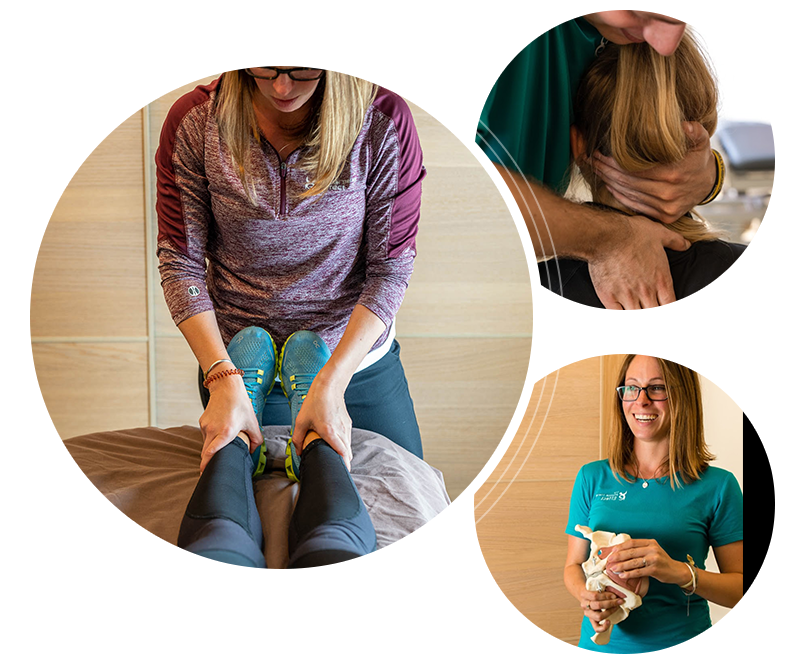
Physical Therapy for Sesamoiditis
Sesamoiditis is irritation of the small sesamoid bones and surrounding soft tissues under the big toe joint. These bones help the big toe tendon move efficiently and assist with push-off during walking, running, jumping, dancing, stairs, and many athletic movements. When the area becomes irritated, symptoms may include pain under the big toe, tenderness in the ball of the foot, swelling, stiffness, and discomfort with activities that load the forefoot.
Physical therapy for sesamoiditis is not one-size-fits-all. The right treatment plan depends on your pain location, activity level, footwear, big toe mobility, foot strength, ankle mobility, calf flexibility, walking mechanics, running or sport goals, work demands, and whether symptoms suggest a stress fracture or another condition that needs medical evaluation. A physical therapy evaluation can help determine which mobility, strength, mechanics, footwear, pressure, or load management factors may be contributing to symptoms.
What is Sesamoiditis?
Sesamoiditis is an overuse or irritation condition involving the sesamoid bones beneath the big toe joint. These bones sit inside the tendons under the first metatarsal head and help absorb load when the big toe bends and pushes off the ground. Repeated pressure or sudden increases in forefoot loading can make this area painful.
Sesamoiditis can affect runners, dancers, athletes, active adults, and people who spend long periods standing or walking. It can also be aggravated by high-impact activity, limited big toe mobility, certain foot shapes, high heels, cleats, stiff or unsupportive shoes, or activities that repeatedly place pressure under the big toe joint. Physical therapy focuses on reducing irritation, improving foot and ankle mechanics, and helping you return to activity more safely.
What causes Sesamoiditis?
Sesamoiditis may be related to repeated pressure under the big toe joint. This can happen with running, jumping, dancing, sprinting, hiking, stairs, high-impact workouts, prolonged standing, high heels, cleats, sudden training increases, limited ankle mobility, calf tightness, reduced foot strength, or altered walking and running mechanics.
Contributing factors may include limited big toe mobility, poor foot control, reduced calf strength, reduced shock absorption, high arches, forefoot overload, training spikes, footwear that concentrates pressure under the big toe, or movement habits that repeatedly stress the sesamoids. A physical therapist can help identify which factors appear most relevant to your symptoms and goals.
Get Answers About Sesamoiditis
Common symptoms of Sesamoiditis
Sesamoiditis symptoms are usually felt under the big toe joint or in the ball of the foot near the first metatarsal head. Symptoms may change based on footwear, standing time, walking distance, running volume, jumping, dancing, push-off, toe position, and how irritated the sesamoid region is at the time.
Pain under the big toe joint
One of the most common symptoms of sesamoiditis is pain beneath the big toe joint. The pain may feel sharp, aching, bruised, tender, or deep, especially with walking, running, jumping, stairs, dancing, lunges, or pushing off the foot.
The sesamoid region can be sensitive because it helps absorb force during nearly every step. Physical therapy can help reduce repeated stress by improving mobility, strength, footwear strategies, and how the foot loads during daily movement.
Common signs of pain under the big toe joint
- Pain or tenderness beneath the big toe joint
- A bruised, sore, sharp, or aching feeling in the ball of the foot
- Symptoms that worsen with walking, running, jumping, stairs, or dancing
- Pain with push-off during gait or exercise
- Relief with rest, shoe changes, or reduced forefoot pressure
How physical therapy may help pain under the big toe
Physical therapy may help reduce sesamoid irritation by improving big toe and foot mobility, strengthening the foot and calf, improving walking mechanics, discussing footwear considerations when appropriate, and modifying activities that repeatedly overload the big toe joint.
Swelling, tenderness, or pressure sensitivity
Sesamoiditis may cause swelling, tenderness, or pressure sensitivity under the big toe joint. The area may feel irritated when pressed, when walking barefoot, or when wearing shoes that place pressure directly under the forefoot.
Pressure sensitivity may make daily tasks uncomfortable, especially on hard surfaces or during long workdays. Physical therapy can help identify strategies to reduce irritation while gradually rebuilding foot strength and tolerance.
Common signs of swelling or pressure sensitivity
- Tenderness under the first metatarsal head
- Swelling or soreness around the ball of the foot
- Pain when walking barefoot or on hard surfaces
- Discomfort in high heels, cleats, flexible shoes, or shoes with limited cushioning
- Symptoms that increase after long periods of standing or walking
How physical therapy may help swelling or pressure sensitivity
Physical therapy may include activity modification, load management, foot and ankle mobility, gait training, strengthening, footwear discussion, and offloading strategies when appropriate. The goal is to reduce repeated compression through the irritated sesamoid area.
Schedule Physical Therapy for Sesamoiditis
Difficulty walking, standing, stairs, or pushing off
Sesamoiditis can make walking, standing, stairs, errands, work shifts, travel, and daily routines uncomfortable because the big toe joint is involved in push-off. You may notice shorter steps, avoiding pressure through the big toe, or rolling to the outside of the foot.
This pattern may be influenced by pain, footwear, foot strength, big toe mobility, ankle mobility, calf flexibility, and how much load the forefoot is asked to tolerate. Physical therapy can help improve walking efficiency and reduce compensations that may irritate nearby areas.
Common signs of walking or push-off difficulty
- Pain during push-off while walking
- Difficulty with stairs, hills, long walks, or hard surfaces
- Shortened stride or avoiding pressure through the big toe
- Rolling to the outside of the foot to avoid pain
- Fatigue or soreness after longer activity days
How physical therapy may help walking and push-off pain
Physical therapy may include gait training, foot and ankle strengthening, calf strengthening, big toe mobility, balance work, activity pacing, and footwear discussion when appropriate. Treatment may help improve how force moves through the foot during walking and daily activity.
Pain with running, dancing, workouts, or sport
Sesamoiditis can affect runners, dancers, hikers, court-sport athletes, field-sport athletes, gym-goers, and active adults. Running, jumping, sprinting, dancing on the toes, lunges, push-ups, planks, hills, cleats, and high-impact workouts can increase demand under the big toe joint.
Symptoms may improve with rest but return when activity resumes if footwear, mechanics, strength, mobility, or load tolerance factors are not addressed. Physical therapy can help create a structured return-to-activity plan that reduces repeated forefoot irritation.
Common signs of activity-related sesamoiditis
- Pain under the big toe during running, dancing, hiking, jumping, or sports
- Pain with push-off, sprinting, cutting, squatting, lunging, or hills
- Discomfort with exercises that load the big toe joint
- Symptoms in cleats, high heels, flexible shoes, stiff shoes, or narrow footwear
- Repeated flare-ups when activity increases
How physical therapy may help return to activity
Physical therapy may include progressive foot and calf strengthening, balance training, walking or running mechanics, low-impact conditioning, exercise modification, return-to-running progressions when appropriate, and sport-specific progressions. Your therapist can help you stay active while reducing repeated stress under the big toe joint.
Related conditions and symptoms physical therapy may address
Sesamoiditis can overlap with several big toe, forefoot, tendon, joint, stress injury, and footwear-related conditions. A physical therapy evaluation can help identify whether symptoms appear related to sesamoid irritation, stress fracture concerns, big toe stiffness, forefoot overload, altered gait mechanics, or another contributing factor.
Sesamoid stress fracture concerns
A sesamoid stress fracture can cause focal pain under the big toe joint, tenderness, swelling, and pain that worsens with weight-bearing or impact. These symptoms can feel similar to sesamoiditis and may need medical imaging.
Physical therapy can help guide safe activity and return-to-loading, but suspected fractures should be evaluated medically and managed based on physician guidance.
Big toe joint pain
Big toe joint pain can affect walking, stairs, push-off, squatting, lunging, running, and dancing. It may be related to sesamoiditis, arthritis, stiffness, joint irritation, tendon irritation, turf toe, or footwear pressure.
Physical therapy may assess toe mobility, joint irritability, foot strength, ankle mobility, and gait mechanics to guide treatment.
Hallux rigidus
Hallux rigidus refers to stiffness and arthritis at the big toe joint. Limited big toe motion can change how the foot loads during push-off and may increase pressure through the sesamoid region.
Physical therapy may include mobility work, strengthening, footwear discussion, gait training, and strategies to improve function while reducing irritation.
Turf toe or big toe sprain
Turf toe is a sprain of the big toe joint that can cause pain, swelling, stiffness, and difficulty pushing off. It may overlap with sesamoid pain when the underside of the big toe joint is irritated.
Physical therapy may help restore mobility, strength, balance, and functional movement after injury or during chronic symptom management.
Metatarsalgia
Metatarsalgia refers to pain in the ball of the foot. Sesamoiditis is one possible source of ball-of-foot pain, especially when symptoms are focused under the big toe joint.
Physical therapy may include foot strengthening, calf mobility, gait training, footwear discussion, and load management strategies.
Footwear-related forefoot pain
High heels, cleats, narrow toe boxes, worn-out shoes, very flexible shoes, or shoes that concentrate pressure under the big toe may aggravate sesamoid symptoms. Footwear does not affect everyone the same way, but it can be an important part of symptom management.
Physical therapy may include discussion of footwear fit, activity demands, gait mechanics, and strategies to reduce repeated pressure through the forefoot.
Start Treatment for Sesamoiditis
Can physical therapy help Sesamoiditis?
Physical therapy can often help sesamoiditis by addressing big toe mobility, foot mobility, ankle mobility, calf flexibility, foot strength, walking mechanics, running mechanics, footwear considerations, activity pacing, and movement habits that may contribute to irritation under the big toe joint. Treatment may help reduce symptoms, improve function, and support better tolerance for standing, walking, exercise, and daily activity.
The treatment plan should match your symptoms and goals. Some patients need symptom management, footwear changes, offloading strategies, temporary activity modification, and gentle mobility first, while others benefit from progressive foot strengthening, calf strengthening, balance training, gait retraining, return-to-running planning, or sport-specific progressions.
What your physical therapist may evaluate
- Location of pain under the big toe joint, swelling, tenderness, stiffness, pressure, bruised feeling, or forefoot symptoms
- Symptom response to footwear, standing, walking, running, stairs, squatting, jumping, dancing, and push-off
- Big toe mobility, toe alignment, forefoot mobility, foot mobility, ankle mobility, calf flexibility, and lower-leg tissue tolerance
- Foot strength, calf strength, hip strength, core control, balance, and single-leg stability
- Walking mechanics, running mechanics when appropriate, stride length, cadence, foot strike, and push-off control
- Footwear, toe box width, shoe stiffness, cushioning, surfaces, work demands, training volume, mileage, recovery habits, and activity triggers
- Goals for walking, standing, work, travel, running, dancing, hiking, sports, gym exercise, or daily routines
- Symptoms that may suggest sesamoid fracture, stress fracture, infection, inflammatory condition, progressive nerve involvement, or need for medical evaluation
What treatment may include
Treatment for sesamoiditis may include activity modification, load management, big toe mobility, forefoot mobility, foot and ankle mobility, calf mobility, foot intrinsic strengthening, toe strengthening, calf strengthening, hip strengthening, balance training, gait training, running mechanics when appropriate, manual therapy or soft tissue techniques when appropriate, low-impact conditioning, walking progressions, return-to-running progressions, footwear discussion, taping or offloading strategies when appropriate, and a home exercise program.
The goal is to reduce irritation, improve foot and ankle mechanics, build strength and endurance, and help you return to standing, walking, running, dancing, exercise, work, hobbies, and sport with more confidence. Your therapist may also help you understand how to manage flare-ups and gradually increase activity without repeatedly aggravating the sesamoid region.
Find Out If Physical Therapy Can Help
When should I see a physical therapist?
You may want to see a physical therapist if pain under the big toe joint, tenderness, swelling, stiffness, shoe discomfort, forefoot pressure, or difficulty with standing, walking, running, dancing, work, exercise, or daily routines is affecting your life. Symptoms do not need to be severe before asking for help, especially if they are changing how you move, work, train, or participate in activities you enjoy.
Early guidance can help you understand what may be contributing to symptoms, what activities or shoes may need temporary modification, and what strengthening, mobility, or support strategies may be appropriate for your current level of irritation.
You may benefit from physical therapy if:
- You have pain or tenderness under the big toe joint
- You have pain with push-off while walking, running, dancing, or exercising
- You have discomfort with standing, stairs, errands, work shifts, running, or hard surfaces
- Your symptoms are worse in high heels, cleats, flexible shoes, stiff shoes, or narrow footwear
- You compensate by rolling to the outside of the foot or shortening your stride
- Your symptoms improve temporarily but keep returning
- You want help returning to walking, running, dancing, hiking, exercise, or sport safely
- You want a clear plan for strength, mobility, mechanics, footwear, and long-term foot function
When to seek medical care sooner
Seek medical care sooner if foot or big toe pain began after a fall, collision, or major trauma, if you cannot bear weight, if pain is severe or focal on the bone, if you have significant swelling, bruising, redness, warmth, fever, unexplained weight loss, progressive numbness or weakness into the foot, open wounds, diabetes-related foot concerns, calf swelling, chest pain, shortness of breath, or symptoms that are rapidly worsening. Suspected sesamoid fracture or stress fracture should be evaluated medically.
If you are unsure where to start, call us. We can help you decide whether physical therapy is an appropriate next step or whether medical evaluation may be needed first.
Schedule a Sesamoiditis Evaluation
Do I need a doctor referral first?
Often, many patients can begin physical therapy without seeing a doctor first, although requirements may depend on your insurance plan, symptoms, and state rules.
For traumatic foot or toe injuries, inability to bear weight, suspected sesamoid fracture, suspected stress fracture, severe focal bone pain, infection signs, open wounds, diabetes-related foot concerns, progressive neurological symptoms, calf swelling, warmth or redness, or concerning symptoms, medical evaluation may be recommended first or alongside physical therapy. The easiest way to know what is needed is to call us. We can help you understand whether your insurance requires a referral, whether physical therapy is a good place to start, and what steps are needed to schedule an appointment.
Ask About Scheduling Physical Therapy
Why Choose PT Effect for Treatment?
Choosing the right physical therapy office can make a major difference in how supported, understood, and confident you feel during care. At PT Effect, treatment is built around personalized attention, hands-on guidance, and a plan that helps you move better with less pain.
- You get one-on-one care with a Licensed Doctor of Physical Therapy. Every session is focused on you, your symptoms, your activity demands, and your goals. This allows your therapist to give you more attention, adjust your plan as symptoms change, and help you understand what is happening with your sesamoid pain, big toe mobility, foot mechanics, and movement.
- You get a treatment plan made for your specific problem. Your sesamoiditis symptoms, footwear, standing tolerance, walking goals, running goals, dancing or sport demands, foot strength, ankle mobility, work demands, exercise routine, daily activity goals, and lifestyle are all part of the plan. Instead of a generic rest recommendation, your care is based on what you need to stay active and move more comfortably.
- You get hands-on care that helps identify how your body is moving. PT Effect uses manual therapy when appropriate and detailed movement assessment to better understand big toe mobility, foot mobility, ankle mobility, calf strength, foot control, hip strength, walking mechanics, running mechanics, balance, posture, and symptom triggers. This helps your therapist treat the full movement picture instead of only chasing symptoms.
- You get help sooner, without waiting weeks to start care. Pain under the big toe joint can interrupt walking, standing, workouts, work, travel, running, dancing, and daily activity quickly. PT Effect works to schedule patients as quickly as possible so you can get guidance and begin moving toward better function.
- You get support for both symptom relief and long-term movement goals. Treatment is not just about feeling better for the day. Your therapist can help you build foot strength, calf strength, ankle mobility, balance, walking tolerance, standing tolerance, running tolerance, impact tolerance, and confidence so you can use the foot more comfortably and stay active over time.
- You get care in a modern, well-equipped physical therapy office. PT Effect’s offices are designed to support effective treatment, exercise, strengthening, mobility work, gait training, balance work, functional movement practice, sport-specific drills, and hands-on therapy. The goal is to give you the space, tools, and guidance needed to make meaningful progress.
- You get a team that treats the way you move, not just where you feel symptoms. Your symptoms may be influenced by big toe mobility, foot strength, ankle mobility, calf strength, hip strength, balance, walking mechanics, running mechanics, low back movement, pelvic control, knee mechanics, training volume, footwear, surfaces, work habits, dance demands, sport demands, or nearby joints and muscles. Your therapist can look at the full picture and help address the factors contributing to your symptoms.
- You get clear guidance for what to do between visits. Progress does not only happen in the clinic. Your therapist can give you practical home exercises, activity modifications, walking or running guidance, strengthening progressions, mobility exercises, footwear considerations, offloading strategies, flare-up management tools, and movement guidance so you know how to keep improving outside of your appointments.
- You get help understanding your scheduling and insurance options. PT Effect makes it easy to request an appointment, ask for more information, or have the team check your insurance. This helps remove guesswork and gives you a clearer next step.
- You get two convenient locations. PT Effect serves patients in both San Diego and San Marcos, so you can choose the office that works best for your routine.
Start Treatment With PT Effect
Sesamoiditis can make daily activity, work, training, and exercise frustrating, especially when pain under the big toe joint, forefoot tenderness, swelling, stiffness, shoe discomfort, or difficulty with standing, walking, running, dancing, and pushing off interferes with normal routines. PT Effect can help you better understand what may be contributing to your symptoms and create a treatment plan focused on reducing irritation, improving foot and ankle mobility, building strength, improving movement mechanics, and helping you return to activity with more confidence.