
Ankylosing Spondylitis Orthopedic Physical Therapy
Ankylosing spondylitis can cause chronic back pain, morning stiffness, hip discomfort, reduced spinal mobility, posture changes, fatigue, or difficulty sitting, standing, walking, sleeping, exercising, and moving comfortably. Physical therapy for ankylosing spondylitis may help improve mobility, build strength, support posture, reduce movement limitations, and help you stay active with more confidence.
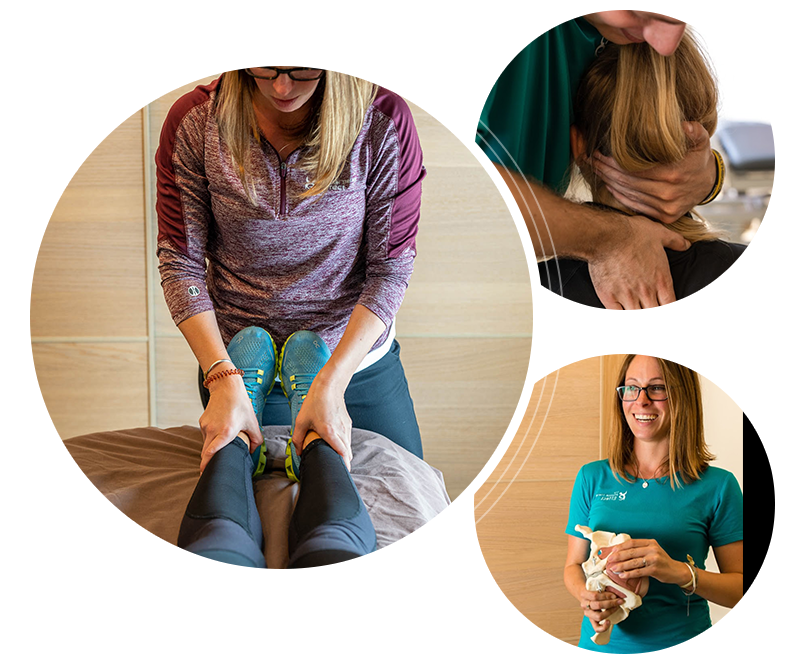
Physical Therapy for Ankylosing Spondylitis
Ankylosing spondylitis is an inflammatory condition that most often affects the spine and sacroiliac joints, which are located where the lower spine meets the pelvis. Symptoms may include low back pain, hip or buttock pain, morning stiffness, reduced spinal mobility, chest or rib stiffness, posture changes, fatigue, and difficulty with daily activity.
Physical therapy for ankylosing spondylitis is not one-size-fits-all. The right treatment plan depends on your symptoms, stage of the condition, spinal mobility, hip mobility, posture, strength, breathing mechanics, activity level, medical management, flare-up pattern, work demands, exercise routine, and goals. A physical therapy evaluation can help determine how to improve movement, protect function, and support long-term activity.
What is Ankylosing Spondylitis?
Ankylosing spondylitis, often shortened to AS, is a type of inflammatory arthritis that primarily affects the spine, pelvis, and sacroiliac joints. It can cause pain and stiffness that may be worse in the morning or after rest and may improve with gentle movement or exercise. Over time, some people may develop reduced spinal motion or posture changes if stiffness becomes more persistent.
Ankylosing spondylitis can vary widely from person to person. Some people have mild, manageable stiffness, while others experience recurring flare-ups, significant mobility limitations, hip involvement, rib cage stiffness, or fatigue. Physical therapy can be an important part of care by helping you maintain mobility, strength, posture, breathing capacity, and confidence with activity.
What causes Ankylosing Spondylitis symptoms?
Ankylosing spondylitis symptoms are related to inflammation around the spine, sacroiliac joints, hips, ribs, tendons, ligaments, and other areas where tissues attach to bone. Symptoms may flare with inflammatory activity, prolonged inactivity, poor sleep, stress, reduced exercise, posture demands, or other health factors.
Contributing factors may include reduced spinal mobility, hip stiffness, rib cage stiffness, limited thoracic extension, weak spinal extensor muscles, poor postural endurance, reduced glute and core strength, guarded movement, limited exercise tolerance, or fear of aggravating symptoms. A physical therapist can help identify which movement and strength factors may be most important for your day-to-day function.
Get Answers About Ankylosing Spondylitis
Common symptoms of Ankylosing Spondylitis
Ankylosing spondylitis symptoms may affect the lower back, pelvis, hips, mid-back, ribs, neck, shoulders, or other joints. Symptoms often change based on sleep, rest, activity, flare-ups, stress, posture, exercise, and how long stiffness has been present.
Low back, pelvic, hip, or buttock pain
One common symptom pattern with ankylosing spondylitis is pain or stiffness near the lower back, sacroiliac joints, pelvis, hips, or buttocks. Symptoms may be worse in the morning, after sitting, or after long periods of rest. Some people feel better after moving, stretching, walking, or exercising.
This pattern may be influenced by inflammation around the sacroiliac joints, limited hip mobility, muscle guarding, reduced glute strength, and how the spine, pelvis, and hips share load during daily movement.
Common signs of low back, pelvic, hip, or buttock pain
- Low back or buttock pain that is worse after rest
- Morning stiffness that improves with movement
- Hip or pelvic discomfort during walking, sitting, or standing
- Symptoms that feel better with gentle activity or stretching
- Recurring flare-ups that affect daily routines or exercise
How physical therapy may help low back, pelvic, hip, or buttock pain
Physical therapy may help improve hip and spinal mobility, build core and glute strength, reduce movement guarding, and support better walking and lifting mechanics. Your therapist may also help create a movement plan that keeps you active while respecting flare-ups and symptom irritability.
Morning stiffness or stiffness after sitting
People with ankylosing spondylitis often experience stiffness after sleeping, sitting, driving, working at a desk, or staying in one position for a long time. The stiffness may affect the lower back, hips, mid-back, ribs, or neck.
This symptom pattern may be related to inflammatory stiffness, reduced movement variety, spinal mobility restrictions, posture tolerance, and muscle guarding. A consistent mobility and strengthening plan can help many people feel more prepared for daily activity.
Common signs of morning stiffness or stiffness after sitting
- Difficulty moving comfortably first thing in the morning
- Stiffness after desk work, driving, or long periods of rest
- Needing time to loosen up before normal activity
- Reduced comfort with bending, turning, or standing upright
- Symptoms that improve after walking, stretching, or exercise
How physical therapy may help morning stiffness or stiffness after sitting
Physical therapy may include spinal mobility exercises, hip mobility work, posture strategies, movement breaks, gentle strengthening, and a home routine designed to reduce stiffness. Your therapist may help you find a realistic plan for mornings, workdays, travel, and flare-up periods.
Schedule Physical Therapy for Ankylosing Spondylitis
Reduced posture, spinal mobility, or standing tolerance
Ankylosing spondylitis may contribute to reduced spinal extension, difficulty standing tall, forward-rounded posture, neck or upper back stiffness, or fatigue when trying to maintain upright posture. Some people notice they feel more comfortable leaning forward or that their spine feels less flexible over time.
This pattern may be influenced by spinal stiffness, thoracic mobility limitations, weak spinal extensor muscles, shoulder blade weakness, hip tightness, and reduced postural endurance. Physical therapy can help support posture without forcing the body into painful positions.
Common signs of reduced posture, spinal mobility, or standing tolerance
- Difficulty standing or sitting upright for long periods
- Forward-rounded posture or reduced spinal extension
- Upper back, neck, or low back fatigue with posture demands
- Limited ability to look up, rotate, or extend the spine
- Reduced confidence with walking, lifting, or exercise
How physical therapy may help reduced posture, spinal mobility, or standing tolerance
Physical therapy may include thoracic mobility, spinal extension exercises, hip mobility, spinal extensor strengthening, shoulder blade strengthening, postural endurance training, and activity-specific strengthening. The goal is to improve support, comfort, and function during real-life movement.
Rib stiffness, breathing limitations, or chest wall tightness
Ankylosing spondylitis can affect the joints where the ribs meet the spine and breastbone. This may cause rib stiffness, chest wall tightness, difficulty taking a deep breath, or discomfort with rotation, posture, or exercise.
Rib and thoracic stiffness may affect breathing mechanics, trunk rotation, shoulder mobility, and exercise tolerance. Because chest symptoms can also be related to medical concerns, new, severe, or unusual chest symptoms should be evaluated carefully.
Common signs of rib stiffness, breathing limitations, or chest wall tightness
- Tightness around the ribs or chest wall
- Difficulty taking a comfortable deep breath
- Reduced trunk rotation or upper back mobility
- Discomfort with prolonged posture or exercise
- Stiffness that improves with breathing drills or movement
How physical therapy may help rib stiffness, breathing limitations, or chest wall tightness
Physical therapy may include rib mobility work, thoracic mobility, breathing mechanics, posture training, shoulder mobility, and conditioning when appropriate. Your therapist may help improve chest wall movement while monitoring for symptoms that need medical evaluation.
Get Help With Ankylosing Spondylitis Symptoms
Related conditions and symptoms physical therapy may address
Ankylosing spondylitis can overlap with several spine, hip, pelvic, posture, rib, and inflammatory pain-related concerns. A physical therapy evaluation can help identify whether symptoms appear related to spinal stiffness, sacroiliac irritation, hip involvement, rib mobility, muscle weakness, posture tolerance, or another factor.
Sacroiliac joint pain
The sacroiliac joints are commonly involved in ankylosing spondylitis. Pain may be felt near the lower back, pelvis, buttocks, or hips and may be worse after rest or prolonged sitting.
Physical therapy may help with hip mobility, pelvic control, core and glute strength, walking mechanics, and strategies for managing stiffness during daily activity.
Inflammatory back pain
Inflammatory back pain often behaves differently than typical mechanical back pain. Symptoms may be worse in the morning or after rest and may improve with movement or exercise.
Physical therapy may help support consistent movement, strength, posture, and activity pacing while coordinating with medical care for inflammation management.
Thoracic spine stiffness
Thoracic spine stiffness may make it harder to rotate, extend, breathe deeply, reach overhead, or sit comfortably. In ankylosing spondylitis, stiffness may be related to inflammatory changes and reduced mobility over time.
Physical therapy may include thoracic mobility exercises, rib mobility work, breathing mechanics, postural endurance training, and strengthening to improve comfortable movement.
Hip stiffness or hip pain
Some people with ankylosing spondylitis develop hip stiffness, groin discomfort, buttock pain, or difficulty with walking, stairs, squatting, or exercise. Hip mobility is important because the hips and spine share movement during daily activity.
Physical therapy may include hip mobility work, glute strengthening, gait training, balance work, and strategies to reduce extra strain on the lower back and pelvis.
Posture changes and reduced spinal extension
Reduced spinal extension can affect posture, standing tolerance, walking mechanics, breathing, and comfort with daily tasks. Some people with ankylosing spondylitis develop a more forward-flexed posture over time.
Physical therapy may help support spinal extensor strength, shoulder blade strength, hip extension, posture tolerance, and movement strategies that promote upright function.
Exercise intolerance or flare-up sensitivity
Fatigue, flare-ups, stiffness, and pain can make exercise feel unpredictable. Some people avoid movement because they are unsure what is safe or how much activity is appropriate.
Physical therapy may help create a flexible plan for mobility, strengthening, aerobic conditioning, flare-up modification, and gradual progression based on symptom response.
Start Treatment for Ankylosing Spondylitis
Can physical therapy help Ankylosing Spondylitis?
Physical therapy can often help people with ankylosing spondylitis maintain and improve mobility, strength, posture, breathing mechanics, balance, walking tolerance, and confidence with activity. While physical therapy does not replace medical management for inflammation, it can be an important part of staying active and reducing functional limitations.
The treatment plan should match your symptoms, flare-up pattern, spinal mobility, medical guidance, and goals. Some patients need gentle mobility and symptom management first, while others benefit from progressive strengthening, postural endurance training, breathing exercises, balance work, aerobic conditioning, or a structured return to exercise.
What your physical therapist may evaluate
- Spinal mobility, posture, and symptom response to movement
- Hip mobility, pelvic movement, and sacroiliac joint region symptoms
- Thoracic mobility, rib cage movement, and breathing mechanics
- Core strength, glute strength, spinal extensor strength, and shoulder blade strength
- Balance, walking mechanics, stair use, squat, hinge, and lifting patterns
- Sitting, standing, driving, sleep position, and work tolerance
- Exercise routine, flare-up behavior, fatigue, activity goals, and lifestyle demands
- Symptoms that may suggest the need for medical coordination or referral
What treatment may include
Treatment for ankylosing spondylitis may include spinal mobility exercises, hip mobility, thoracic mobility, rib mobility work, breathing mechanics, spinal extension exercises, posture training, core strengthening, glute strengthening, shoulder blade strengthening, balance training, walking or conditioning progressions, ergonomic guidance, activity modification, and a home exercise program.
The goal is to support long-term movement, reduce avoidable stiffness, build strength and endurance, improve posture tolerance, and help you stay active through work, sleep, walking, lifting, exercise, and daily routines. Your therapist may also help you adjust your plan during flare-ups so you can keep moving safely without overdoing it.
Find Out If Physical Therapy Can Help
When should I see a physical therapist?
You may want to see a physical therapist if ankylosing spondylitis symptoms are affecting your mobility, posture, sleep, exercise, work, walking, breathing comfort, or daily activity. Symptoms do not need to be severe before getting help, especially if stiffness, pain, or flare-ups are changing how you move or stay active.
Early guidance can help you build a sustainable movement plan, improve posture and strength, reduce stiffness, and better understand how to modify activity during flare-ups. Physical therapy may also work alongside your physician or rheumatology care plan.
You may benefit from physical therapy if:
- You have chronic low back, pelvic, hip, or buttock stiffness
- You feel worse in the morning or after rest and better with movement
- You have reduced spinal mobility, posture changes, or difficulty standing upright
- You have rib stiffness, chest wall tightness, or reduced breathing comfort
- Your symptoms affect work, sleep, walking, lifting, exercise, or daily movement
- You are unsure how to exercise safely during flare-ups
- You want to maintain mobility and strength over time
- You want a clear plan for mobility, posture, strength, breathing, and activity progression
When to seek medical care sooner
Seek medical care sooner if you have sudden severe back pain, symptoms after major trauma, new or worsening numbness or weakness, loss of balance or coordination, difficulty walking, changes in bowel or bladder control, saddle numbness, fever, unexplained weight loss, signs of infection, severe chest pain, shortness of breath, vision changes, eye pain or redness, or symptoms that are rapidly worsening. If you have known or suspected ankylosing spondylitis and symptoms are changing significantly, medical evaluation may be needed.
If you are unsure where to start, call us. We can help you decide whether physical therapy is an appropriate next step or whether medical evaluation may be needed first.
Schedule an Ankylosing Spondylitis Evaluation
Do I need a doctor referral first?
Often, no. Many patients can begin physical therapy without seeing a doctor first, although requirements may depend on your insurance plan, symptoms, and state rules.
Because ankylosing spondylitis is an inflammatory condition, medical diagnosis and management are important. If you have not been diagnosed, have worsening inflammatory symptoms, eye symptoms, unexplained systemic symptoms, or rapidly changing pain, medical evaluation may be recommended first or alongside physical therapy. The easiest way to know is to call us. We can help you understand whether your insurance requires a referral, whether physical therapy is a good place to start, and what steps are needed to schedule an appointment.
Ask About Scheduling Physical Therapy
Why Choose PT Effect for Treatment?
Choosing the right physical therapy office can make a major difference in how supported, understood, and confident you feel during care. At PT Effect, treatment is built around personalized attention, hands-on guidance, and a plan that helps you move better with less pain.
- You get one-on-one care with a Licensed Doctor of Physical Therapy. Every session is focused on you, your symptoms, and your goals. This allows your therapist to give you more attention, adjust your plan as symptoms change, and help you understand what is happening with your body.
- You get a treatment plan made for your specific problem. Your ankylosing spondylitis symptoms, mobility limitations, posture, flare-up pattern, daily activity demands, work tasks, exercise routine, medical considerations, and lifestyle are all part of the plan. Instead of a generic exercise routine, your care is based on what you need to stay active and function well.
- You get hands-on care that helps identify how your body is moving. PT Effect uses manual therapy when appropriate and detailed movement assessment to better understand stiffness, posture tolerance, mobility limits, walking mechanics, breathing mechanics, and pain triggers. This helps your therapist treat the full movement picture instead of only chasing symptoms.
- You get help sooner, without waiting weeks to start care. Stiffness, pain, and movement limitations can interrupt your life quickly, and getting guidance sooner can help you avoid unnecessary delays. PT Effect works to schedule patients as quickly as possible so you can begin moving toward better function.
- You get support for both symptom relief and long-term movement goals. Treatment is not just about feeling better for the day. Your therapist can help you build strength, mobility, endurance, posture tolerance, breathing capacity, and confidence so you can stay active over time.
- You get care in a modern, well-equipped physical therapy office. PT Effect’s offices are designed to support effective treatment, exercise, strengthening, mobility work, posture training, balance training, conditioning, and hands-on therapy. The goal is to give you the space, tools, and guidance needed to make meaningful progress.
- You get a team that treats the way you move, not just where you hurt. Your symptoms may be influenced by mobility, strength, posture, breathing mechanics, balance, walking mechanics, lifting habits, work habits, hip mobility, rib mobility, or nearby joints and muscles. Your therapist can look at the full picture and help address the factors contributing to your limitations.
- You get clear guidance for what to do between visits. Progress does not only happen in the clinic. Your therapist can give you practical home exercises, activity modifications, posture strategies, breathing drills, walking guidance, flare-up modifications, and movement tools so you know how to keep improving outside of your appointments.
- You get help understanding your scheduling and insurance options. PT Effect makes it easy to request an appointment, ask for more information, or have the team check your insurance. This helps remove guesswork and gives you a clearer next step.
- You get two convenient locations. PT Effect serves patients in both San Diego and San Marcos, so you can choose the office that works best for your routine.
Start Treatment With PT Effect
Ankylosing spondylitis can make daily movement challenging, especially when chronic back pain, morning stiffness, posture changes, rib tightness, hip discomfort, or flare-ups interfere with work, sleep, walking, exercise, and normal routines. PT Effect can help you better understand how to move with confidence and create a treatment plan focused on mobility, strength, posture support, breathing mechanics, and long-term activity.