
Tailbone Pain Orthopedic Physical Therapy
Tailbone pain can cause aching, tenderness, pressure, burning, or sharp discomfort at the base of the spine, especially while sitting, leaning back, driving, transitioning from sitting to standing, exercising, sleeping, or completing daily activities. Physical therapy for tailbone pain may help identify contributing factors, reduce irritation, improve pelvic and hip mobility, restore strength and control, and support a more comfortable return to everyday movement.
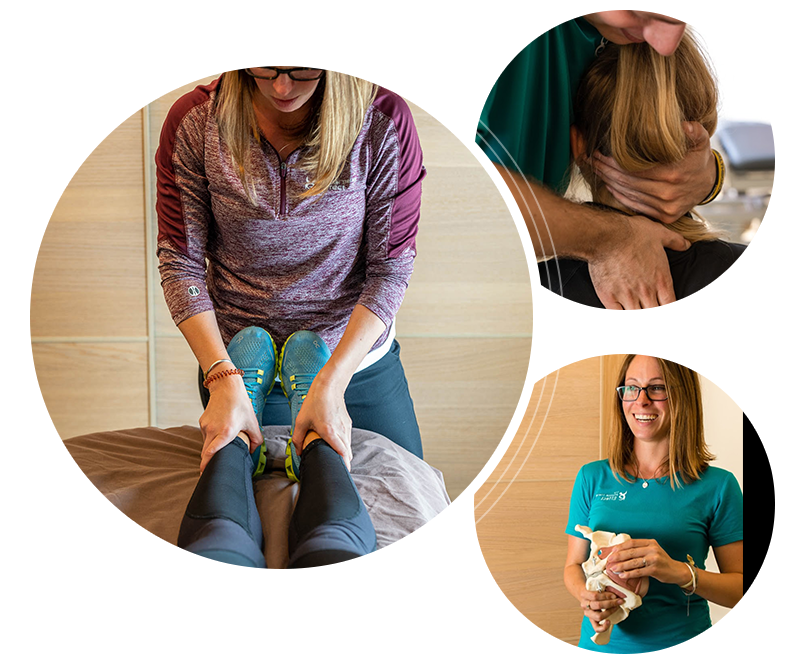
Physical Therapy for Tailbone Pain
The tailbone, also called the coccyx, is the small section of bone at the bottom of the spine. Pain in this area may feel localized directly over the tailbone or may spread into the surrounding pelvic floor, buttocks, hips, or lower back. Symptoms are often worse with sitting on firm surfaces, leaning backward, prolonged driving, bowel movements, or moving between sitting and standing.
Physical therapy for tailbone pain is not one-size-fits-all. The right treatment plan depends on how symptoms began, sitting tolerance, posture, pelvic floor muscle tension, hip and low back mobility, core strength, previous trauma, pregnancy or childbirth history, work demands, exercise habits, and personal goals. A physical therapy evaluation can help determine whether symptoms may be influenced by coccyx irritation, muscle tension, joint stiffness, posture, pelvic floor dysfunction, or another contributing factor.
What is Tailbone Pain?
Tailbone pain, sometimes called coccydynia, refers to discomfort involving the coccyx and the tissues that attach around it. Some people feel a deep ache or pressure at the base of the spine, while others notice sharp pain when sitting down, standing up, leaning back, or placing direct pressure on the area.
Symptoms may develop suddenly after a fall or direct impact, or gradually from prolonged sitting, repetitive pressure, pregnancy, childbirth, pelvic floor tension, posture changes, or reduced mobility in the hips and lower back. Because infections, fractures, tumors, and other medical conditions can also cause pain near the tailbone, a careful evaluation is important when symptoms are severe, unexplained, or unusual.
What causes Tailbone Pain?
Tailbone pain may be caused by a fall onto the buttocks, prolonged sitting on hard surfaces, repetitive pressure, pregnancy or childbirth, pelvic floor muscle tension, joint irritation, altered posture, or reduced mobility in nearby areas. Symptoms may also begin after cycling, rowing, long car rides, desk work, or a sudden increase in seated activity.
Contributing factors may include poor sitting tolerance, leaning backward onto the coccyx, tight pelvic floor or gluteal muscles, limited hip mobility, low back stiffness, reduced core control, previous pelvic injury, scar tissue, or difficulty distributing pressure evenly while sitting. A physical therapy evaluation can help identify which factors appear most relevant to your symptoms.
Get Answers About Tailbone Pain
Common symptoms of Tailbone Pain
Tailbone pain can vary depending on the source of irritation, how long symptoms have been present, and how the pelvis, spine, hips, and pelvic floor respond to sitting and movement. Symptoms may be mild and position-dependent or may significantly affect work, travel, exercise, sleep, and daily routines.
Tailbone pain while sitting
Sitting is one of the most common triggers for tailbone pain. Symptoms may increase on firm chairs, during long meetings, while driving, or when leaning backward. Some people shift their weight from side to side or sit forward to avoid direct pressure on the coccyx.
This pattern may be influenced by direct compression, coccyx irritation, posture, pelvic floor tension, reduced hip mobility, or difficulty distributing pressure through the sitting bones. Over time, protective sitting habits may also contribute to discomfort in the hips, low back, or pelvic floor.
Common signs of tailbone pain while sitting
- Aching, pressure, or sharp pain at the base of the spine
- Symptoms that worsen on firm chairs or during long car rides
- Difficulty leaning back comfortably while seated
- Frequent shifting or sitting to one side to reduce pressure
- Relief when standing, walking, or using a pressure-relieving cushion
How physical therapy may help tailbone pain while sitting
Physical therapy may help improve sitting posture, pressure distribution, pelvic and hip mobility, pelvic floor relaxation, and trunk control. Your therapist may also recommend practical seating modifications and graded exposure to sitting so tolerance can improve without repeatedly aggravating symptoms.
Pain when standing up, bending, or changing positions
Tailbone pain may become more noticeable when moving from sitting to standing, lowering into a chair, bending forward, rolling in bed, or transitioning between positions. Some people feel a brief sharp pain, pulling sensation, or deep ache during these movements.
This symptom pattern may be influenced by coccyx joint sensitivity, muscle guarding, pelvic floor tension, reduced hip mobility, stiffness in the low back, or poor coordination between the trunk, pelvis, and hips. Repeatedly bracing or avoiding movement can make transitions feel more difficult over time.
Common signs of pain with position changes
- Sharp pain when rising from a chair
- Discomfort while lowering into a seated position
- Pain with bending, rolling over, or getting out of bed
- A pulling or pressure sensation near the coccyx
- Guarded movement or use of the arms to avoid loading the area
How physical therapy may help pain with position changes
Physical therapy may focus on hip mobility, trunk control, pelvic floor coordination, movement mechanics, and gradual strengthening. Your therapist can help you practice more comfortable ways to sit, stand, bend, and transfer while rebuilding confidence in normal movement.
Schedule Physical Therapy for Tailbone Pain
Tailbone pain after a fall, impact, or childbirth
Tailbone pain may begin after falling backward, landing directly on the buttocks, a sports collision, or childbirth. The coccyx and surrounding ligaments, muscles, and pelvic floor tissues may become bruised, strained, irritated, or less mobile after these events.
Symptoms may include localized tenderness, bruising, pain with sitting, discomfort during bowel movements, or difficulty transitioning between positions. Recovery depends on the severity of the injury, healing stage, surrounding muscle tension, and how much pressure the area experiences during daily activities.
Common signs of tailbone pain after trauma or childbirth
- Pain that began after a fall, direct impact, or delivery
- Tenderness or bruising over the coccyx
- Difficulty sitting or driving for normal periods
- Pain during transitions, bowel movements, or pelvic floor activity
- Symptoms that remain sensitive after the initial injury has healed
How physical therapy may help after trauma or childbirth
Physical therapy may help reduce muscle guarding, restore hip and pelvic mobility, improve pelvic floor coordination, rebuild trunk strength, and guide a gradual return to sitting, exercise, work, and daily activity. Treatment should respect healing timelines and any medical precautions related to trauma, fracture, or postpartum recovery.
Tailbone pain with pelvic floor tension or bowel movements
The pelvic floor muscles attach near the coccyx and can influence tailbone symptoms. Excessive tension, poor coordination, constipation, straining, or pain during bowel movements may increase pulling or pressure around the tailbone.
This does not mean every case of tailbone pain is caused by the pelvic floor, but pelvic floor muscle guarding may contribute when symptoms are associated with bowel movements, pelvic pain, childbirth, stress, or prolonged sitting. A therapist with appropriate pelvic health training can assess whether these muscles are involved.
Common signs of pelvic floor involvement
- Tailbone pain during or after bowel movements
- Pelvic pressure, tightness, or difficulty relaxing
- Symptoms associated with constipation or straining
- Pain that began during pregnancy or after childbirth
- Tailbone discomfort combined with pelvic, hip, or low back pain
How physical therapy may help pelvic floor-related tailbone pain
Physical therapy may include breathing strategies, pelvic floor relaxation and coordination, hip and pelvic mobility, posture guidance, bowel movement positioning, and strengthening when appropriate. Your therapist can also determine whether pelvic health treatment or medical evaluation should be part of your care plan.
Get Help With Tailbone Pain During Daily Activity
Related conditions and symptoms physical therapy may address
Tailbone pain can overlap with several pelvic, spinal, muscular, and posture-related conditions. A physical therapy evaluation can help identify whether symptoms appear related to direct coccyx irritation, pelvic floor tension, hip or low back mobility, sitting mechanics, trauma, or another contributing factor.
Coccydynia
Coccydynia is the medical term for pain involving the coccyx. It may cause tenderness, aching, pressure, or sharp pain during sitting, leaning back, position changes, or bowel movements.
Physical therapy may help improve pressure management, sitting tolerance, pelvic and hip mobility, pelvic floor coordination, and movement mechanics while reducing guarding around the area.
Coccyx contusion or irritation after a fall
A direct fall onto the buttocks can bruise or irritate the coccyx and surrounding tissues. Symptoms may remain sensitive with sitting even after visible bruising has resolved.
Physical therapy may help manage pressure, restore comfortable movement, reduce protective muscle tension, and gradually rebuild tolerance to sitting, driving, work, and exercise.
Pelvic floor muscle overactivity
Pelvic floor muscles that remain tense or have difficulty relaxing may pull on tissues around the coccyx and contribute to pain, pressure, or discomfort during sitting and bowel movements.
Physical therapy may include breathing, relaxation, coordination, posture, and mobility strategies. Internal pelvic floor assessment or treatment is only used when appropriate, with informed consent, and by a qualified pelvic health therapist.
Postpartum tailbone pain
Pregnancy and childbirth can place stress on the coccyx, pelvic floor, and surrounding ligaments. Pain may begin during pregnancy, after delivery, or when returning to prolonged sitting and exercise.
Physical therapy may help restore pelvic floor coordination, hip mobility, trunk strength, sitting tolerance, and confidence with daily movement while considering postpartum healing and individual goals.
Posture-related tailbone pressure
Slouched sitting or leaning backward can place more direct pressure on the coccyx. Long workdays, driving, studying, or limited movement breaks may gradually increase irritation.
Physical therapy may include seating and ergonomic guidance, movement breaks, hip mobility, trunk endurance, and strategies to distribute pressure more evenly while sitting.
Low back, hip, or pelvic pain associated with tailbone symptoms
The coccyx works within a larger system that includes the sacrum, pelvis, hips, low back, pelvic floor, and gluteal muscles. Restrictions or guarding in these areas may contribute to tailbone symptoms or develop as compensations.
Physical therapy may assess how these regions move together and address mobility, strength, coordination, and movement habits that may be adding stress to the tailbone.
Start Treatment for Tailbone Pain
Can physical therapy help Tailbone Pain?
Physical therapy can often help tailbone pain by addressing sitting mechanics, pressure distribution, pelvic floor tension, hip and low back mobility, trunk strength, movement coordination, and activity habits that may contribute to irritation. Treatment may help reduce symptoms, improve sitting tolerance, and restore confidence with daily movement.
The treatment plan should match your current symptoms and their cause. Some patients need gentle symptom management, positioning, and relaxation strategies first, while others are ready for progressive strengthening, mobility work, ergonomic changes, pelvic health treatment, or a structured return to exercise and prolonged sitting.
What your physical therapist may evaluate
- Location, intensity, and behavior of tailbone symptoms
- Sitting posture, pressure distribution, and tolerance
- Hip, pelvis, sacrum, and low back mobility
- Core, gluteal, and pelvic floor strength and coordination
- Movement mechanics during sitting, standing, bending, and transfers
- Muscle tension around the hips, buttocks, and pelvic floor
- Workstation setup, driving demands, sleep positions, and daily habits
- History of falls, childbirth, pelvic injury, surgery, or medical conditions
What treatment may include
Treatment for tailbone pain may include sitting and ergonomic modifications, pressure-relieving strategies, hip and pelvic mobility, manual therapy when appropriate, breathing exercises, pelvic floor relaxation or strengthening, trunk and gluteal strengthening, movement retraining, activity modification, and a personalized home exercise program.
The goal is to reduce irritation, improve sitting tolerance, restore mobility and strength, and help you return to work, driving, sleep, exercise, travel, and daily activity with greater confidence.
Find Out If Physical Therapy Can Help
When should I see a physical therapist?
You may want to see a physical therapist if tailbone pain is not improving, keeps returning, or limits your ability to sit, drive, work, sleep, exercise, or move comfortably. Symptoms do not need to be severe before getting help, especially if you are changing your posture or daily routine to avoid pressure on the area.
Early guidance can help you understand how to reduce irritation, which sitting or activity modifications may help, and how to begin restoring mobility, strength, and tolerance safely.
You may benefit from physical therapy if:
- You have aching, pressure, tenderness, or sharp pain at the tailbone
- Your symptoms increase with sitting, driving, or leaning backward
- You feel pain when standing up from a chair or changing positions
- Your pain began after a fall, childbirth, or prolonged sitting
- You have pelvic floor tension, constipation, or pain with bowel movements
- Your symptoms affect work, sleep, exercise, travel, or daily routines
- Your pain improves temporarily but keeps returning
- You want a clear plan for sitting, movement, strength, and return to activity
When to seek medical care sooner
Seek medical care promptly if tailbone pain follows significant trauma, you cannot sit or walk normally, or symptoms are severe and rapidly worsening. Medical evaluation is also important for fever, unexplained weight loss, a visible lump or drainage near the tailbone, persistent night pain, new numbness or weakness, bowel or bladder changes, rectal bleeding, or symptoms that do not change with position or movement.
If you are unsure where to start, call us. We can help you decide whether physical therapy is an appropriate next step or whether medical evaluation may be needed first.
Schedule a Tailbone Pain Evaluation
Do I need a doctor referral first?
Often, no. Many patients can begin physical therapy without seeing a doctor first, although requirements may depend on your insurance plan, symptoms, and state rules.
If symptoms began after major trauma, are severe or rapidly worsening, or are associated with fever, drainage, a lump, unexplained weight loss, neurological changes, bowel or bladder symptoms, or concern for a fracture or infection, medical evaluation may be recommended first. The easiest way to know is to call us. We can help you understand whether your insurance requires a referral and what steps are needed to schedule an appointment.
Ask About Scheduling Physical Therapy
Why Choose PT Effect for Treatment?
Choosing the right physical therapy office can make a major difference in how supported, understood, and confident you feel during recovery. At PT Effect, treatment is built around personalized care, hands-on attention, and a plan that helps you move better with less pain.
- You get one-on-one care with a Licensed Doctor of Physical Therapy. Every session is focused on you, your symptoms, and your goals. This allows your therapist to give you more attention, adjust your plan as you improve, and help you understand what is happening with your body.
- You get a treatment plan made for your specific problem. Your tailbone pain, sitting tolerance, posture, pelvic and hip mobility, daily activity demands, work setup, exercise routine, and lifestyle are all part of the plan. Instead of a generic exercise routine, your care is based on what you need to return to daily activities, work, exercise, or sports.
- You get hands-on care that helps identify how your body is moving. PT Effect uses manual therapy and detailed movement assessment to better understand stiffness, tenderness, mobility limits, weakness, and pain triggers. This helps your therapist treat the source of the problem instead of only chasing symptoms.
- You get help sooner, without waiting weeks to start care. Tailbone pain can interrupt sitting, driving, working, sleeping, exercise, and daily routines quickly. PT Effect works to schedule patients as quickly as possible so you can begin moving toward recovery.
- You get support for both pain relief and long-term movement goals. Treatment is not just about feeling better for the day. Your therapist can help you build mobility, strength, balance, endurance, control, and confidence so you can move more comfortably and reduce the chance of the problem coming back.
- You get care in a modern, well-equipped physical therapy office. PT Effect’s offices are designed to support effective treatment, exercise, strengthening, mobility work, and hands-on therapy. The goal is to give you the space, tools, and guidance needed to make meaningful progress.
- You get a team that treats the way you move, not just where you hurt. Tailbone pain may be influenced by sitting pressure, posture, pelvic floor tension, hip mobility, core control, previous trauma, pregnancy or childbirth, work habits, or nearby joints and muscles. Your therapist can look at the full picture and help address the factors contributing to your symptoms.
- You get clear guidance for what to do between visits. Recovery does not only happen in the clinic. Your therapist can give you practical home exercises, activity modifications, sitting modifications, posture guidance, mobility strategies, and movement progressions so you know how to keep improving outside of your appointments.
- You get help understanding your scheduling and insurance options. PT Effect makes it easy to request an appointment, ask for more information, or have the team check your insurance. This helps remove guesswork and gives you a clearer next step.
- You get two convenient locations. PT Effect serves patients in both San Diego and San Marcos, so you can choose the office that works best for your routine.
Start Treatment With PT Effect
Tailbone pain can make everyday life difficult, especially when aching, tenderness, pressure, or sharp discomfort interferes with sitting, driving, working, sleeping, exercising, transitioning from sitting to standing, or completing normal daily activities. PT Effect can help you better understand what may be contributing to your symptoms and create a treatment plan focused on reducing irritation, improving mobility and sitting tolerance, rebuilding strength and control, and helping you return to activity with more confidence.