
Post-Concussion Syndrome Orthopedic Physical Therapy
Post-concussion syndrome can cause headaches, dizziness, neck pain, balance problems, light sensitivity, fatigue, difficulty concentrating, or trouble returning to work, school, exercise, driving, and daily activity. Physical therapy for post-concussion syndrome may help identify contributing factors, improve neck mobility, support balance and vestibular function, build strength, and guide a safe return to normal routines.
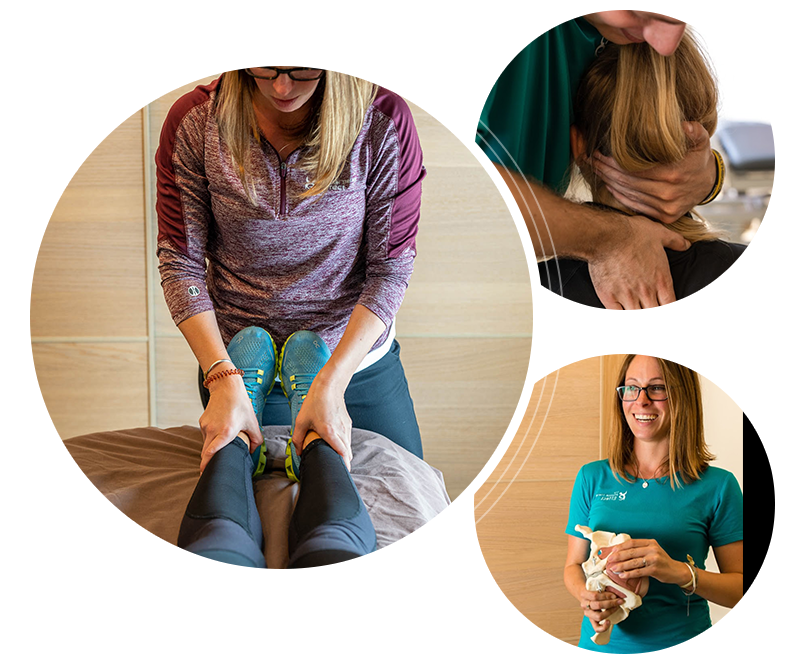
Physical Therapy for Post-Concussion Syndrome
Post-concussion syndrome refers to symptoms that continue after a concussion or mild traumatic brain injury. Symptoms may include headaches, dizziness, neck pain, light or sound sensitivity, fatigue, brain fog, difficulty concentrating, balance problems, nausea, sleep changes, or difficulty tolerating screens, driving, exercise, work, or school.
Physical therapy for post-concussion syndrome is not one-size-fits-all. The right treatment plan depends on your symptoms, injury history, neck mobility, headache pattern, dizziness triggers, balance, vision or vestibular symptoms, exercise tolerance, work or school demands, sleep quality, stress level, activity goals, and medical guidance. A physical therapy evaluation can help determine which factors may be contributing to your ongoing symptoms and what type of care may be appropriate.
What is Post-Concussion Syndrome?
Post-concussion syndrome is a term used when concussion-related symptoms last longer than expected after a head injury. A concussion may happen after a fall, car accident, sports collision, direct blow to the head, or sudden movement that causes the head and neck to move quickly. Symptoms can affect the brain, neck, eyes, balance system, nervous system, sleep, mood, and activity tolerance.
Post-concussion symptoms can vary widely. Some people mainly experience headaches and neck pain, while others struggle with dizziness, visual sensitivity, fatigue, concentration, balance, or exercise intolerance. Because symptoms can come from several overlapping systems, a detailed evaluation is important for creating a safe and useful recovery plan.
What causes Post-Concussion Syndrome?
Post-concussion syndrome may be related to ongoing sensitivity in the nervous system, neck injury, vestibular dysfunction, visual motion sensitivity, headache disorders, sleep disruption, stress, reduced exercise tolerance, or difficulty gradually returning to normal activity after the injury. Symptoms may also be influenced by whiplash-associated disorder, cervicogenic headache, cervicogenic dizziness, migraine-related factors, or balance changes.
Contributing factors may include limited neck mobility, upper neck irritation, muscle guarding, poor postural endurance, dizziness with head movement, visual sensitivity, reduced balance confidence, fatigue, deconditioning, anxiety about symptoms, or returning too quickly to work, school, screens, exercise, or sport. A physical therapy evaluation can help identify which factors appear most relevant to your symptoms.
Get Answers About Post-Concussion Syndrome
Common symptoms of Post-Concussion Syndrome
Post-concussion syndrome symptoms may affect daily life in several ways. Symptoms may be constant or may appear with specific triggers such as screens, reading, driving, busy environments, exercise, stress, poor sleep, head movement, or long periods of concentration.
Headaches, neck pain, or pressure symptoms
Headaches are common after a concussion, especially when the injury also involves the neck. Pain may feel like pressure, aching, tightness, pulsing, or discomfort near the forehead, temples, back of the head, base of the skull, or behind the eyes.
These symptoms may be influenced by neck stiffness, upper cervical irritation, whiplash-associated disorder, cervicogenic headache, migraine-related sensitivity, muscle tension, screen use, stress, sleep disruption, or activity overload. Evaluation can help determine whether neck-related factors may be contributing.
Common signs of headaches, neck pain, or pressure symptoms
- Headaches that increase with screens, reading, driving, or concentration
- Pain or pressure near the forehead, temples, base of the skull, or behind the eyes
- Neck stiffness or soreness after the injury
- Symptoms that increase with posture, head movement, or activity
- Temporary relief with rest, gentle movement, or reducing symptom triggers
How physical therapy may help headaches, neck pain, or pressure symptoms
Physical therapy may help assess whether headaches are influenced by neck mobility, muscle guarding, posture tolerance, balance, visual sensitivity, or activity overload. Treatment may include gentle neck mobility, manual therapy when appropriate, strengthening, posture support, breathing strategies, pacing, and a gradual return-to-activity plan.
Dizziness, balance problems, or motion sensitivity
Post-concussion syndrome may cause dizziness, lightheadedness, imbalance, nausea, visual motion sensitivity, or discomfort with head movement. Symptoms may increase while walking in busy environments, scrolling on a phone, riding in a car, turning the head, exercising, or moving quickly.
These symptoms may be related to the vestibular system, visual system, neck-related dizziness, nervous system sensitivity, balance deficits, or a combination of factors. Because dizziness can have many causes, careful screening is important.
Common signs of dizziness, balance problems, or motion sensitivity
- Dizziness or lightheadedness with head movement
- Feeling unsteady while walking or turning
- Symptoms that increase in grocery stores, crowds, traffic, or busy visual environments
- Nausea or discomfort with screens, reading, or motion
- Reduced confidence with stairs, exercise, driving, or quick movements
How physical therapy may help dizziness, balance problems, or motion sensitivity
Physical therapy may include balance assessment, vestibular screening, gaze stabilization exercises when appropriate, head movement tolerance, walking drills, gradual exposure to motion, and strategies to improve confidence with daily activity. Treatment should be progressed carefully based on symptom response.
Schedule Physical Therapy for Post-Concussion Syndrome
Light sensitivity, screen intolerance, or visual discomfort
Some people with post-concussion syndrome have difficulty tolerating screens, bright lights, reading, computer work, busy environments, or fast visual movement. Symptoms may include eye strain, headache, dizziness, fatigue, nausea, or difficulty focusing.
This pattern may be influenced by visual motion sensitivity, vestibular involvement, eye-tracking difficulty, nervous system sensitivity, neck tension, fatigue, or returning too quickly to screens and cognitive activity. Physical therapy may help with some movement and balance-related contributors, and referral to another provider may be recommended when visual findings need specialized care.
Common signs of light sensitivity, screen intolerance, or visual discomfort
- Headaches or dizziness with computer, phone, or tablet use
- Eye strain, fatigue, or difficulty focusing while reading
- Sensitivity to bright lights or busy environments
- Symptoms that worsen during work, school, or driving
- Needing frequent breaks from screens or visual tasks
How physical therapy may help light sensitivity, screen intolerance, or visual discomfort
Physical therapy may help by addressing posture, neck mobility, balance, gaze stabilization, movement tolerance, pacing, and gradual exposure to visual environments when appropriate. Your therapist may also help coordinate care with medical, vision, vestibular, or concussion specialists when symptoms require additional evaluation.
Fatigue, brain fog, or difficulty returning to exercise
Post-concussion syndrome may affect energy, concentration, memory, mood, sleep, and exercise tolerance. Some people feel foggy, easily overwhelmed, unusually tired, or unable to return to their normal workout routine without symptoms increasing.
This pattern may be influenced by nervous system sensitivity, poor sleep, reduced conditioning, stress, activity overload, headache symptoms, dizziness, or difficulty finding the right pace for recovery. A gradual, structured approach can help many patients rebuild tolerance.
Common signs of fatigue, brain fog, or difficulty returning to exercise
- Fatigue that increases with work, school, screens, or activity
- Difficulty concentrating or feeling mentally foggy
- Symptoms that flare after exercise or busy days
- Reduced tolerance for normal workouts or sports
- Feeling unsure how much activity is safe during recovery
How physical therapy may help fatigue, brain fog, or difficulty returning to exercise
Physical therapy may include symptom-guided activity pacing, graded aerobic exercise, strengthening, balance work, breathing strategies, and return-to-exercise planning. The goal is to help you build tolerance gradually without repeatedly pushing symptoms too far.
Get Help With Concussion Recovery Symptoms
Related conditions and symptoms physical therapy may address
Post-concussion syndrome can overlap with several neck, headache, dizziness, vestibular, visual, and activity tolerance conditions. A physical therapy evaluation can help identify whether symptoms appear related to the neck, balance system, visual motion sensitivity, exercise intolerance, whiplash injury, or another contributor.
Whiplash-associated disorder
Whiplash-associated disorder may occur when the head and neck move quickly during a car accident, fall, sports injury, or sudden impact. It can occur with or without a diagnosed concussion and may contribute to neck pain, headaches, dizziness, and movement sensitivity.
Physical therapy may help restore neck mobility, reduce muscle guarding, improve strength, address balance concerns, and support a gradual return to driving, work, school, exercise, and daily activity.
Cervicogenic headache
Cervicogenic headaches are headaches that may be influenced by the neck. After a concussion or whiplash-type injury, neck stiffness and upper cervical irritation may contribute to pain near the base of the skull, temples, forehead, or behind the eyes.
Physical therapy may address upper neck mobility, muscle tension, postural endurance, strengthening, and movement habits that may contribute to headache symptoms.
Cervicogenic dizziness
Cervicogenic dizziness describes dizziness or unsteadiness that may be influenced by the neck. It may occur with neck pain, headaches, stiffness, posture sensitivity, or whiplash-associated symptoms.
Physical therapy may help assess neck-related dizziness, improve mobility, build strength, support balance, and guide head movement tolerance when appropriate.
Vestibular dysfunction
Vestibular dysfunction involves the balance system and may contribute to dizziness, motion sensitivity, nausea, imbalance, visual sensitivity, or symptoms with head movement. Vestibular symptoms can occur after concussion.
Physical therapy may include vestibular screening, balance training, gaze stabilization exercises, habituation exercises when appropriate, and gradual exposure to motion or visual environments.
Exercise intolerance after concussion
Some people have symptoms that increase with physical exertion after a concussion. This may make it difficult to return to workouts, running, lifting, sports, or physically demanding work.
Physical therapy may help guide a gradual return to exercise using symptom monitoring, graded aerobic activity, strengthening, rest strategies, and progression planning.
Visual motion sensitivity
Visual motion sensitivity may cause discomfort in busy environments, while scrolling, driving, watching moving objects, or being around bright lights and crowds. It can overlap with vestibular and concussion-related symptoms.
Physical therapy may include gradual exposure to movement, balance training, gaze stabilization when appropriate, and activity pacing. Referral to a vision specialist may be recommended when visual symptoms need more targeted evaluation.
Start Treatment for Post-Concussion Syndrome
Can physical therapy help Post-Concussion Syndrome?
Physical therapy may help post-concussion syndrome by addressing neck pain, headaches, dizziness, balance problems, vestibular symptoms, visual motion sensitivity, exercise intolerance, strength deficits, posture tolerance, and activity pacing. The goal is to help you understand your symptoms and gradually rebuild confidence with daily activity.
Treatment should match your symptom pattern and recovery stage. Some patients need gentle neck treatment and pacing strategies first, while others benefit from balance training, vestibular exercises, graded aerobic exercise, strengthening, return-to-work planning, return-to-school strategies, or sport-specific progression.
What your physical therapist may evaluate
- How the injury happened and how symptoms have changed over time
- Headache location, frequency, triggers, and symptom behavior
- Neck range of motion, upper neck mobility, and muscle guarding
- Dizziness, balance, gait, head movement tolerance, and fall risk
- Screen tolerance, visual motion sensitivity, reading tolerance, and light sensitivity
- Exercise tolerance, fatigue, symptom thresholds, and recovery response
- Strength, posture tolerance, sleep position, work or school demands, and daily habits
- Signs that may suggest the need for medical, vestibular, vision, neurological, or concussion specialist referral
What treatment may include
Treatment for post-concussion syndrome may include education, symptom pacing, gentle neck mobility, manual therapy when appropriate, deep neck strengthening, shoulder blade strengthening, balance training, vestibular exercises when indicated, gaze stabilization, gradual screen and motion exposure, graded aerobic exercise, and a home exercise program.
The goal is to reduce avoidable symptom flare-ups, improve neck and balance function, rebuild strength and exercise tolerance, and help you return to work, school, driving, sport, and daily activity safely. Your therapist may also help coordinate care if symptoms suggest the need for additional medical evaluation.
Find Out If Physical Therapy Can Help
When should I see a physical therapist?
You may want to see a physical therapist if concussion-related symptoms are making it difficult to work, attend school, drive, exercise, sleep, read, use screens, or move confidently. Symptoms do not need to be severe before asking for help, especially if they continue to interfere with your normal routine.
Early guidance can help you understand which symptoms may be influenced by the neck, balance system, visual motion sensitivity, exertion tolerance, or activity pacing. It can also help you avoid doing too little or too much during recovery.
You may benefit from physical therapy if:
- You have headaches, neck pain, or stiffness after a concussion
- You feel dizzy, unsteady, nauseous, or sensitive to motion
- You have difficulty tolerating screens, reading, driving, or busy environments
- You feel fatigued, foggy, or overwhelmed with normal daily activity
- Your symptoms increase with exercise or physical exertion
- You are avoiding work, school, sport, or daily routines because of symptoms
- Your symptoms improve temporarily but flare when you increase activity
- You want a clear plan for returning to exercise, work, school, driving, or sport
When to seek medical care sooner
Seek medical care sooner if you have a worsening headache, repeated vomiting, seizures, fainting, confusion, unusual behavior, slurred speech, weakness, numbness, difficulty walking, worsening balance, vision loss, double vision, unequal pupils, severe neck pain after trauma, fluid or blood from the ears or nose, increasing drowsiness, or symptoms that are rapidly worsening. If symptoms are severe or you are concerned about a head injury, seek urgent medical care.
If you are unsure where to start, call us. We can help you decide whether physical therapy is an appropriate next step or whether medical evaluation may be needed first.
Schedule a Post-Concussion Syndrome Evaluation
Do I need a doctor referral first?
Often, no. Many patients can begin physical therapy without seeing a doctor first, although requirements may depend on your insurance plan, symptoms, and state rules.
After a head injury, car accident, fall, sports collision, or symptoms that are worsening or concerning, medical evaluation may be recommended first. The easiest way to know is to call us. We can help you understand whether your insurance requires a referral, whether physical therapy is a good place to start, and what steps are needed to schedule an appointment.
Ask About Scheduling Physical Therapy
Why Choose PT Effect for Treatment?
Choosing the right physical therapy office can make a major difference in how supported, understood, and confident you feel during recovery. At PT Effect, treatment is built around personalized care, hands-on attention, and a plan that helps you move better with less pain.
- You get one-on-one care with a Licensed Doctor of Physical Therapy. Every session is focused on you, your symptoms, and your goals. This allows your therapist to give you more attention, adjust your plan as you improve, and help you understand what is happening with your body.
- You get a treatment plan made for your specific problem. Your post-concussion syndrome symptoms, movement limitations, daily activity demands, work tasks, sport goals, exercise routine, and lifestyle are all part of the plan. Instead of a generic exercise routine, your care is based on what you need to return to daily activities, work, exercise, or sports.
- You get hands-on care that helps identify how your body is moving. PT Effect uses manual therapy and detailed movement assessment to better understand stiffness, tension, mobility limits, and pain triggers. This helps your therapist treat the source of the problem instead of only chasing symptoms.
- You get help sooner, without waiting weeks to start care. Headaches, dizziness, neck pain, and balance symptoms can interrupt your life quickly, and getting started sooner can help you avoid unnecessary delays. PT Effect works to schedule patients as quickly as possible so you can begin moving toward recovery.
- You get support for both symptom relief and long-term movement goals. Treatment is not just about feeling better for the day. Your therapist can help you build strength, mobility, balance, endurance, control, and confidence so you can move more comfortably and return to your routine more safely.
- You get care in a modern, well-equipped physical therapy office. PT Effect’s offices are designed to support effective treatment, exercise, strengthening, mobility work, balance training, and hands-on therapy. The goal is to give you the space, tools, and guidance needed to make meaningful progress.
- You get a team that treats the way you move, not just where you hurt. Your symptoms may be influenced by mobility, strength, posture, balance, visual motion sensitivity, walking mechanics, vestibular function, work habits, sport demands, or nearby joints and muscles. Your therapist can look at the full picture and help address the factors contributing to your symptoms.
- You get clear guidance for what to do between visits. Recovery does not only happen in the clinic. Your therapist can give you practical home exercises, pacing strategies, activity modifications, and movement guidance so you know how to keep improving outside of your appointments.
- You get help understanding your scheduling and insurance options. PT Effect makes it easy to request an appointment, ask for more information, or have the team check your insurance. This helps remove guesswork and gives you a clearer next step.
- You get two convenient locations. PT Effect serves patients in both San Diego and San Marcos, so you can choose the office that works best for your routine.
Start Treatment With PT Effect
Post-concussion syndrome can make daily life feel unpredictable, especially when headaches, dizziness, neck pain, screen sensitivity, fatigue, or exercise intolerance interfere with work, school, driving, sport, or normal routines. PT Effect can help you better understand what may be contributing to your symptoms and create a treatment plan focused on safe movement, balance, mobility, strength, activity pacing, and a gradual return to the activities that matter most.