
Complex Regional Pain Syndrome Orthopedic Physical Therapy
Complex regional pain syndrome can cause persistent pain, sensitivity, swelling, stiffness, weakness, color or temperature changes, reduced mobility, and difficulty using the affected arm, hand, leg, or foot during daily activity. Physical therapy for complex regional pain syndrome may help improve movement tolerance, reduce guarding, rebuild strength, support nervous system regulation, and help you gradually return to meaningful activity.
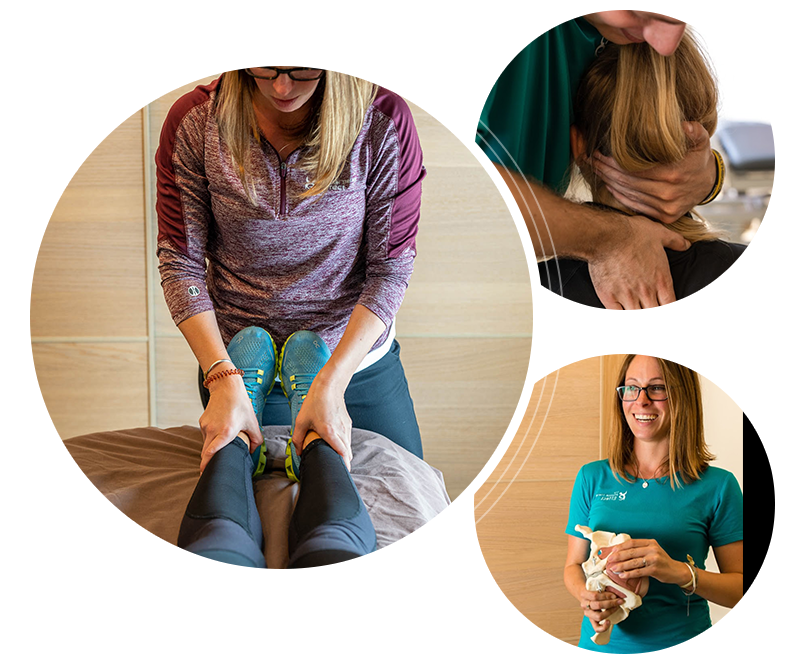
Physical Therapy for Complex Regional Pain Syndrome
Complex regional pain syndrome, often called CRPS, is a pain condition that can develop after an injury, surgery, fracture, sprain, immobilization, or other trauma. It may cause pain that feels out of proportion to the original injury, along with sensitivity, swelling, stiffness, weakness, skin color changes, temperature changes, sweating changes, nail or hair changes, and difficulty moving or using the affected area.
Physical therapy for complex regional pain syndrome is not one-size-fits-all. The right treatment plan depends on symptom irritability, pain sensitivity, affected body region, mobility, swelling, strength, balance, function, fear of movement, medical history, healing status, and whether other medical providers are involved. A physical therapy evaluation can help determine how to begin movement safely, reduce guarding, gradually improve tolerance, and support your return to daily activity.
What is Complex Regional Pain Syndrome?
Complex regional pain syndrome is a condition involving ongoing pain and nervous system sensitivity, often in an arm, hand, leg, ankle, or foot. Symptoms may begin after an injury or surgery, but the pain and sensitivity can continue beyond the expected healing timeline. The affected area may feel painful, swollen, stiff, hot, cold, sensitive to touch, or difficult to move.
CRPS can affect how the nervous system processes pain, movement, temperature, circulation, and touch. Because of this, treatment often requires a gradual and patient approach. Physical therapy focuses on helping the body tolerate movement again, improving functional use, calming protective guarding, and rebuilding strength and confidence over time.
What causes Complex Regional Pain Syndrome?
Complex regional pain syndrome may develop after a fracture, sprain, strain, surgery, nerve irritation, crush injury, immobilization, or other trauma. In some cases, the original injury may appear relatively minor, while symptoms become more persistent or intense than expected.
Contributing factors may include prolonged immobilization, high pain sensitivity, swelling, nervous system sensitization, fear of movement, protective guarding, reduced use of the affected limb, sleep disruption, stress, previous pain history, and difficulty returning to normal movement. A physical therapist can help identify which mobility, strength, sensitivity, and functional factors may be limiting recovery.
Get Answers About Complex Regional Pain Syndrome
Common symptoms of Complex Regional Pain Syndrome
Complex regional pain syndrome symptoms can vary widely from person to person. Symptoms may affect the hand, wrist, shoulder, foot, ankle, knee, or another area and may change based on movement, touch, temperature, stress, swelling, activity level, sleep, and how sensitive the nervous system is at the time.
Persistent pain, burning, aching, or sensitivity
One of the most common symptoms of complex regional pain syndrome is ongoing pain that may feel burning, aching, throbbing, sharp, deep, or highly sensitive. The affected area may hurt with movement, touch, pressure, temperature changes, or normal daily use.
Some people notice that even light touch, clothing, water, or a bedsheet feels painful. Physical therapy can help introduce movement and sensation gradually in a way that respects symptom irritability and avoids forcing painful activity too quickly.
Common signs of persistent pain or sensitivity
- Burning, aching, throbbing, sharp, or deep pain in the affected area
- Pain that feels stronger than expected for the original injury
- Sensitivity to light touch, pressure, clothing, water, or temperature
- Pain that increases with movement or use of the limb
- Symptoms that fluctuate throughout the day or after activity
How physical therapy may help pain and sensitivity
Physical therapy may include gentle movement, graded exposure, desensitization strategies, breathing and relaxation tools, education about pain sensitivity, mirror therapy or laterality training when appropriate, and gradual functional activity. The goal is to help the nervous system tolerate movement and touch more comfortably over time.
Swelling, color changes, or temperature changes
CRPS may cause swelling, skin color changes, temperature changes, or changes in sweating. The affected hand, foot, arm, or leg may look red, pale, purple, blotchy, warm, cold, shiny, or swollen compared to the other side.
These symptoms can make movement feel uncomfortable or concerning. Physical therapy can help support safe movement, circulation, swelling management, and functional use while encouraging appropriate medical coordination when symptoms are changing or severe.
Common signs of swelling or circulation-related changes
- Swelling in the hand, foot, ankle, wrist, or affected limb
- Skin that appears red, pale, purple, shiny, or blotchy
- The affected area feeling warmer or colder than the opposite side
- Changes in sweating, skin texture, hair, or nail appearance
- Symptoms that change with activity, position, temperature, or stress
How physical therapy may help swelling or temperature sensitivity
Physical therapy may include gentle range of motion, elevation strategies when appropriate, graded movement, muscle pumping exercises, activity pacing, breathing strategies, and gradual weight-bearing or functional use. Your therapist can also help determine when symptoms should be discussed with your medical provider.
Schedule Physical Therapy for CRPS
Stiffness, weakness, or reduced movement
Complex regional pain syndrome can make the affected area feel stiff, weak, guarded, or difficult to move. Pain and sensitivity may lead to avoiding use of the limb, which can cause further stiffness, weakness, swelling, and reduced function.
Restoring movement often requires a gradual approach. Physical therapy can help you begin with tolerable motion and progress toward strength and function without overwhelming the nervous system.
Common signs of stiffness or weakness
- Difficulty bending, straightening, lifting, gripping, walking, or bearing weight
- Reduced range of motion compared to the opposite side
- Weakness or fatigue with daily tasks
- Guarding, fear of movement, or avoiding use of the affected area
- Difficulty returning to normal work, exercise, or home activities
How physical therapy may help stiffness and weakness
Physical therapy may include gentle mobility, graded strengthening, functional movement practice, balance or gait training when appropriate, hand or foot use progressions, motor control exercises, and pacing strategies. The goal is to rebuild movement capacity step by step.
Difficulty using the affected limb during daily activity
CRPS can make everyday tasks difficult. Hand or arm symptoms may interfere with gripping, typing, writing, dressing, cooking, lifting, reaching, or driving. Foot or leg symptoms may interfere with standing, walking, stairs, balance, shoes, work, exercise, or errands.
Because symptoms can be sensitive and unpredictable, many people need help finding a safe way to resume activity without triggering repeated flare-ups. Physical therapy can help build a plan for gradual return to daily function.
Common signs of daily activity limitations
- Difficulty using the affected hand, arm, foot, or leg normally
- Pain or sensitivity with work tasks, home tasks, or self-care
- Reduced walking, gripping, lifting, reaching, or standing tolerance
- Avoiding activity because symptoms flare afterward
- Feeling unsure how much movement is safe or appropriate
How physical therapy may help daily function
Physical therapy may include graded functional activity, task-specific practice, pacing strategies, movement confidence training, strengthening, mobility work, balance or gait training, desensitization, and home guidance. The goal is to help you gradually return to activities that matter most while monitoring symptom response.
Get Help With Complex Regional Pain Syndrome
Related conditions and symptoms physical therapy may address
Complex regional pain syndrome can overlap with several pain, nerve, orthopedic, post-injury, and post-surgical concerns. A physical therapy evaluation can help identify whether symptoms appear related to CRPS, ongoing tissue healing, nerve sensitivity, stiffness, weakness, swelling, fear of movement, or another condition that may need medical follow-up.
Post-fracture pain and stiffness
CRPS can develop after fractures, especially when there has been immobilization, swelling, stiffness, or prolonged pain. The affected area may remain sensitive and difficult to use after the bone has healed.
Physical therapy may help restore mobility, strength, desensitization, functional use, and confidence while following medical guidance.
Post-surgical pain and sensitivity
Some people develop CRPS-like symptoms after surgery, including ongoing pain, swelling, hypersensitivity, stiffness, and difficulty using the surgical area. Rehab should respect tissue healing and surgical precautions.
Physical therapy may include graded movement, scar sensitivity strategies when appropriate and cleared, mobility, strengthening, and coordination with the surgical team when needed.
Nerve sensitivity or hypersensitivity
Nerve sensitivity can cause burning, tingling, shooting pain, numbness, or sensitivity to touch. In CRPS, the nervous system may become more protective and reactive than expected.
Physical therapy may include desensitization, graded exposure, gentle nerve-related movement when appropriate, relaxation strategies, and functional progression.
Hand, wrist, foot, or ankle stiffness
CRPS commonly affects the hand, wrist, foot, or ankle, where stiffness and swelling can quickly limit daily function. Reduced movement may make symptoms harder to manage over time.
Physical therapy may include gentle mobility, strengthening, functional use, swelling strategies, and gradual return to meaningful tasks.
Fear of movement or activity avoidance
When movement repeatedly causes pain, it is understandable to become cautious or fearful. Over time, avoiding movement can contribute to weakness, stiffness, and reduced confidence.
Physical therapy may help by using graded exposure, education, pacing, and step-by-step movement progressions that feel manageable.
Chronic pain after injury
CRPS is one type of persistent pain that may occur after injury. Ongoing pain can affect sleep, mood, movement, activity levels, and quality of life.
Physical therapy may help by addressing movement tolerance, strength, function, nervous system sensitivity, breathing strategies, and daily activity planning while coordinating with medical care when appropriate.
Start Treatment for Complex Regional Pain Syndrome
Can physical therapy help Complex Regional Pain Syndrome?
Physical therapy can often help complex regional pain syndrome by addressing movement tolerance, mobility, swelling, sensitivity, strength, balance, gait mechanics when relevant, functional use, pacing, breathing strategies, and nervous system sensitivity. Treatment is usually gradual and should be adjusted carefully based on symptom response.
The treatment plan should match your symptoms and stage of recovery. Some patients need very gentle desensitization, movement, and education first, while others may progress into strengthening, weight-bearing, balance, gait training, work tasks, exercise, and higher-level activities as tolerance improves. Physical therapy may also be part of a broader care plan involving physicians, pain specialists, occupational therapy, psychology, or other providers when appropriate.
What your physical therapist may evaluate
- Pain location, intensity, sensitivity, burning, aching, swelling, temperature changes, color changes, and symptom behavior
- Injury or surgery history, immobilization history, medical diagnosis, imaging reports when available, and current precautions
- Range of motion, stiffness, guarding, strength, endurance, balance, gait, posture, and functional movement
- Sensitivity to touch, pressure, clothing, water, temperature, weight-bearing, gripping, or daily use
- Ability to use the affected hand, arm, foot, or leg during home, work, exercise, and self-care tasks
- Fear of movement, activity avoidance, pacing, sleep disruption, stress, and flare-up patterns
- Response to gentle movement, graded activity, desensitization, mirror therapy, laterality work, and functional tasks when appropriate
- Symptoms that may suggest infection, blood clot concerns, fracture, progressive neurological symptoms, vascular concerns, or need for medical follow-up
What treatment may include
Treatment for complex regional pain syndrome may include education about pain sensitivity, graded exposure, gentle range of motion, desensitization strategies, mirror therapy when appropriate, laterality training when appropriate, breathing and relaxation strategies, swelling management, progressive strengthening, balance training, gait training when appropriate, functional task practice, posture and movement retraining, activity pacing, home exercise guidance, and coordination with other medical providers when needed.
The goal is to help the nervous system and affected body region tolerate movement, touch, loading, and daily activity more comfortably. Your therapist may help you progress gradually from small, manageable movements toward meaningful tasks such as walking, gripping, reaching, dressing, working, exercising, or returning to hobbies.
Find Out If Physical Therapy Can Help
When should I see a physical therapist?
You may want to see a physical therapist if ongoing pain, sensitivity, swelling, stiffness, weakness, temperature changes, color changes, or difficulty using an arm, hand, leg, or foot is limiting daily activity after an injury, surgery, fracture, or period of immobilization. Symptoms do not need to be severe before asking for help, especially if they are causing you to avoid movement or lose function.
Early guidance can help you understand what may be contributing to symptoms, how to move without overwhelming the affected area, and how to gradually rebuild activity tolerance. For suspected CRPS, coordination with a physician or pain specialist may also be helpful.
You may benefit from physical therapy if:
- You have been diagnosed with complex regional pain syndrome or have CRPS-like symptoms
- You have persistent pain, burning, sensitivity, swelling, or stiffness after an injury or surgery
- The affected area feels unusually hot, cold, red, purple, shiny, swollen, or sensitive
- You are avoiding movement because touch, pressure, or activity feels painful
- You have difficulty gripping, reaching, walking, standing, dressing, working, or exercising
- You feel weaker, stiffer, or less confident using the affected limb
- You want help gradually returning to daily activity without repeated flare-ups
- You need a clear plan for desensitization, movement, strength, pacing, and function
When to seek medical care sooner
Seek medical care sooner if symptoms are rapidly worsening, if you have new severe swelling, redness, warmth, fever, open wounds, drainage, severe calf swelling, chest pain, shortness of breath, new numbness or weakness, color changes that are severe or sudden, coldness, inability to bear weight after an injury, severe pain after trauma, or symptoms that feel urgent or unusual. Infection, blood clot concerns, fracture, vascular concerns, or progressive neurological symptoms should be evaluated promptly.
If you are unsure where to start, call us. We can help you decide whether physical therapy is an appropriate next step or whether medical evaluation may be needed first.
Schedule a Complex Regional Pain Syndrome Evaluation
Do I need a doctor referral first?
Often, many patients can begin physical therapy without seeing a doctor first, although requirements may depend on your insurance plan, symptoms, and state rules.
For suspected CRPS, it may also be helpful to have a physician, pain specialist, or appropriate medical provider involved, especially if symptoms are severe, rapidly worsening, or associated with significant swelling, color changes, temperature changes, nerve symptoms, or function loss. For post-surgical or post-fracture cases, rehab should follow medical guidance, precautions, and healing timelines. The easiest way to know what is needed is to call us. We can help you understand whether your insurance requires a referral, whether physical therapy is a good place to start, and what steps are needed to schedule an appointment.
Ask About Scheduling Physical Therapy
Why Choose PT Effect for Treatment?
Choosing the right physical therapy office can make a major difference in how supported, understood, and confident you feel during care. At PT Effect, treatment is built around personalized attention, hands-on guidance, and a plan that helps you move better with less pain.
- You get one-on-one care with a Licensed Doctor of Physical Therapy. Every session is focused on you, your symptoms, your sensitivity level, your movement tolerance, your daily demands, and your goals. This allows your therapist to give you more attention, adjust your plan as symptoms change, and help you understand what is happening with complex regional pain syndrome, movement guarding, nervous system sensitivity, and function.
- You get a treatment plan made for your specific problem or recovery. Your pain sensitivity, swelling, stiffness, temperature changes, color changes, injury history, surgery history, mobility, strength, balance, work demands, home demands, activity goals, and medical guidance are all part of the plan. Instead of forcing a generic exercise routine, your care is based on what your body can tolerate and what you need to regain function gradually.
- You get hands-on care that helps identify how your body is moving. PT Effect uses manual therapy when appropriate and detailed movement assessment to better understand mobility, guarding, posture, strength, balance, gait mechanics when relevant, sensitivity triggers, swelling patterns, and functional limitations. This helps your therapist treat the full movement picture instead of only focusing on the painful area.
- You get help sooner, without unnecessary delays. Complex regional pain syndrome symptoms can interfere with walking, gripping, reaching, working, sleeping, exercise, and daily comfort quickly. PT Effect works to schedule patients as quickly as possible so you can get guidance and begin moving toward better function.
- You get support for both symptom relief and long-term movement goals. Treatment is not just about getting through a flare-up. Your therapist can help you improve movement tolerance, reduce guarding, rebuild strength, improve balance, increase functional use, manage sensitivity, and develop strategies that support daily activity, work, exercise, and hobbies over time.
- You get care in a modern, well-equipped physical therapy office. PT Effect’s offices are designed to support effective treatment, movement assessment, mobility work, strengthening, balance work, gait training when appropriate, functional movement practice, graded activity, and hands-on therapy. The goal is to give you the space, tools, and guidance needed to make meaningful progress.
- You get a team that treats the way you move, not just where you feel symptoms. Your symptoms may be influenced by nervous system sensitivity, swelling, guarding, stiffness, weakness, posture, gait mechanics, gripping habits, fear of movement, sleep, stress, work habits, activity demands, or nearby joints and muscles. Your therapist can look at the full picture and help address the factors that affect symptoms and future movement confidence.
- You get clear guidance for what to do between visits. Progress does not only happen in the clinic. Your therapist can give you practical home exercises, graded movement tools, desensitization strategies, breathing strategies, pacing guidance, strengthening progressions, mobility exercises, flare-up management tools, and movement guidance so you know how to keep improving outside of your appointments.
- You get help understanding your scheduling and insurance options. PT Effect makes it easy to request an appointment, ask for more information, or have the team check your insurance. This helps remove guesswork and gives you a clearer next step.
- You get two convenient locations. PT Effect serves patients in both San Diego and San Marcos, so you can choose the office that works best for your routine.
Start Treatment With PT Effect
Complex regional pain syndrome can make daily activity feel overwhelming, especially when persistent pain, sensitivity, swelling, stiffness, weakness, color or temperature changes, guarding, or difficulty using the affected arm, hand, leg, or foot interferes with normal routines. PT Effect can help you better understand what may be contributing to your symptoms and create a treatment plan focused on gradual movement, desensitization, strength, pacing, function, and confidence.