
Biceps Tendinopathy Orthopedic Physical Therapy
Biceps tendinopathy can cause pain in the front of the shoulder, upper arm discomfort, tenderness, weakness, pain with lifting, or difficulty reaching, carrying, pushing, pulling, exercising, sleeping, and using the arm comfortably. Physical therapy for biceps tendinopathy may help reduce irritation, improve shoulder mechanics, rebuild strength, and support a safer return to daily activity.
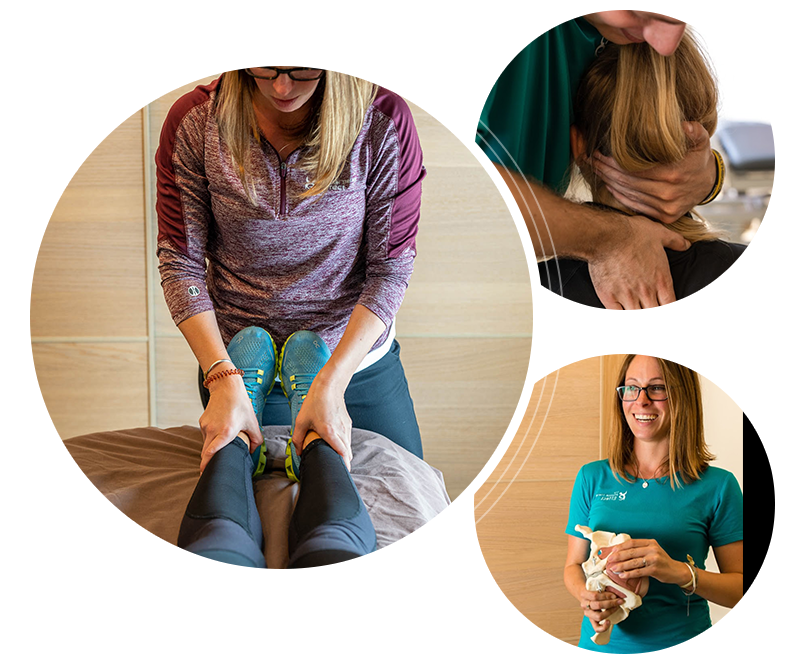
Physical Therapy for Biceps Tendinopathy
Biceps tendinopathy refers to irritation, sensitivity, or overload of the biceps tendon near the shoulder. The biceps tendon helps connect the biceps muscle to the shoulder and can become irritated during lifting, reaching, carrying, pulling, throwing, overhead activity, exercise, or repetitive arm use. Symptoms are often felt near the front of the shoulder or upper arm.
Physical therapy for biceps tendinopathy is not one-size-fits-all. The right treatment plan depends on your symptoms, shoulder mobility, biceps load tolerance, rotator cuff strength, shoulder blade control, upper back mobility, neck mobility, work demands, sleep position, exercise routine, sport goals, and how irritated the tendon currently is. A physical therapy evaluation can help determine which movement, strength, mobility, or activity factors may be contributing to your symptoms.
What is Biceps Tendinopathy?
Biceps tendinopathy is a condition involving irritation or reduced load tolerance of the biceps tendon. In the shoulder, the long head of the biceps tendon travels through the front of the shoulder and attaches near the top of the shoulder socket. Because of this location, biceps tendon symptoms can overlap with other shoulder conditions such as rotator cuff tendinopathy, shoulder impingement, labral irritation, or shoulder instability.
Biceps tendinopathy does not always mean the tendon is torn. Many people develop symptoms after a change in activity, repeated lifting, increased workouts, overhead sports, or tasks that place more demand on the shoulder and arm than the tendon is ready to handle. Physical therapy focuses on reducing irritation, improving shoulder mechanics, and gradually rebuilding tendon strength and capacity.
What causes Biceps Tendinopathy?
Biceps tendinopathy may be related to repetitive lifting, carrying, pulling, pushing, reaching, throwing, swimming, weight training, overhead activity, work demands, sports, sudden increases in exercise, poor recovery, shoulder stiffness, rotator cuff weakness, shoulder blade control deficits, or irritation from nearby shoulder structures.
Contributing factors may include reduced rotator cuff strength, limited shoulder mobility, poor shoulder blade endurance, upper back stiffness, neck involvement, poor biceps load tolerance, training changes, grip or elbow demands, sleep position, or repetitive reaching and lifting habits. A physical therapist can help identify which factors appear most relevant to your symptoms and goals.
Get Answers About Biceps Tendinopathy
Common symptoms of Biceps Tendinopathy
Biceps tendinopathy symptoms are often felt near the front of the shoulder, the groove of the upper arm, or the upper biceps region. Symptoms may change based on lifting, reaching, carrying, pulling, exercise, sleeping position, work tasks, and how sensitive the tendon has become.
Front shoulder pain or tenderness
One of the most common symptoms of biceps tendinopathy is pain near the front of the shoulder. The area may feel tender, achy, sharp, sore, or sensitive when pressing near the biceps tendon or when using the arm for lifting and reaching.
This symptom pattern may be influenced by biceps tendon irritation, rotator cuff weakness, shoulder blade mechanics, shoulder stiffness, upper back mobility, or the way the shoulder handles load during daily tasks. Pain with movement does not always mean the tendon is being damaged, but it may mean the tendon needs a more gradual strengthening and loading plan.
Common signs of front shoulder pain or tenderness
- Pain near the front of the shoulder or upper arm
- Tenderness along the biceps tendon region
- Aching or sharp discomfort with lifting or reaching
- Symptoms that increase after workouts or repetitive arm use
- Temporary relief with rest, support, or activity modification
How physical therapy may help front shoulder pain or tenderness
Physical therapy may help reduce irritation by modifying painful loading, improving shoulder mobility, strengthening the rotator cuff and shoulder blade muscles, and gradually rebuilding biceps tendon tolerance. Your therapist may help identify which movements need temporary adjustment and which exercises can safely build capacity.
Pain with lifting, carrying, pushing, or pulling
Biceps tendinopathy often becomes more noticeable during activities that load the arm. Lifting groceries, carrying bags, pulling doors, pushing up from a chair, lifting weights, holding objects away from the body, or doing repetitive work tasks may increase symptoms.
This pattern may be related to biceps tendon sensitivity, reduced shoulder strength, poor load tolerance, grip demands, elbow position, shoulder blade control, or lifting mechanics. Physical therapy can help rebuild strength while reducing repeated flare-ups.
Common signs of pain with lifting, carrying, pushing, or pulling
- Pain when lifting objects with the palm up or arm extended
- Discomfort while carrying groceries, bags, tools, or equipment
- Symptoms with pulling, pushing, rowing, curls, or pressing
- Shoulder or upper arm aching after repeated lifting
- Reduced confidence using the affected arm for heavier tasks
How physical therapy may help pain with lifting, carrying, pushing, or pulling
Physical therapy may include progressive biceps loading, rotator cuff strengthening, shoulder blade strengthening, grip and upper body conditioning, lifting mechanics, and graded exposure to the tasks that currently feel difficult. The goal is to improve strength, endurance, and confidence with real-life arm use.
Schedule Physical Therapy for Biceps Tendinopathy
Pain with reaching, overhead activity, or exercise
Biceps tendinopathy may cause symptoms during reaching overhead, reaching behind the back, reaching across the body, throwing, swimming, climbing, weightlifting, racquet sports, or repetitive arm use. Pain may be felt during the activity or later as an ache in the front of the shoulder.
This pattern may be influenced by tendon load tolerance, shoulder mobility, rotator cuff strength, shoulder blade endurance, upper back stiffness, fatigue, training volume, or technique. Repeated activity may become more manageable once the shoulder and biceps tendon are stronger and better supported.
Common signs of pain with reaching, overhead activity, or exercise
- Front shoulder pain with overhead reaching or lifting
- Symptoms with throwing, swimming, climbing, or racquet sports
- Pain during curls, rows, presses, pull-ups, or upper body workouts
- Discomfort that lingers after exercise or repetitive work
- Needing to reduce workouts or sports because symptoms keep returning
How physical therapy may help pain with reaching, overhead activity, or exercise
Physical therapy may help identify training, work, or movement factors that are increasing irritation. Treatment may include biceps and rotator cuff strengthening, shoulder blade strengthening, overhead mechanics, upper back mobility, and a gradual return-to-activity plan.
Shoulder weakness, fatigue, or pain at night
Some people with biceps tendinopathy notice shoulder weakness, arm fatigue, or discomfort when sleeping on the affected side. The shoulder may ache after a busy day of lifting, reaching, carrying, or exercise. Night discomfort may also occur when the shoulder is compressed or positioned in a way that irritates the tendon.
Weakness may be related to pain inhibition, biceps tendon sensitivity, rotator cuff weakness, shoulder blade weakness, or avoiding the arm because of symptoms. Sleep issues may make the shoulder feel more sensitive during the day.
Common signs of shoulder weakness, fatigue, or pain at night
- Arm fatigue during lifting, carrying, work, or workouts
- Weakness with pushing, pulling, or reaching
- Pain when lying on the affected shoulder
- Aching at night or after heavier arm use
- Reduced confidence using the arm for normal tasks
How physical therapy may help shoulder weakness, fatigue, or pain at night
Physical therapy may help improve shoulder strength, endurance, and tendon load tolerance while also providing sleep positioning strategies. Your therapist may adjust exercise intensity and daily activity so the tendon can calm down while still rebuilding capacity.
Get Help With Front Shoulder and Biceps Pain
Related conditions and symptoms physical therapy may address
Biceps tendinopathy can overlap with several shoulder, labral, rotator cuff, neck, elbow, and upper arm conditions. A physical therapy evaluation can help identify whether symptoms appear related to biceps tendon irritation, shoulder mechanics, labral involvement, rotator cuff weakness, shoulder blade control, or another contributing factor.
Rotator cuff tendinopathy
Rotator cuff tendinopathy refers to irritation or reduced load tolerance of the rotator cuff tendons. It commonly causes pain with reaching, lifting, overhead activity, and sleeping on the shoulder, and it may overlap with biceps tendon symptoms.
Physical therapy may help improve rotator cuff strength, shoulder mobility, shoulder blade control, and gradual loading so the shoulder can better tolerate daily activity and exercise.
Shoulder impingement symptoms
Shoulder impingement symptoms often describe pain or pinching when the arm is raised overhead or moved away from the body. Biceps tendon irritation may contribute to this pattern, but shoulder mobility and shoulder blade mechanics may also be involved.
Physical therapy may address rotator cuff strength, shoulder blade control, upper back mobility, shoulder range of motion, and gradual return to reaching and lifting.
Shoulder labral tear or SLAP tear
The long head of the biceps tendon attaches near the upper labrum. A SLAP tear or labral irritation may cause deep shoulder pain, clicking, catching, instability, or pain with throwing, lifting, and overhead activity.
Physical therapy may assess shoulder stability, biceps loading, rotator cuff strength, shoulder blade mechanics, and activity triggers. Significant mechanical symptoms or instability may require medical evaluation.
Shoulder bursitis
Shoulder bursitis involves irritation of a bursa around the shoulder. It may cause pain with reaching, lifting, overhead activity, or lying on the affected side and can overlap with biceps and rotator cuff symptoms.
Physical therapy may help reduce irritation by improving shoulder mechanics, modifying aggravating activities, restoring mobility, and strengthening supportive muscles.
Rotator cuff tear
A rotator cuff tear may cause shoulder pain, weakness, difficulty lifting the arm, night pain, or loss of function. Some tears are traumatic, while others develop gradually over time and may coexist with biceps tendon symptoms.
Physical therapy may help improve strength, mobility, and function depending on the tear size, symptoms, goals, and medical recommendations. Sudden weakness after injury should be evaluated carefully.
Neck-related shoulder or arm pain
Neck issues can sometimes refer pain into the shoulder, upper arm, or shoulder blade region. Symptoms may overlap with biceps tendinopathy, especially when neck movement changes shoulder symptoms or numbness and tingling are present.
Physical therapy may assess neck mobility, nerve symptoms, posture tolerance, upper back mobility, and shoulder strength to determine whether the neck is contributing to the full symptom pattern.
Start Treatment for Biceps Tendinopathy
Can physical therapy help Biceps Tendinopathy?
Physical therapy can often help biceps tendinopathy by addressing tendon load tolerance, shoulder mobility, rotator cuff strength, shoulder blade control, upper back mobility, posture tolerance, lifting mechanics, and activity habits that may contribute to irritation. Treatment may help reduce pain, improve strength, and restore confidence with arm use.
The treatment plan should match your symptoms and goals. Some patients need gentle mobility and symptom management first, while others benefit from progressive tendon loading, upper body strengthening, overhead mechanics, work-specific training, sport-specific drills, and a structured return to lifting or exercise.
What your physical therapist may evaluate
- Shoulder range of motion and symptom response to movement
- Biceps tendon tenderness, loading tolerance, and pain with resisted activity
- Rotator cuff strength, shoulder blade control, and upper back mobility
- Neck mobility and nerve-related symptoms when appropriate
- Reaching, lifting, carrying, pushing, pulling, gripping, and overhead mechanics
- Sleep position, work setup, exercise routine, and activity triggers
- Sport demands such as throwing, swimming, racquet sports, climbing, or weightlifting
- Symptoms that may suggest labral involvement, tear, nerve symptoms, or need for medical evaluation
What treatment may include
Treatment for biceps tendinopathy may include shoulder mobility exercises, progressive biceps loading, rotator cuff strengthening, shoulder blade strengthening, upper back mobility, posture and ergonomic guidance, manual therapy when appropriate, stretching, activity modification, lifting mechanics, overhead movement training, sport-specific progression, and a home exercise program.
The goal is to reduce irritation, restore comfortable movement, improve strength and endurance, and help you return to work, sleep, lifting, reaching, exercise, sport, and daily activity. Your therapist may also help you understand how to manage flare-ups and gradually increase tendon loading without repeatedly aggravating symptoms.
Find Out If Physical Therapy Can Help
When should I see a physical therapist?
You may want to see a physical therapist if front shoulder pain, upper arm pain, tenderness, weakness, night pain, or difficulty lifting and reaching is affecting your daily life. Symptoms do not need to be severe before asking for help, especially if they are changing how you sleep, work, exercise, dress, reach, lift, carry, or use your arm.
Early guidance can help you understand what may be contributing to symptoms, what activities may need temporary modification, and what exercises or loading strategies may be appropriate for your current stage of recovery.
You may benefit from physical therapy if:
- You have pain near the front of the shoulder or upper arm
- You have symptoms with lifting, carrying, pushing, pulling, or reaching
- You feel tenderness near the biceps tendon region
- Your symptoms increase with workouts, sports, or repetitive work tasks
- You have pain when sleeping on the affected shoulder
- Your shoulder improves temporarily but keeps flaring up
- You are avoiding exercise, lifting, work tasks, or hobbies because of symptoms
- You want a clear plan for mobility, strength, tendon loading, and return to activity
When to seek medical care sooner
Seek medical care sooner if shoulder or arm pain began after a fall, dislocation, or major trauma, if you have a sudden pop with bruising or a visible change in the biceps muscle, sudden inability to lift the arm, major weakness, visible deformity, severe swelling, signs of infection, fever, unexplained weight loss, chest pain, shortness of breath, new numbness or weakness into the arm or hand, or symptoms that are rapidly worsening. If symptoms feel urgent or unusual, seek medical evaluation promptly.
If you are unsure where to start, call us. We can help you decide whether physical therapy is an appropriate next step or whether medical evaluation may be needed first.
Schedule a Biceps Tendinopathy Evaluation
Do I need a doctor referral first?
Often, no. Many patients can begin physical therapy without seeing a doctor first, although requirements may depend on your insurance plan, symptoms, and state rules.
For traumatic shoulder injuries, sudden major weakness, suspected biceps tendon rupture, suspected rotator cuff tear after injury, dislocation, or concerning symptoms, medical evaluation may be recommended first or alongside physical therapy. The easiest way to know is to call us. We can help you understand whether your insurance requires a referral, whether physical therapy is a good place to start, and what steps are needed to schedule an appointment.
Ask About Scheduling Physical Therapy
Why Choose PT Effect for Treatment?
Choosing the right physical therapy office can make a major difference in how supported, understood, and confident you feel during recovery. At PT Effect, treatment is built around personalized care, hands-on attention, and a plan that helps you move better with less pain.
- You get one-on-one care with a Licensed Doctor of Physical Therapy. Every session is focused on you, your symptoms, and your goals. This allows your therapist to give you more attention, adjust your plan as you improve, and help you understand what is happening with your shoulder and arm.
- You get a treatment plan made for your specific problem. Your biceps tendinopathy symptoms, movement limitations, daily activity demands, work tasks, exercise routine, sport goals, sleep position, and lifestyle are all part of the plan. Instead of a generic exercise routine, your care is based on what you need to return to daily activities, work, exercise, or sports.
- You get hands-on care that helps identify how your body is moving. PT Effect uses manual therapy and detailed movement assessment to better understand shoulder mobility, tendon loading, strength, shoulder blade mechanics, upper back mobility, and pain triggers. This helps your therapist treat the source of the problem instead of only chasing symptoms.
- You get help sooner, without waiting weeks to start care. Shoulder and upper arm pain can interrupt sleep, work, workouts, and daily activity quickly, and getting started sooner can help you avoid unnecessary delays. PT Effect works to schedule patients as quickly as possible so you can begin moving toward recovery.
- You get support for both pain relief and long-term movement goals. Treatment is not just about feeling better for the day. Your therapist can help you build strength, mobility, endurance, control, and confidence so you can move more comfortably and reduce the chance of symptoms limiting your routine.
- You get care in a modern, well-equipped physical therapy office. PT Effect’s offices are designed to support effective treatment, exercise, strengthening, mobility work, shoulder mechanics training, and hands-on therapy. The goal is to give you the space, tools, and guidance needed to make meaningful progress.
- You get a team that treats the way you move, not just where you hurt. Your symptoms may be influenced by mobility, strength, posture, upper back movement, neck mechanics, shoulder blade control, work habits, sport demands, lifting mechanics, tendon loading, or nearby joints and muscles. Your therapist can look at the full picture and help address the factors contributing to your symptoms.
- You get clear guidance for what to do between visits. Recovery does not only happen in the clinic. Your therapist can give you practical home exercises, activity modifications, sleep positioning strategies, posture guidance, loading progressions, and movement tools so you know how to keep improving outside of your appointments.
- You get help understanding your scheduling and insurance options. PT Effect makes it easy to request an appointment, ask for more information, or have the team check your insurance. This helps remove guesswork and gives you a clearer next step.
- You get two convenient locations. PT Effect serves patients in both San Diego and San Marcos, so you can choose the office that works best for your routine.
Start Treatment With PT Effect
Biceps tendinopathy can make everyday activity frustrating, especially when front shoulder pain, upper arm discomfort, tenderness, weakness, or pain with lifting and reaching interferes with sleep, work, exercise, sports, or daily routines. PT Effect can help you better understand what may be contributing to your symptoms and create a treatment plan focused on reducing irritation, improving shoulder mechanics, rebuilding strength, and helping you return to using your arm with more confidence.