Rotator Cuff Repair Rehabilitation Orthopedic Physical Therapy
Rotator cuff repair rehabilitation can help after shoulder surgery causes pain, stiffness, weakness, limited range of motion, difficulty sleeping, or trouble returning to reaching, lifting, work, exercise, and daily activity. Physical therapy after rotator cuff repair may help protect healing, restore mobility, rebuild strength, improve shoulder mechanics, and guide a gradual return to normal arm use.
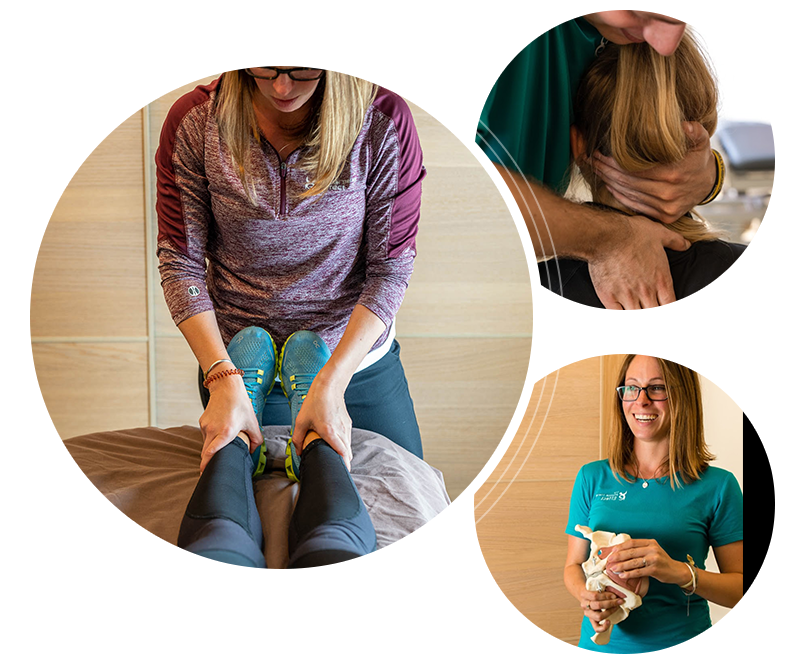
Physical Therapy After Rotator Cuff Repair
Rotator cuff repair is a shoulder surgery performed to repair a torn rotator cuff tendon. The rotator cuff is a group of muscles and tendons that helps stabilize the shoulder and control arm movement during reaching, lifting, pushing, pulling, dressing, grooming, work tasks, exercise, and sports. After surgery, the repaired tendon needs time to heal while the shoulder gradually regains motion, strength, and function.
Physical therapy after rotator cuff repair is not one-size-fits-all. The right rehab plan depends on your surgeon’s protocol, tear size, repair type, healing stage, pain level, shoulder stiffness, range of motion, strength, work demands, sleep position, lifestyle, sport goals, and any precautions you were given. A physical therapy evaluation can help determine how to safely progress from protection and gentle mobility to strengthening and return to activity.
What is Rotator Cuff Repair Rehabilitation?
Rotator cuff repair rehabilitation is the process of safely restoring shoulder motion, strength, control, and function after surgical repair of a rotator cuff tear. Early rehab is usually focused on protecting the repair, managing pain, reducing stiffness, and learning safe ways to move. Later rehab focuses on rebuilding strength, improving shoulder blade mechanics, restoring endurance, and gradually returning to reaching, lifting, exercise, work, and sport.
Recovery after rotator cuff repair can vary widely. Some patients mainly need help with stiffness and safe movement, while others need a longer strength-building phase before returning to heavy lifting, overhead work, sports, or physically demanding activities. Because the tendon repair must be protected while it heals, rehab should follow the surgeon’s timeline and progress based on how the shoulder responds.
Why is physical therapy important after Rotator Cuff Repair?
Physical therapy is important after rotator cuff repair because the shoulder can become stiff, weak, guarded, or difficult to use during the healing process. At the same time, progressing too quickly can place unnecessary stress on the repaired tendon. A structured rehab plan helps balance protection with gradual recovery.
Contributing factors after surgery may include pain, swelling, muscle guarding, sling use, reduced shoulder mobility, shoulder blade weakness, rotator cuff weakness, sleep disruption, neck or upper back stiffness, and uncertainty about which movements are safe. A physical therapist can help you understand your precautions, restore motion at the right time, and rebuild strength without rushing the repair.
Get Answers About Rotator Cuff Repair Rehab
Common concerns after Rotator Cuff Repair
Symptoms and limitations after rotator cuff repair depend on the size of the tear, the surgical technique, your healing response, your activity level before surgery, and the demands you want to return to. Rehab should be based on your specific recovery and your surgeon’s instructions rather than a generic timeline.
Shoulder pain, soreness, or guarding after surgery
Some shoulder pain, soreness, aching, or guarding is common after rotator cuff repair. The shoulder may feel sensitive during dressing, showering, sleeping, changing positions, or early movement. The neck, upper back, elbow, wrist, and hand may also feel stiff from sling use or reduced arm movement.
This symptom pattern may be influenced by normal post-surgical healing, muscle guarding, swelling, sleep disruption, and the shoulder’s response to being protected. Early physical therapy often focuses on safe positioning, gentle mobility, pain management strategies, and maintaining motion in nearby areas.
Common signs of shoulder pain, soreness, or guarding after surgery
- Aching or soreness around the shoulder after surgery
- Guarding when changing positions, dressing, or sleeping
- Neck, upper back, elbow, wrist, or hand stiffness from sling use
- Difficulty relaxing the arm during early movement
- Symptoms that improve with support, positioning, or guided movement
How physical therapy may help shoulder pain, soreness, or guarding
Physical therapy may help by teaching safe positioning, gentle motion within your precautions, sling-related comfort strategies, and ways to reduce unnecessary guarding. Your therapist may also help maintain mobility in the neck, elbow, wrist, and hand while protecting the repaired shoulder.
Limited shoulder range of motion or stiffness
Shoulder stiffness is common during rotator cuff repair rehab, especially after a period of protection in a sling. Reaching overhead, reaching behind the back, washing hair, dressing, or lifting the arm may be limited at first.
Restoring motion after rotator cuff repair must be gradual. Early movement may be passive or assisted, depending on your surgeon’s protocol. As healing progresses, rehab may move toward active motion, functional reaching, and eventually strengthening.
Common signs of limited shoulder range of motion or stiffness
- Difficulty lifting the arm overhead
- Limited ability to reach behind the back or out to the side
- Stiffness with dressing, grooming, or showering
- A guarded or tight feeling when the arm moves
- Range of motion that improves gradually but feels slow at first
How physical therapy may help limited shoulder range of motion or stiffness
Physical therapy may include passive range of motion, assisted movement, gentle stretching when appropriate, shoulder blade mobility, upper back mobility, and gradual progression into active shoulder movement. Your therapist will help restore motion while respecting the healing tendon and your surgeon’s timeline.
Schedule Physical Therapy After Rotator Cuff Repair
Weakness or difficulty using the arm
Weakness is expected after rotator cuff repair because the repaired tendon and surrounding muscles need time to heal before they can be loaded more directly. At first, even simple tasks such as lifting the arm, reaching to a shelf, carrying light objects, pushing, pulling, or holding the arm away from the body may feel difficult.
This weakness may be related to surgical healing, pain inhibition, reduced activity, rotator cuff weakness, shoulder blade weakness, or loss of endurance during the protection phase. Strengthening usually begins gradually and progresses from simple activation to more functional lifting and activity-specific training.
Common signs of weakness or difficulty using the arm
- Difficulty lifting the arm without assistance
- Weakness with reaching, carrying, pushing, or pulling
- Fatigue during daily tasks or light activity
- Reduced confidence using the repaired shoulder
- Difficulty returning to work, exercise, or household activity
How physical therapy may help weakness or difficulty using the arm
Physical therapy may include progressive shoulder blade strengthening, rotator cuff activation, gradual resistance training, grip and arm strengthening, postural endurance work, and functional reaching practice. The goal is to rebuild strength in a way that protects the repair and prepares the shoulder for real-life use.
Difficulty sleeping, dressing, reaching, or returning to activity
Rotator cuff repair recovery can affect many daily routines. Sleeping in a comfortable position, putting on a shirt, washing hair, driving when cleared, reaching into cabinets, cooking, carrying groceries, returning to work, or resuming exercise may all require gradual progression.
These limitations may be influenced by pain, precautions, stiffness, weakness, fear of movement, and the shoulder’s current healing stage. A structured rehab plan can help you understand what is safe now, what needs to wait, and how to build toward your goals.
Common signs of difficulty with daily activity
- Trouble finding a comfortable sleep position
- Difficulty dressing, showering, grooming, or reaching
- Uncertainty about driving, lifting, carrying, or returning to work
- Difficulty returning to gym activity, sports, or overhead tasks
- Fear of damaging the repair during normal movement
How physical therapy may help daily activity limitations
Physical therapy may help with sleep positioning, safe dressing strategies, progressive reaching, gradual lifting, work-specific training, and return-to-exercise planning. Your therapist may also help you build confidence by practicing the activities you need for daily life, work, and recreation.
Get Help With Rotator Cuff Repair Recovery
Related conditions and symptoms physical therapy may address
Rotator cuff repair rehabilitation may overlap with several shoulder, neck, upper back, tendon, and post-surgical concerns. A physical therapy evaluation can help identify whether limitations are related to healing precautions, stiffness, weakness, shoulder blade mechanics, pain sensitivity, or another contributing factor.
Rotator cuff tear
A rotator cuff tear is the injury that often leads to rotator cuff repair. Tears may occur after trauma, a fall, heavy lifting, or gradual tendon degeneration. Symptoms may include shoulder pain, weakness, night pain, and difficulty lifting the arm.
After surgical repair, physical therapy helps protect the repaired tendon, restore motion, rebuild strength, and guide return to daily activity.
Post-surgical shoulder stiffness
Shoulder stiffness after surgery may occur because of tissue healing, sling use, pain, guarding, or limited movement during the early protection phase. Stiffness may affect overhead reaching, dressing, grooming, and sleep.
Physical therapy may include safe range of motion, assisted movement, shoulder blade mobility, stretching when appropriate, and gradual active use based on surgical precautions.
Shoulder blade weakness or altered mechanics
The shoulder blade helps position the shoulder socket during arm movement. After rotator cuff repair, shoulder blade weakness or poor control may make reaching, lifting, and overhead activity more difficult.
Physical therapy may include shoulder blade strengthening, postural endurance training, upper back mobility, and movement retraining for reaching and lifting.
Biceps tendon or labral involvement
Some rotator cuff repairs may also involve related procedures or irritation around the biceps tendon or labrum. This can affect precautions, lifting timelines, and how quickly certain movements are progressed.
Physical therapy should follow the surgeon’s instructions and may modify exercises based on the specific procedures performed.
Neck or upper back stiffness after sling use
Sling use and guarded posture can contribute to neck stiffness, upper back tightness, shoulder blade discomfort, or elbow and wrist stiffness during recovery.
Physical therapy may include gentle neck, upper back, elbow, wrist, and hand mobility to help reduce secondary stiffness while protecting the repaired shoulder.
Return to work, lifting, or sport after shoulder surgery
Returning to manual work, gym exercise, swimming, throwing, racquet sports, overhead lifting, or heavy household tasks after rotator cuff repair should be gradual and based on healing, strength, mobility, symptoms, and surgeon instructions.
Physical therapy may help with progressive loading, lifting mechanics, overhead control, work-specific tasks, sport-specific drills, and safe return-to-activity planning.
Start Treatment After Rotator Cuff Repair
Can physical therapy help after Rotator Cuff Repair?
Physical therapy can often help after rotator cuff repair by supporting safe healing, restoring shoulder mobility, reducing stiffness, rebuilding strength, improving shoulder blade control, and helping you return to daily activity. Rehab should be based on your surgeon’s protocol and your stage of healing.
The treatment plan should match your symptoms, surgical precautions, tendon healing timeline, and goals. Early rehab may focus on protection, positioning, passive or assisted movement, and reducing stiffness in nearby areas. Later rehab may include active range of motion, progressive strengthening, functional reaching, lifting mechanics, work-specific training, and return to exercise or sport.
What your physical therapist may evaluate
- Surgical history, tear size, repair type, restrictions, and surgeon recommendations
- Pain location, intensity, triggers, and symptom behavior
- Shoulder range of motion and stage-appropriate movement tolerance
- Shoulder blade control, posture, upper back mobility, and neck mobility
- Rotator cuff strength, shoulder endurance, and arm function when appropriate
- Elbow, wrist, and hand mobility during sling use or early recovery
- Sleep position, dressing, driving status, work demands, and daily activity needs
- Exercise goals, sport demands, lifting goals, and return-to-activity timeline
What treatment may include
Treatment after rotator cuff repair may include post-surgical education, sling and positioning guidance, passive range of motion, assisted shoulder movement, shoulder blade mobility, neck and upper back mobility, elbow and wrist mobility, gradual active range of motion, rotator cuff strengthening, shoulder blade strengthening, postural endurance training, lifting mechanics, functional reaching, and a home exercise program.
The goal is to protect the repair, reduce avoidable stiffness, rebuild strength and endurance, improve shoulder mechanics, and help you return to sleeping, dressing, reaching, work, exercise, sports, and daily routines. Your therapist may also help you understand when symptoms are expected and when concerns should be reported to your surgeon.
Find Out If Physical Therapy Can Help
When should I see a physical therapist?
You may want to see a physical therapist after rotator cuff repair when your surgeon clears you to begin rehab or when you need guidance on safe movement, sling use, shoulder mobility, strengthening, or returning to daily activity. Physical therapy can be especially helpful if you feel unsure about what movements are safe or how quickly to progress.
Because rotator cuff repair is a surgical procedure, rehab should follow your surgeon’s recommendations. If symptoms are worsening or you have concerns about the incision, healing, infection, severe pain, or sudden loss of function, medical guidance should come first.
You may benefit from physical therapy if:
- You are recovering from rotator cuff repair and want a clear rehab plan
- You have shoulder stiffness, soreness, or guarding after surgery
- You are unsure how to move, sleep, dress, shower, or use the sling safely
- You have difficulty lifting the arm, reaching, or using the shoulder
- You feel weak, guarded, or less confident using the repaired arm
- You want help returning to work, exercise, sports, or overhead activity
- You need guidance on progressing from mobility to strengthening
- You want a gradual plan for shoulder motion, strength, mechanics, and return to activity
When to seek medical care sooner
Contact your surgeon or seek medical care sooner if you have fever, chills, increasing redness or swelling near the incision, wound drainage, severe worsening pain, sudden inability to move the arm compared with your recent baseline, new numbness or weakness into the arm or hand, calf swelling, chest pain, shortness of breath, or symptoms that feel urgent or unusual. If symptoms are severe or rapidly worsening, seek urgent medical care.
If you are unsure where to start, call us. We can help you decide whether physical therapy is an appropriate next step or whether you should contact your surgeon first.
Schedule a Rotator Cuff Repair Rehab Evaluation
Do I need a doctor referral first?
Often, your surgeon will provide instructions about when to begin physical therapy after rotator cuff repair. Some patients may be able to schedule directly, but post-surgical rehab should follow any precautions, restrictions, or timelines provided by your surgeon.
The easiest way to know is to call us. We can help you understand whether your insurance requires a referral, what information we may need from your surgeon, whether physical therapy is appropriate now, and what steps are needed to schedule an appointment.
Ask About Scheduling Physical Therapy
Why Choose PT Effect for Treatment?
Choosing the right physical therapy office can make a major difference in how supported, understood, and confident you feel during recovery. At PT Effect, treatment is built around personalized care, hands-on attention, and a plan that helps you move better with less pain.
- You get one-on-one care with a Licensed Doctor of Physical Therapy. Every session is focused on you, your symptoms, your surgical recovery, and your goals. This allows your therapist to give you more attention, adjust your plan as you improve, and help you understand what is happening with your shoulder.
- You get a treatment plan made for your specific recovery. Your rotator cuff repair rehab plan, healing stage, surgical precautions, shoulder mobility, strength, daily activity demands, work tasks, exercise goals, and lifestyle are all part of the plan. Instead of a generic exercise routine, your care is based on what you need to return to daily activity safely.
- You get hands-on care that helps identify how your body is moving. PT Effect uses manual therapy when appropriate and detailed movement assessment to better understand shoulder mobility, shoulder blade mechanics, upper back movement, strength, and pain triggers. This helps your therapist treat the full movement picture instead of only chasing symptoms.
- You get help sooner, without unnecessary delays. Pain, stiffness, weakness, and uncertainty after surgery can interrupt your life quickly, and getting guidance at the right time can help you avoid unnecessary setbacks. PT Effect works to schedule patients as quickly as possible so you can begin moving toward recovery.
- You get support for both recovery and long-term movement goals. Treatment is not just about feeling better for the day. Your therapist can help you build mobility, strength, endurance, control, and confidence so you can return to meaningful activities with better shoulder support.
- You get care in a modern, well-equipped physical therapy office. PT Effect’s offices are designed to support effective treatment, exercise, strengthening, mobility work, shoulder mechanics training, and hands-on therapy. The goal is to give you the space, tools, and guidance needed to make meaningful progress.
- You get a team that treats the way you move, not just where you hurt. Your recovery may be influenced by shoulder mobility, rotator cuff strength, shoulder blade control, posture, upper back mobility, neck stiffness, work demands, sport goals, or nearby joints and muscles. Your therapist can look at the full picture and help address the factors contributing to your limitations.
- You get clear guidance for what to do between visits. Recovery does not only happen in the clinic. Your therapist can give you practical home exercises, activity modifications, sleep positioning strategies, sling guidance, posture strategies, and movement tools so you know how to keep improving outside of your appointments.
- You get help understanding your scheduling and insurance options. PT Effect makes it easy to request an appointment, ask for more information, or have the team check your insurance. This helps remove guesswork and gives you a clearer next step.
- You get two convenient locations. PT Effect serves patients in both San Diego and San Marcos, so you can choose the office that works best for your routine.
Start Treatment With PT Effect
Recovering from rotator cuff repair can feel uncertain, especially when shoulder stiffness, weakness, pain, sleep disruption, or fear of using the arm interferes with daily routines. PT Effect can help you better understand safe movement, protect the repair, rebuild mobility and strength, improve shoulder mechanics, and create a rehab plan focused on helping you return to the activities that matter most.