
Chronic Pain Orthopedic Physical Therapy
Chronic pain can affect the muscles, joints, spine, nerves, and multiple areas of the body, making it difficult to sit, stand, walk, sleep, work, exercise, care for yourself, or participate fully in everyday life. As a systemic orthopedic condition, chronic pain may involve more than one tissue or body region. Physical therapy may help improve movement, build strength and endurance, reduce sensitivity, and support a gradual return to meaningful activity.
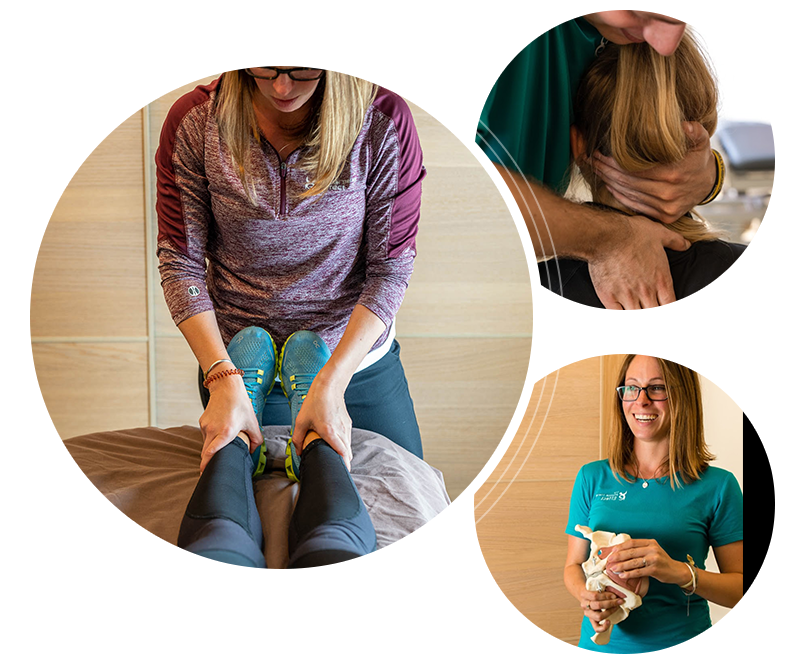
Physical Therapy for Chronic Pain
Chronic pain is pain that continues for more than three months or lasts beyond the expected healing time of an injury or condition. It may remain in one area, move between different areas, or affect several parts of the body. Some people experience constant pain, while others have symptoms that flare with stress, poor sleep, prolonged activity, inactivity, work demands, weather changes, or movements that once felt safe.
Physical therapy for chronic pain is not one-size-fits-all. The right treatment plan depends on where and how you hurt, how long symptoms have been present, your medical history, current activity tolerance, mobility, strength, sleep, stress, work demands, previous injuries, and personal goals. Because chronic pain can behave like a systemic orthopedic condition, your therapist may evaluate the whole person and the way multiple body systems influence movement and function rather than focusing only on one painful structure.
What is Chronic Pain?
Chronic pain is persistent or recurring pain that lasts longer than three months. It can begin after an injury, surgery, illness, repetitive strain, or orthopedic condition, but it may continue even after tissues have healed. In some cases, there is no single identifiable cause. Pain is a real experience influenced by signals from the body, the nervous system, past experiences, sleep, stress, movement habits, health conditions, and the demands placed on the body.
Persistent pain does not always mean that ongoing tissue damage is occurring. The nervous system can become more protective or sensitive over time, causing normal movement, touch, pressure, or activity to feel threatening or painful. This does not mean the pain is imagined. It means treatment may need to address strength, mobility, endurance, confidence, nervous system sensitivity, daily habits, and gradual exposure to activity.
What causes Chronic Pain?
Chronic pain may develop after an injury, surgery, arthritis, spine condition, repetitive strain, nerve irritation, inflammatory condition, or prolonged period of reduced activity. It may also be associated with multiple orthopedic diagnoses, widespread pain, recurring flare-ups, or symptoms that continue after the original injury has healed.
Contributing factors may include reduced strength, limited mobility, deconditioning, changes in movement patterns, poor sleep, stress, fear of movement, repeated pain flare-ups, work demands, sensitization of the nervous system, or systemic health conditions. These factors can interact differently for each person, which is why a personalized evaluation is important.
Get Answers About Chronic Pain
Common symptoms of Chronic Pain
Chronic pain can look and feel different from person to person. Symptoms may be localized or widespread and may change from day to day. Pain may feel aching, burning, sharp, throbbing, stiff, heavy, sensitive, or exhausting. It may also affect sleep, concentration, mood, confidence, and the ability to stay active.
Persistent aching, stiffness, or soreness
Some people with chronic pain experience ongoing aching, stiffness, pressure, or soreness in the muscles, joints, spine, or multiple body regions. Symptoms may be present most days, may shift in intensity, or may become more noticeable after activity, prolonged positioning, poor sleep, or stress.
Persistent soreness may be influenced by reduced mobility, muscle guarding, joint irritation, deconditioning, altered movement patterns, or increased sensitivity of the nervous system. A physical therapy evaluation can help identify which factors may be modifiable and where treatment can begin safely.
Common signs of persistent aching or stiffness
- Pain or stiffness that has lasted longer than three months
- Symptoms that affect one area or several body regions
- Discomfort after sitting, standing, walking, or staying in one position
- Morning stiffness or difficulty getting started
- Pain that changes in intensity from day to day
How physical therapy may help persistent aching or stiffness
Physical therapy may help improve joint and muscle mobility, reduce guarding, rebuild strength, and increase tolerance to everyday movement. Treatment may begin gently and progress gradually so your body can adapt without repeatedly triggering large flare-ups.
Pain flare-ups after activity or inactivity
Chronic pain often follows a cycle in which a person does too much on a good day, experiences a flare, rests for several days, and then loses more strength or tolerance. Other people notice pain after long periods of inactivity, prolonged sitting, bed rest, or avoiding movements that have become associated with discomfort.
Flare-ups do not always mean that new damage has occurred. They may reflect changes in activity load, fatigue, stress, sleep, sensitivity, or how quickly the body was asked to do more. Learning how to pace activity and increase demands gradually can help make movement more predictable.
Common signs of activity-related pain flare-ups
- Pain that increases after household tasks, work, exercise, or errands
- Symptoms after doing more than usual on a good day
- Stiffness or pain after prolonged rest or inactivity
- Difficulty finding the right balance between movement and recovery
- Fear that normal activity will cause another setback
How physical therapy may help manage pain flare-ups
Physical therapy may help you establish a manageable activity baseline, use pacing strategies, and progress walking, exercise, work tasks, or household activity in smaller steps. Your therapist can also help you create a flare-up plan so temporary symptom increases do not completely interrupt your progress.
Schedule Physical Therapy for Chronic Pain
Weakness, fatigue, and reduced activity tolerance
Living with pain for months or years can make it difficult to stay active. Over time, reduced activity may contribute to weakness, fatigue, lower endurance, balance changes, or difficulty tolerating walking, stairs, lifting, standing, and exercise.
Fatigue may also be influenced by poor sleep, stress, medication effects, medical conditions, or the amount of energy required to manage pain throughout the day. A gradual program can help improve capacity without expecting you to push through severe symptoms.
Common signs of reduced strength or endurance
- Fatigue during walking, standing, stairs, or household activity
- Weakness after a long period of reduced activity
- Difficulty returning to exercise, work, or recreation
- Needing frequent rest breaks to complete daily tasks
- Feeling physically limited even when pain intensity varies
How physical therapy may help weakness and fatigue
Physical therapy may use graded strengthening, low-impact cardiovascular exercise, mobility work, balance training, and functional practice to improve capacity over time. The goal is to build a program that is challenging enough to create progress but flexible enough to respect your current symptoms and recovery needs.
Movement sensitivity or fear of re-injury
After repeated pain episodes, normal movement may begin to feel unsafe. You may brace, move cautiously, avoid certain positions, or worry that activity will cause damage. These protective responses are understandable, but they can also contribute to stiffness, weakness, loss of confidence, and reduced participation in life.
A physical therapist can help identify movements that are medically appropriate and reintroduce them gradually. Building positive movement experiences can help improve confidence and reduce unnecessary guarding while still respecting genuine limitations and warning signs.
Common signs of movement sensitivity
- Avoiding bending, lifting, reaching, walking, or exercise because of fear
- Muscle tension or bracing before movement begins
- Pain with light touch, pressure, or movements that were previously comfortable
- Feeling uncertain about what activity is safe
- Loss of confidence after repeated flare-ups or unsuccessful treatments
How physical therapy may help movement sensitivity
Physical therapy may include pain education, breathing and relaxation strategies, gentle mobility, graded exposure to feared movements, strength training, and functional practice. Progress is based on your response and goals, with an emphasis on restoring confidence rather than forcing painful activity.
Get Help Managing Persistent Pain
Related systemic orthopedic conditions physical therapy may address
Chronic pain may occur alongside several systemic, orthopedic, neurological, or musculoskeletal conditions. A physical therapy evaluation can help determine how mobility, strength, endurance, movement sensitivity, joint health, nerve symptoms, and daily habits may be contributing to your current limitations.
Chronic musculoskeletal pain
Chronic musculoskeletal pain may affect the muscles, joints, tendons, spine, or several regions at once. Symptoms may persist after an injury or develop gradually with arthritis, repetitive strain, deconditioning, or long-term movement limitations.
Physical therapy may help improve movement options, strength, endurance, coordination, and confidence while creating a realistic plan for returning to daily activity.
Widespread or multi-site pain
Some people experience pain in several areas of the body rather than one isolated location. Symptoms may include widespread aching, stiffness, fatigue, tenderness, sleep disruption, and reduced tolerance to physical activity.
Physical therapy may use low-impact exercise, gentle strengthening, pacing, mobility work, and gradual conditioning. Care may also be coordinated with other healthcare professionals when symptoms involve broader systemic or medical factors.
Arthritis and degenerative joint conditions
Arthritis and age-related joint changes can contribute to recurring pain, stiffness, swelling, weakness, and reduced mobility. Imaging findings do not always match symptom intensity, so treatment should consider both the joint and the way the whole body is functioning.
Physical therapy may focus on joint mobility, surrounding muscle strength, balance, walking, activity modification, and strategies that help you stay active while managing symptoms.
Persistent spine pain
Chronic neck, mid-back, or low back pain may continue after an injury, disc irritation, joint condition, surgery, or repeated episodes. Symptoms may be influenced by strength, mobility, posture tolerance, nerve sensitivity, sleep, stress, and activity patterns.
Physical therapy may include mobility work, trunk and hip strengthening, graded lifting, postural endurance, pain education, and progressive return to work, exercise, or recreation.
Chronic pain after injury or surgery
Pain may persist after a fracture, sprain, muscle injury, orthopedic surgery, or other procedure. The original tissues may have healed, but stiffness, weakness, guarding, scar sensitivity, nerve irritation, or fear of re-injury may continue to limit function.
Physical therapy may help restore mobility, rebuild strength, improve tolerance to load, address sensitivity, and create a structured return-to-function plan while following medical precautions.
Chronic nerve-related pain
Persistent nerve-related symptoms may include burning, tingling, numbness, electric sensations, radiating pain, or heightened sensitivity. These symptoms may be related to the spine, peripheral nerves, previous injury, surgery, or a systemic medical condition.
Physical therapy may address mobility, nerve sensitivity, strength, posture, and movement tolerance when appropriate. Your therapist can also identify symptoms that should be evaluated by a physician or another specialist.
Start Treatment for Chronic Pain
Can physical therapy help Chronic Pain?
Physical therapy can often help people with chronic pain improve function, movement confidence, strength, endurance, and participation in daily life. Treatment may not depend on eliminating every symptom before you begin moving forward. Instead, the plan may focus on helping you do more with greater control while reducing the frequency or intensity of flare-ups where possible.
The treatment plan should match your current capacity. Some patients need gentle movement, symptom education, and pacing first. Others are ready for progressive strengthening, cardiovascular conditioning, lifting practice, balance work, or return-to-sport training. When chronic pain is connected to a systemic orthopedic condition, physical therapy may also work best as one part of a broader plan involving your physician, behavioral health provider, pain specialist, dietitian, or other healthcare professionals.
What your physical therapist may evaluate
- Pain locations, patterns, duration, and factors that increase or reduce symptoms
- Joint mobility, muscle flexibility, and movement tolerance
- Strength, endurance, balance, coordination, and cardiovascular capacity
- Walking, stairs, lifting, reaching, sitting, standing, and other functional tasks
- Movement sensitivity, guarding, confidence, and fear of re-injury
- Sleep, stress, pacing habits, work demands, and recovery patterns
- Previous injuries, surgeries, diagnoses, treatments, and medical history
- Personal goals for work, exercise, recreation, family life, and independence
What treatment may include
Treatment for chronic pain may include pain education, graded strengthening, low-impact cardiovascular exercise, mobility and flexibility work, balance training, functional movement practice, breathing strategies, relaxation techniques, pacing, graded exposure, ergonomic guidance, activity modification, manual therapy when appropriate, and a personalized home exercise program.
The goal is to help you build capacity, move with greater confidence, manage flare-ups, improve independence, and return to the activities that matter to you. Treatment should be collaborative, adaptable, and focused on meaningful progress rather than a rigid or generic exercise routine.
Find Out If Physical Therapy Can Help
When should I see a physical therapist?
You may want to see a physical therapist when pain has lasted longer than three months, keeps returning, affects several parts of the body, or limits sleep, work, walking, exercise, household tasks, social activity, or independence. You do not need to wait until you are completely inactive or symptoms become unbearable.
A physical therapy evaluation can help you understand what may be contributing to your limitations, identify a manageable starting point, and create a gradual plan for increasing activity without relying on an all-or-nothing approach.
You may benefit from physical therapy if:
- Your pain has lasted longer than three months or beyond the expected healing time
- Your symptoms affect one area or several areas of the body
- You have lost strength, endurance, mobility, or confidence
- Pain interferes with sleep, work, exercise, relationships, or daily activities
- You alternate between doing too much and resting for long periods
- You avoid movement because you are afraid of causing damage
- You experience recurring flare-ups and need a clearer management plan
- You want help returning gradually to movement, exercise, work, or recreation
When to seek medical care sooner
Seek medical care sooner if pain is new and severe, follows major trauma, is rapidly worsening, or occurs with chest pain, shortness of breath, fever, unexplained weight loss, signs of infection, new or progressive weakness, loss of balance or coordination, changes in bowel or bladder control, saddle numbness, fainting, confusion, or other unusual systemic symptoms. Seek urgent medical or mental health support if pain is accompanied by thoughts of self-harm or feeling unable to stay safe.
If you are unsure where to start, call us. We can help you decide whether physical therapy is an appropriate next step or whether evaluation by another healthcare professional may be needed first.
Schedule a Chronic Pain Evaluation
Do I need a doctor referral first?
Often, no. Many patients can begin physical therapy without seeing a doctor first, although requirements may depend on your insurance plan, symptoms, medical history, and state rules.
Because chronic pain may be connected to systemic orthopedic conditions, medications, inflammatory disorders, neurological symptoms, or other health concerns, coordinated care may sometimes be recommended. The easiest way to know is to call us. We can help you understand whether your insurance requires a referral, whether physical therapy is a good place to start, and what steps are needed to schedule an appointment.
Ask About Scheduling Physical Therapy
Why Choose PT Effect for Treatment?
Choosing the right physical therapy office can make a major difference in how supported, understood, and confident you feel while managing chronic pain. At PT Effect, treatment is built around personalized care, hands-on attention, and a plan that helps you improve function without reducing your experience to a single diagnosis or painful body part.
- You get one-on-one care with a Licensed Doctor of Physical Therapy. Every session is focused on you, your symptoms, and your goals. This allows your therapist to listen carefully, adjust your plan based on your response, and help you understand the factors that may be affecting your pain and movement.
- You get a treatment plan made for your specific problem. Your pain history, systemic orthopedic conditions, movement limitations, activity tolerance, work demands, sleep, stress, previous treatments, and lifestyle are all part of the plan. Instead of a generic exercise routine, your care is based on what you need to improve daily function and quality of life.
- You get hands-on care that helps identify how your body is moving. PT Effect uses detailed movement assessment and manual therapy when appropriate to better understand stiffness, guarding, mobility limits, sensitivity, and pain triggers. Hands-on care may support movement, but it is combined with active strategies that help build lasting capacity.
- You get help sooner, without waiting weeks to start care. Chronic pain can gradually reduce activity and independence. PT Effect works to schedule patients as quickly as possible so you can begin building a clearer, more manageable path forward.
- You get support for both symptom management and long-term goals. Treatment is not only about temporary relief. Your therapist can help you improve strength, mobility, endurance, pacing, confidence, and activity tolerance so you can participate more fully in the parts of life that matter to you.
- You get care in a modern, well-equipped physical therapy office. PT Effect’s offices are designed to support exercise, strengthening, cardiovascular conditioning, mobility work, balance training, and hands-on therapy. The goal is to give you the space, tools, and guidance needed to make meaningful progress.
- You get a team that treats the way you move, not just where you hurt. Chronic pain may be influenced by several body regions, nervous system sensitivity, strength, mobility, endurance, sleep, stress, work demands, and health history. Your therapist can look at the full picture and help address the factors that are most relevant to your function.
- You get clear guidance for what to do between visits. Progress does not only happen in the clinic. Your therapist can give you practical home exercises, pacing strategies, flare-up guidance, activity modifications, and movement goals so you know how to continue building capacity between appointments.
- You get help understanding your scheduling and insurance options. PT Effect makes it easy to request an appointment, ask for more information, or have the team check your insurance. This helps remove guesswork and gives you a clearer next step.
- You get two convenient locations. PT Effect serves patients in both San Diego and San Marcos, so you can choose the office that works best for your routine.
Start Treatment With PT Effect
Chronic pain can affect more than one body part and may interfere with sleep, work, movement, exercise, relationships, and independence. PT Effect can help you better understand the factors that may be contributing to your symptoms and create a treatment plan focused on improving movement, rebuilding strength and endurance, managing flare-ups, and helping you return gradually to meaningful activity.