
Osteoporosis & Osteopenia Orthopedic Physical Therapy
Osteoporosis and osteopenia can increase fracture risk and may contribute to weakness, posture changes, balance problems, reduced confidence, back pain, difficulty exercising, or concern about safe movement. Physical therapy for osteoporosis and osteopenia may help improve strength, balance, posture, body mechanics, walking confidence, and safe activity habits that support long-term bone health.
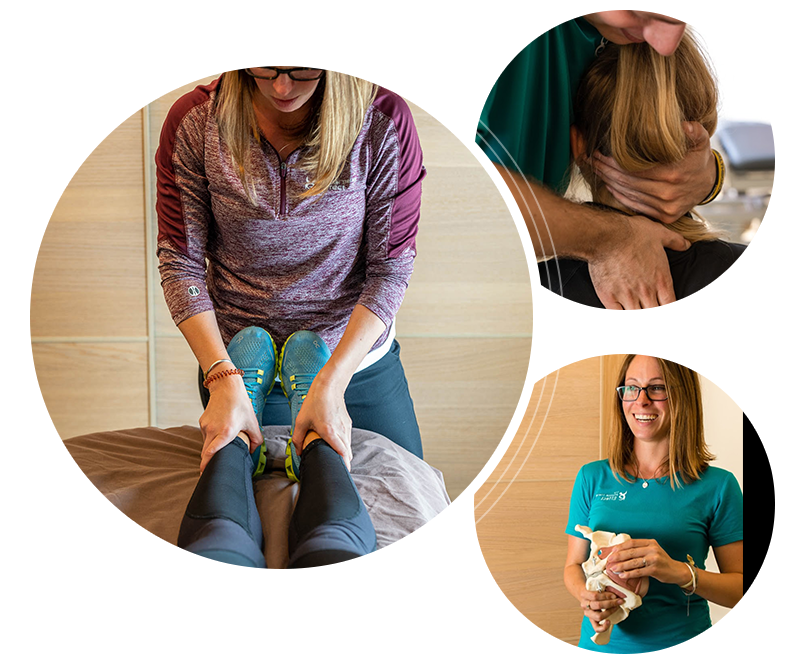
Physical Therapy for Osteoporosis & Osteopenia
Osteoporosis and osteopenia are bone density conditions that can make bones more vulnerable to fracture. Osteopenia means bone density is lower than expected but not as low as osteoporosis, while osteoporosis means bone density is low enough to significantly increase fracture risk. These conditions may affect the spine, hips, wrists, ribs, shoulders, pelvis, or other bones.
Physical therapy for osteoporosis and osteopenia is not one-size-fits-all. The right treatment plan depends on bone density results, fracture history, pain level, posture, balance, strength, walking confidence, activity tolerance, medical guidance, medication status, exercise history, fall risk, and personal goals. A physical therapy evaluation can help determine how to exercise safely, build strength, improve balance, protect the spine, and stay active with more confidence.
What are Osteoporosis & Osteopenia?
Osteopenia and osteoporosis are conditions involving reduced bone density or bone strength. With osteopenia, bone density is below normal and may require lifestyle changes, exercise, and medical monitoring. With osteoporosis, bones are more fragile and fractures may occur from falls, lifting, bending, twisting, or sometimes even relatively minor stress.
These conditions are often called silent because many people do not know they have low bone density until a bone density scan or fracture occurs. Physical therapy focuses on safe strengthening, balance training, posture, fall prevention, body mechanics, and education so you can move and exercise in ways that support your health while reducing unnecessary risk.
What causes Osteoporosis & Osteopenia?
Osteoporosis and osteopenia may be related to aging, hormonal changes, genetics, low physical activity, nutrition factors, low vitamin D or calcium intake, certain medications, smoking, excessive alcohol use, low body weight, previous fractures, medical conditions, or reduced weight-bearing activity.
Contributing movement factors may include muscle weakness, poor balance, low walking tolerance, reduced impact tolerance, fear of movement, posture changes, limited strength training, unsafe lifting mechanics, and reduced confidence with daily activity. A physical therapist can help identify which strength, balance, posture, and activity factors may be most important for your safety and goals.
Get Answers About Osteoporosis & Osteopenia
Common symptoms of Osteoporosis & Osteopenia
Osteoporosis and osteopenia may not cause obvious symptoms in the early stages. Many people first learn about low bone density from a scan or after a fracture. When symptoms or concerns do appear, they may involve posture, balance, strength, pain after fracture, fear of falling, or uncertainty about which exercises are safe.
Increased fracture risk or fear of injury
One of the biggest concerns with osteoporosis and osteopenia is increased fracture risk. Fractures may occur at the wrist, hip, spine, ribs, shoulder, pelvis, or foot. Some people become afraid to exercise or move because they worry about breaking a bone.
Avoiding activity may feel protective at first, but too much inactivity can lead to more weakness, poorer balance, and reduced confidence. Physical therapy can help you learn safe ways to strengthen, move, and stay active based on your risk level and medical guidance.
Common signs of fracture-risk concerns
- History of fracture after a fall or minor injury
- Concern about falling, lifting, bending, or twisting safely
- Avoiding exercise because of fear of injury
- Uncertainty about which movements are safe with low bone density
- Feeling less confident with stairs, uneven surfaces, or daily activity
How physical therapy may help fracture-risk concerns
Physical therapy may include safe strengthening, balance training, fall prevention, body mechanics, posture education, home exercise planning, and guidance on avoiding high-risk movement patterns when appropriate. The goal is to help you move with more confidence while respecting bone health precautions.
Posture changes, height loss, or spine-related concerns
Osteoporosis can affect the spine and may contribute to compression fractures, height loss, rounded posture, back pain, or reduced confidence with bending and lifting. Even without a known fracture, posture and trunk strength can play an important role in daily comfort and safe movement.
Physical therapy can help improve postural awareness, back and hip strength, trunk support, and safe movement strategies. When compression fracture is suspected or confirmed, treatment should follow medical guidance and avoid movements that may stress healing bone.
Common signs of posture or spine-related concerns
- Rounded upper-back posture or difficulty standing upright comfortably
- Height loss or concern about spinal compression fractures
- Back pain after lifting, bending, twisting, or a fall
- Difficulty knowing how to lift, reach, or bend safely
- Reduced confidence with household tasks, exercise, or daily movement
How physical therapy may help posture or spine concerns
Physical therapy may include posture training, spinal extension strengthening when appropriate, hip strengthening, core strengthening, safe bending and lifting mechanics, balance work, and education on reducing repeated flexion or twisting stress when relevant.
Schedule Physical Therapy for Bone Health
Weakness, poor balance, or fall risk
Muscle weakness and balance problems can increase the risk of falls, which is especially important when bone density is low. Weakness may affect the hips, legs, trunk, shoulders, or arms and can make stairs, walking, transfers, carrying objects, and exercise feel harder.
Improving strength and balance is one of the most useful ways physical therapy may support people with osteopenia or osteoporosis. A structured plan can help you train safely and progressively without relying on guesswork.
Common signs of weakness or balance concerns
- Feeling unsteady while walking, turning, or using stairs
- Difficulty standing from a chair without using the hands
- Reduced confidence on uneven surfaces, curbs, or hills
- Weakness with lifting, carrying, squatting, or stepping
- History of falls, near falls, or fear of falling
How physical therapy may help weakness and balance
Physical therapy may include progressive resistance training, hip and leg strengthening, trunk strengthening, balance exercises, gait training, stair training, fall-prevention strategies, and functional movement practice. Your therapist can help match exercise intensity to your current ability and safety needs.
Difficulty exercising safely or staying active
Many people with osteoporosis or osteopenia are told to exercise but are not sure what that means in practice. Some exercises may be helpful, while others may need to be modified depending on fracture risk, spine involvement, pain, or medical guidance.
Physical therapy can help you build a safe exercise plan that includes strengthening, balance, posture, walking, and activity progressions. The goal is to help you stay active without doing movements that may be inappropriate for your bone health status.
Common signs of exercise uncertainty
- Not knowing which exercises are safe with osteoporosis or osteopenia
- Avoiding strength training because of fear of fracture
- Difficulty progressing workouts without pain or uncertainty
- Feeling unsure about yoga, Pilates, lifting, walking, or gym exercises
- Wanting a clear plan for strength, balance, posture, and long-term activity
How physical therapy may help exercise confidence
Physical therapy may include individualized strength training, balance work, posture exercises, safe lifting practice, walking progressions, exercise modifications, and education on which positions or movements may need caution. Your therapist can help you build confidence with a sustainable routine.
Get Help With Safe Exercise for Osteoporosis
Related conditions and symptoms physical therapy may address
Osteoporosis and osteopenia can overlap with several orthopedic, balance, spine, fracture, posture, and strength-related concerns. A physical therapy evaluation can help identify whether symptoms appear related to low bone density, previous fracture, weakness, balance deficits, posture changes, gait mechanics, or another condition that may need medical coordination.
Vertebral compression fracture rehab
Compression fractures can cause back pain, height loss, posture changes, and difficulty with bending, lifting, walking, or daily activity. These fractures should be medically evaluated and managed based on severity and healing stage.
Physical therapy may help restore safe mobility, posture, strength, breathing mechanics, walking tolerance, and confidence with daily activity based on medical guidance.
Hip fracture prevention and recovery
Low bone density can increase hip fracture risk, especially when balance, strength, or walking confidence is reduced. After a hip fracture, rehab may be needed to restore walking, strength, and daily function.
Physical therapy may include fall-prevention training, gait training, lower-body strengthening, balance work, and functional movement practice.
Balance problems and fall prevention
Balance issues can make falls more likely. When bone density is low, fall prevention becomes especially important because fractures may occur more easily.
Physical therapy may include balance training, reaction training, gait assessment, stair practice, footwear discussion, home safety strategies, and progressive strengthening.
Back pain with low bone density
Back pain in people with osteoporosis or osteopenia may be related to posture, muscle weakness, arthritis, disc irritation, compression fracture, or movement sensitivity. Pain after a fall or sudden onset should be evaluated carefully.
Physical therapy may include safe mobility, trunk and hip strengthening, posture training, body mechanics, and activity modification when appropriate.
Posture and kyphosis concerns
Rounded upper-back posture or kyphosis may affect breathing, balance, shoulder motion, neck comfort, and confidence with movement. In osteoporosis, posture training should be paired with safe movement education.
Physical therapy may include upper-back mobility when appropriate, postural strengthening, shoulder and trunk strengthening, breathing strategies, and functional posture training.
Weakness after reduced activity
After a fracture, illness, surgery, or prolonged inactivity, strength and endurance can decline quickly. This may make daily tasks harder and increase fall risk.
Physical therapy may include progressive strengthening, walking programs, balance exercises, endurance training, and return-to-activity planning.
Start Treatment for Osteoporosis & Osteopenia
Can physical therapy help Osteoporosis & Osteopenia?
Physical therapy can often help osteoporosis and osteopenia by addressing strength, balance, posture, gait mechanics, fall risk, body mechanics, activity confidence, and safe exercise habits. Treatment does not replace medical management for bone density, but it can help you move, exercise, and function more safely.
The treatment plan should match your bone health status and goals. Some patients need fall-prevention and safe mobility first, while others benefit from progressive resistance training, posture strengthening, walking programs, balance progressions, gym exercise guidance, or return-to-activity planning. If you have a recent fracture or high fracture risk, your therapist can help coordinate rehab with medical guidance.
What your physical therapist may evaluate
- Bone density status, fracture history, medical guidance, pain level, and current activity restrictions
- Posture, spine mobility, trunk strength, hip strength, shoulder strength, and movement habits
- Balance, gait, stair mechanics, fall history, near-falls, walking confidence, and assistive device needs
- Strength, endurance, range of motion, mobility, coordination, and functional movement
- Safe lifting, bending, carrying, reaching, squatting, getting up from the floor, and daily body mechanics
- Current exercise routine, walking program, gym habits, yoga or Pilates participation, and activity goals
- Footwear, home or work demands, fear of falling, fear of fracture, and confidence with movement
- Symptoms that may suggest acute fracture, compression fracture, neurological symptoms, vascular concerns, or need for medical evaluation
What treatment may include
Treatment for osteoporosis and osteopenia may include progressive strengthening, weight-bearing exercise guidance, balance training, gait training, posture exercises, spinal extension strengthening when appropriate, hip and leg strengthening, trunk strengthening, shoulder strengthening, safe lifting and bending mechanics, fall-prevention strategies, walking progressions, functional movement training, low-impact conditioning, home safety discussion, exercise modification, and a home exercise program.
The goal is to improve strength, reduce fall risk, support posture, improve movement confidence, and help you stay active safely. Your therapist may also help you understand which exercises may be beneficial, which movements may need modification, and how to build long-term habits that support bone health and daily function.
Find Out If Physical Therapy Can Help
When should I see a physical therapist?
You may want to see a physical therapist if you have been diagnosed with osteoporosis or osteopenia and are unsure how to exercise safely, improve balance, reduce fall risk, or strengthen without increasing concern for fracture. Physical therapy can also help after a fracture once medical clearance and precautions are clear.
You may also benefit from physical therapy if weakness, posture changes, fear of falling, back pain, balance problems, walking difficulty, or low confidence with movement is limiting daily life. Early guidance can help you build a safer, more sustainable plan for long-term activity.
You may benefit from physical therapy if:
- You have been diagnosed with osteoporosis or osteopenia
- You are unsure which exercises are safe or appropriate for your bone health
- You have a history of fracture, falls, near-falls, or fear of falling
- You have posture changes, back pain, weakness, or reduced mobility
- You want help with strength training, balance training, walking, or gym exercise
- You want guidance on safe bending, lifting, carrying, reaching, and daily movement
- You are recovering after a fracture and need help rebuilding function
- You want a clear plan for long-term strength, posture, balance, and activity confidence
When to seek medical care sooner
Seek medical care sooner if you have sudden back pain after a fall, new severe spine pain, height loss with pain, pain that is worse with standing or walking and improves when lying down, inability to bear weight, suspected fracture, new numbness or weakness, loss of bowel or bladder control, chest pain, shortness of breath, fever, unexplained weight loss, or symptoms that feel urgent or unusual. Suspected fracture, compression fracture, neurological symptoms, infection signs, or vascular concerns should be evaluated promptly.
If you are unsure where to start, call us. We can help you decide whether physical therapy is an appropriate next step or whether medical evaluation may be needed first.
Schedule an Osteoporosis & Osteopenia Evaluation
Do I need a doctor referral first?
Often, many patients can begin physical therapy without seeing a doctor first, although requirements may depend on your insurance plan, symptoms, and state rules.
For suspected fracture, recent fracture, sudden severe back pain, possible compression fracture, unexplained height loss with pain, inability to bear weight, new neurological symptoms, or concerning symptoms, medical evaluation may be recommended first or alongside physical therapy. If you are working with a physician, endocrinologist, rheumatologist, or other provider for bone health, physical therapy can often coordinate with that plan. The easiest way to know what is needed is to call us. We can help you understand whether your insurance requires a referral, whether physical therapy is a good place to start, and what steps are needed to schedule an appointment.
Ask About Scheduling Physical Therapy
Why Choose PT Effect for Treatment?
Choosing the right physical therapy office can make a major difference in how supported, understood, and confident you feel during care. At PT Effect, treatment is built around personalized attention, hands-on guidance, and a plan that helps you move better with less fear and more confidence.
- You get one-on-one care with a Licensed Doctor of Physical Therapy. Every session is focused on you, your bone health status, your symptoms, your strength, your balance, your activity demands, and your goals. This allows your therapist to give you more attention, adjust your plan as confidence improves, and help you understand how to move safely with osteoporosis or osteopenia.
- You get a treatment plan made for your specific problem or recovery. Your bone density diagnosis, fracture history, posture, balance, strength, walking confidence, pain level, work demands, exercise goals, medical guidance, and lifestyle are all part of the plan. Instead of a generic exercise list, your care is based on what you need to build strength and reduce risk safely.
- You get hands-on care that helps identify how your body is moving. PT Effect uses manual therapy when appropriate and detailed movement assessment to better understand posture, balance, gait mechanics, hip strength, trunk strength, shoulder strength, lifting mechanics, mobility, and functional movement. This helps your therapist treat the full movement picture instead of only focusing on bone density numbers.
- You get help sooner, without unnecessary delays. Low bone density, fear of falling, and uncertainty about exercise can make people avoid movement that may actually be helpful when done safely. PT Effect works to schedule patients as quickly as possible so you can get guidance and begin moving toward better strength, balance, and confidence.
- You get support for both symptom relief and long-term movement goals. Treatment is not just about getting through one appointment. Your therapist can help you improve strength, posture, balance, walking confidence, safe lifting mechanics, endurance, fall prevention, and activity habits that support daily life, exercise, work, hobbies, and independence over time.
- You get care in a modern, well-equipped physical therapy office. PT Effect’s offices are designed to support effective treatment, movement assessment, strengthening, mobility work, balance training, gait training, functional movement practice, low-impact conditioning, safe lifting practice, and hands-on therapy. The goal is to give you the space, tools, and guidance needed to make meaningful progress.
- You get a team that treats the way you move, not just where you feel symptoms. Your safety and confidence may be influenced by posture, strength, balance, gait mechanics, footwear, vision, reaction time, lifting habits, exercise selection, home setup, fear of falling, activity demands, or nearby joints and muscles. Your therapist can look at the full picture and help address the factors that affect long-term function.
- You get clear guidance for what to do between visits. Progress does not only happen in the clinic. Your therapist can give you practical home exercises, strength progressions, balance drills, posture exercises, walking guidance, safe lifting strategies, fall-prevention tips, exercise modifications, and movement guidance so you know how to keep improving outside of your appointments.
- You get help understanding your scheduling and insurance options. PT Effect makes it easy to request an appointment, ask for more information, or have the team check your insurance. This helps remove guesswork and gives you a clearer next step.
- You get two convenient locations. PT Effect serves patients in both San Diego and San Marcos, so you can choose the office that works best for your routine.
Start Treatment With PT Effect
Osteoporosis and osteopenia can make daily activity, exercise, and movement feel uncertain, especially when fracture risk, posture changes, weakness, balance problems, fear of falling, or uncertainty about safe exercise interferes with normal routines. PT Effect can help you better understand how to move safely and create a treatment plan focused on strength, posture, balance, fall prevention, safe body mechanics, and long-term confidence.