
When Should You Use a Sacroiliac Belt During Pregnancy?
Aug 17, 2026
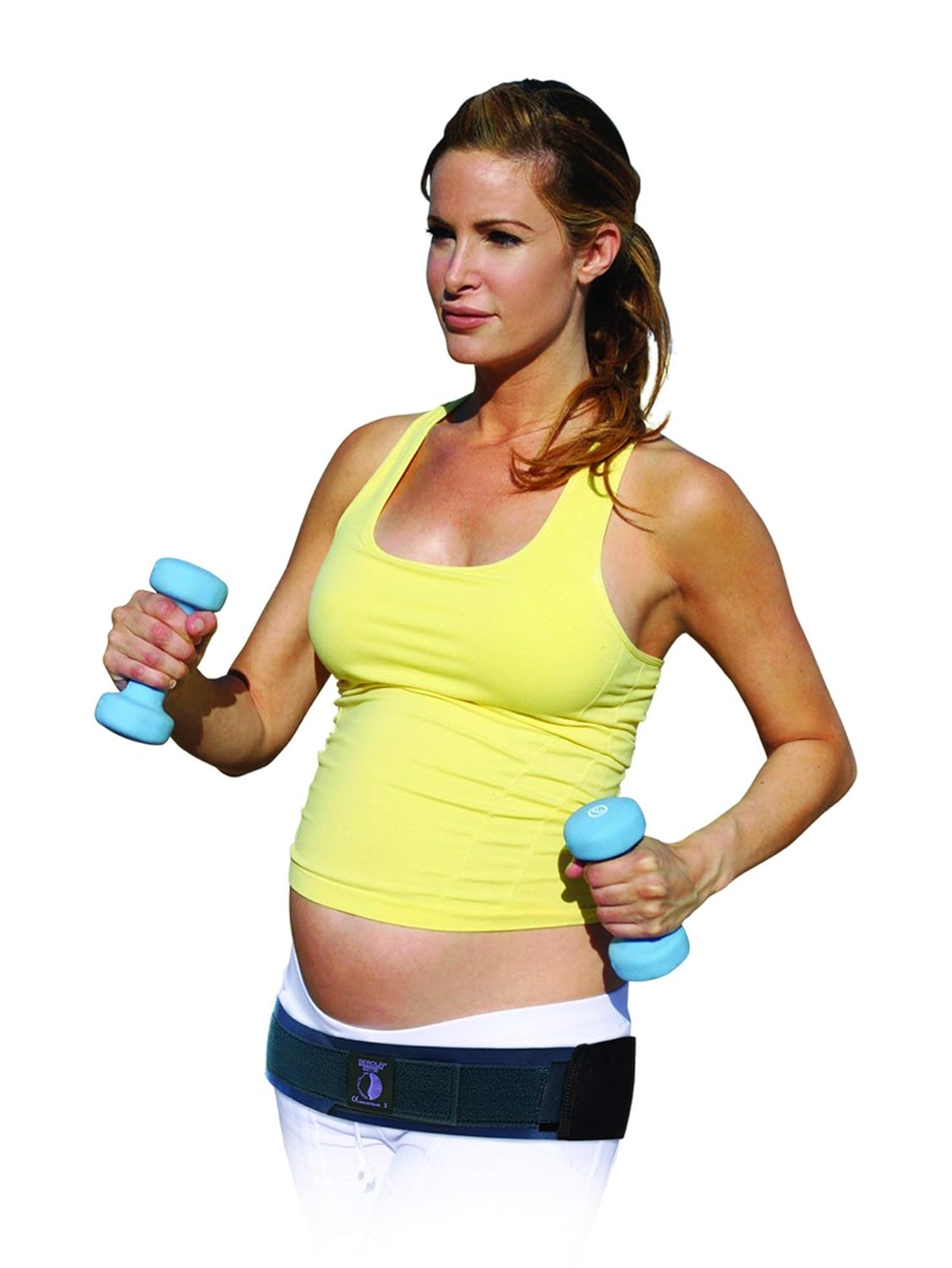
Pregnancy-related pelvic pain can make walking, climbing stairs, rolling over in bed, or standing for longer periods much less comfortable. When pain is concentrated around the back of the pelvis or seems worse with uneven weight-bearing, a sacroiliac belt may provide additional support during movement.
A sacroiliac belt, often called an SI belt, fits lower around the pelvis than a typical pregnancy belly support. It may help some pregnant individuals move with less discomfort, but it works best when it is used alongside breathing, core, pelvic floor, and movement strategies.
Key Takeaways
- A sacroiliac belt sits low around the pelvis to provide external support near the SI joints.
- It may be useful when pelvic pain increases with walking, stairs, standing, rolling in bed, or uneven weight shifting.
- An SI belt is different from a pregnancy belly band that primarily supports the abdomen.
- The belt should feel supportive without restricting breathing, circulation, or comfortable movement.
- A belt can help manage symptoms, but it does not replace pelvic floor, core, hip, and movement training.
A sacroiliac belt can be a useful support tool during pregnancy when pelvic pain is limiting movement, especially when it is paired with a plan that addresses how your body manages load and pressure.
Support Your Pelvis While You Keep Moving
Your sacroiliac joints sit where your pelvis meets the base of your spine. During pregnancy, changes in load, posture, movement, and muscle coordination can make this area more sensitive for some people.
An SI belt wraps around the pelvis and provides external compression that may make activities such as walking or standing feel more supported. The goal is not to hold your pelvis in place or correct an alignment problem. It is to provide temporary support while your body manages changing demands.
Breathing, core function, pelvic floor coordination, and movement all contribute to how your body manages changing demands during pregnancy.
What Is a Sacroiliac Belt?
A sacroiliac belt is a narrow support belt worn around the pelvis, usually lower than a traditional pregnancy support belt. It is designed to provide compression around the pelvic ring and the area near the sacroiliac joints.
The sacroiliac joints, or SI joints, sit on either side of the sacrum at the back of your pelvis and transfer forces between your trunk and legs as you move. Pain around this area can have several possible causes, and understanding the factors associated with sacroiliac joint pain and dysfunction can help explain why certain movements may be more uncomfortable.
An SI belt provides external support. Needing that support does not mean your pelvis is unstable, out of place, or damaged.
When Might an SI Belt Help During Pregnancy?
A sacroiliac belt may be worth trying when pelvic pain becomes more noticeable during activities that place different demands on each side of the body.
You may notice symptoms during:
- Walking or standing for longer periods
- Climbing stairs
- Standing on one leg while getting dressed
- Getting into or out of a vehicle
- Rolling or changing positions in bed
- Carrying groceries, a child, or another load
- Exercise that involves lunging, stepping, or shifting weight
Pain near the SI joints may be felt on one or both sides at the back of the pelvis, although an assessment may be needed to determine what is contributing to your symptoms. It can also occur alongside other common pregnancy pains connected to the pelvic floor.
How Is an SI Belt Different From a Pregnancy Support Belt?
Although the terms are sometimes used interchangeably, an SI belt and a pregnancy belly support do not provide support in exactly the same way. A pregnancy support belt often sits under or around the abdomen, while an SI belt generally sits lower and focuses more directly on compression around the pelvic ring.
If abdominal heaviness is your main concern, a broader support may feel more useful. If discomfort is concentrated around the back or sides of the pelvis and becomes more noticeable with walking or uneven weight shifting, an SI belt may be worth considering. The location and type of discomfort can help you determine when a pregnancy support belt may be useful for pelvic pain.
Need More Support During Walking or Daily Activity?
If an SI belt sounds appropriate for the symptoms you are experiencing, PT Effect carries a sacroiliac belt that can be worn during activities when your pelvis needs additional external support.
Pairing a belt with better breathing, pelvic floor coordination, and movement strategies can give you both outside support and tools your body can use throughout pregnancy.
Where Should a Sacroiliac Belt Sit?
An SI belt generally sits low around the pelvis rather than high around the waist or directly underneath the belly. Placement matters because the goal is to provide support around the pelvic ring rather than lift the abdomen.
The belt should feel secure without creating sharp pressure, numbness, tingling, skin irritation, difficulty breathing, or increased discomfort. Remove it if any of these symptoms occur, and ask your pregnancy care provider or pelvic health physical therapist for help if you are uncertain about the fit.
Try the belt during an activity that usually triggers symptoms, such as walking or standing. If the same activity feels more comfortable with the belt in place, that can help you determine whether the support is useful for you.
A tighter belt is not automatically a better belt. Use enough support to improve comfort without squeezing your pelvis unnecessarily.
When an SI Belt Is Not Enough
A belt may reduce symptoms during activity, but it does not address every factor that can contribute to pelvic pain during pregnancy.
Consider getting additional guidance if you notice:
- Pain that continues to increase despite modifying activity
- Difficulty walking or completing normal daily tasks
- Pain that regularly interrupts sleep
- Pelvic heaviness, pressure, or urinary leakage
- Pain through the pubic bone, groin, hips, or lower back in addition to SI-area pain
- Symptoms that make exercise difficult or cause you to avoid movement
A pelvic health physical therapist can look at how your hips, pelvis, core, pelvic floor, and breathing respond during the movements that aggravate your symptoms. Contact your pregnancy care provider promptly for severe or sudden pain, pain accompanied by bleeding or fluid leakage, fever, new weakness or numbness, or symptoms that significantly limit your mobility.
Should You Wear an SI Belt All Day?
An SI belt is generally most useful during activities that predictably increase pain, such as walking, housework, or spending more time on your feet. Unless your healthcare provider gives you different instructions, it typically should not be worn while sleeping or for long, uninterrupted periods.
How often you use it should depend on whether it meaningfully improves comfort and movement. Your needs may also change throughout pregnancy as your abdomen, balance, mobility, and activity level change.
How an SI Belt Fits Into Your Pregnancy Support Plan
Think of an SI belt as one part of your overall approach to pelvic pain. External support may help reduce irritation during certain activities, while breathing, core coordination, pelvic floor function, hip strength, and movement strategies help your body respond to those activities from within.
| What You Notice | How an SI Belt May Help | What to Address Too |
|---|---|---|
| Pelvic pain while walking | May provide additional support around the pelvic ring | Walking strategy, hip strength, load management, and pelvic floor coordination |
| Pain during stairs or uneven weight shifting | May make transferring weight from one leg to the other more comfortable | Single-leg control, movement modification, and strength |
| Symptoms during longer periods of standing | May provide temporary support during higher-demand portions of the day | Pacing, posture changes, breathing, and recovery between activities |
| Pelvic pain that continues despite wearing a belt | The belt alone may not address the main contributor | Individual assessment and a more complete movement plan |
Support
Use external support when it helps you complete an activity with less discomfort.
Coordinate
Connect breathing, pelvic floor function, core control, and movement.
Adapt
Change your belt use and movement strategies as your pregnancy progresses.
How Physical Therapy Can Help With SI Joint Pain During Pregnancy
SI-area pain does not always come from one structure or one movement problem. A physical therapist can evaluate where you feel symptoms, which activities aggravate them, and how your pelvis, hips, trunk, and pelvic floor respond to movement.
Physical therapy can also help you determine whether an SI belt is useful, when to wear it, and which exercises or movement changes should accompany it. If pelvic pain is affecting walking, exercise, work, sleep, or daily activities, individualized support may help you find a more complete strategy.
Find Support for Pregnancy Pelvic Pain
If pregnancy pelvic pain is affecting your movement or daily routine, PT Effect can help you find a strategy that fits your symptoms and stage of pregnancy.
Frequently Asked Questions About SI Belts During Pregnancy
Can You Wear an SI Belt While Pregnant?
An SI belt may provide temporary support when pregnancy pelvic pain makes activities such as walking or standing uncomfortable. Ask your pregnancy care provider or pelvic health physical therapist for guidance if you are unsure whether a belt is appropriate for your symptoms.
Can You Sleep in an SI Belt?
An SI belt generally should not be worn while sleeping unless your healthcare provider specifically recommends it. It is usually intended to support the pelvis during activities that increase discomfort.
How Tight Should an SI Belt Be?
The belt should feel secure and supportive without causing pain, numbness, tingling, skin irritation, difficulty breathing, or restricted movement. More compression is not automatically more effective.
Where Should an SI Belt Sit During Pregnancy?
An SI belt generally sits low around the pelvis rather than around the waist or directly beneath the belly. Follow the instructions provided with your belt and seek professional help if you are uncertain about placement.
Combine External Support With a Plan for Your Pelvic Floor
An SI belt may make walking, standing, and other daily activities feel more manageable, but it is only one piece of pregnancy support. Learning how your breath, pelvic floor, core, and hips work together can help you build strategies you can use throughout pregnancy and into recovery.
For informational purposes only.