
Common Pregnancy Pains Explained: The Pelvic Floor Connection
Mar 5, 2026
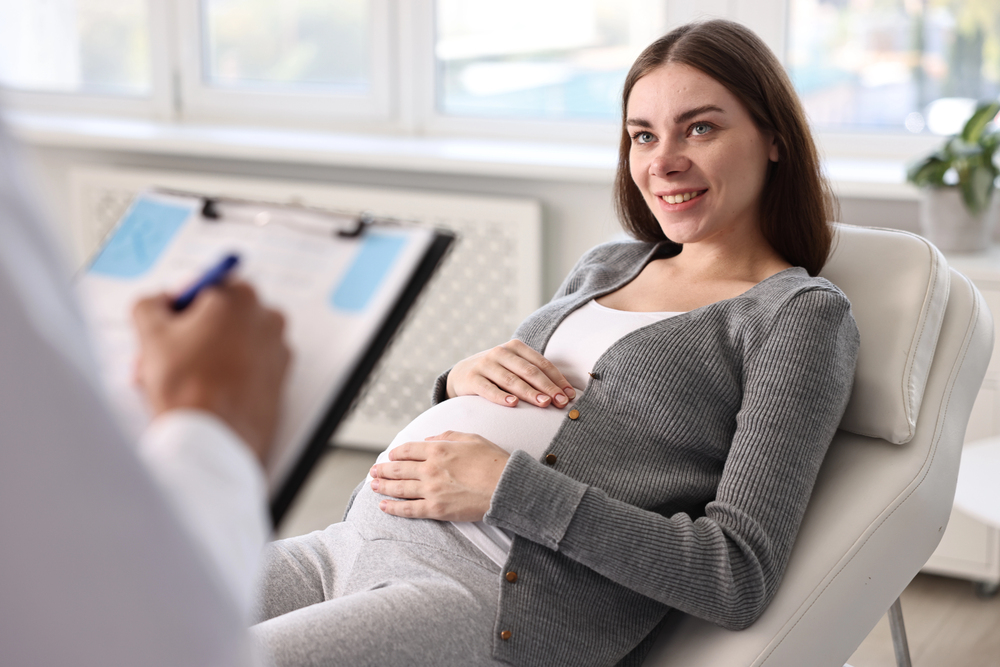
If you’re dealing with back pain, pelvic discomfort, or sharp pulling sensations during pregnancy, you’re not alone—but those symptoms are not random. Most pregnancy-related pain follows specific patterns, and understanding those patterns is the first step toward relief.
Key Takeaways
- Pregnancy pain often stems from pelvic floor and core imbalance
- Symptoms like SI joint pain and round ligament pain are common
- The right exercises can relieve pressure and improve stability
- Guided programs help you progress safely through each trimester
Pain during pregnancy often reflects how your body is managing load, pressure, and muscle coordination, not just the presence of a growing baby.
Understand What’s Driving Pregnancy Discomfort
Rather than simply accepting discomfort as part of pregnancy, it’s important to understand what your body is responding to. Many of these symptoms are tied to how the pelvic floor, core, and surrounding joints are handling increased demand.
If you want a clearer understanding of how this system works, this pelvic floor resource explains the connection between core support, breathing, and pelvic health.
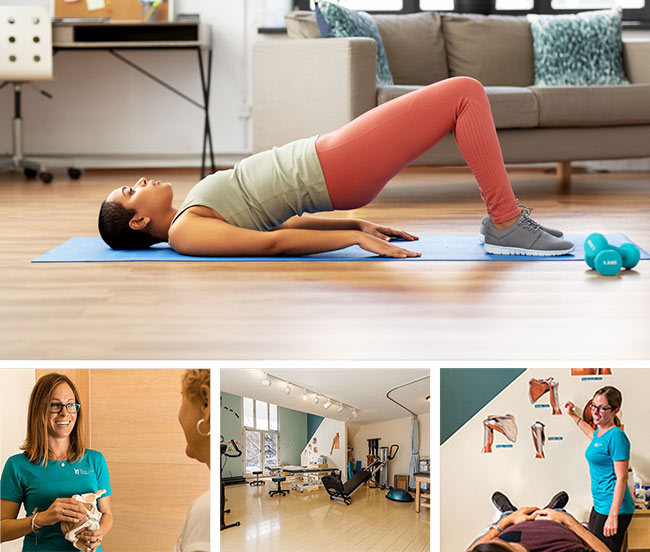
Why Pregnancy Aches Happen and What’s Behind Them
Pregnancy pain is rarely caused by just one thing. Instead, it typically develops from a combination of pressure changes, joint mobility, muscle coordination, and load distribution.
As your center of gravity shifts and your body adapts, the pelvic floor and core system must respond quickly. When coordination between these systems is off—even slightly—other areas like the lower back, hips, and pelvis take on more strain than they should.
Understanding the cause matters because it changes how you respond. Instead of avoiding movement altogether, you can focus on improving support, coordination, and movement quality.
Common Types of Pain During Pregnancy
These symptoms are some of the most common—and most misunderstood—experiences during pregnancy. Each one points to a specific movement or stability issue, which means each one can be addressed with the right approach.
- Low back pain (LBP)
- Sacroiliac joint (SIJ) irritation
- Pubic symphysis pain
- Round ligament discomfort
- Tailbone pain (coccydynia)
Each of these can affect how you move through the day. Pain may show up with walking, rolling in bed, getting up from a chair, climbing stairs, or staying active long enough to feel like yourself.
Pain that changes how you move, sleep, or exercise is worth addressing early instead of waiting for it to worsen.
How Pregnancy Symptoms Typically Show Up
These symptoms may feel similar at first, but they often show up in different areas and tend to be triggered by different movements.
| Type of Pain | Where You May Feel It | Common Triggers |
|---|---|---|
| Low Back Pain | Lower spine or across the low back | Standing, walking, posture fatigue |
| SI Joint Pain | One or both sides of the pelvis near the back | Rolling in bed, stairs, uneven weight shifting |
| Pubic Symphysis Pain | Front of the pelvis | Walking, getting dressed, single-leg movements |
| Round Ligament Pain | Lower abdomen or groin area | Quick movement, position changes, stretching sensations |
| Coccydynia | Tailbone area | Sitting, transitions, pressure through the pelvis |
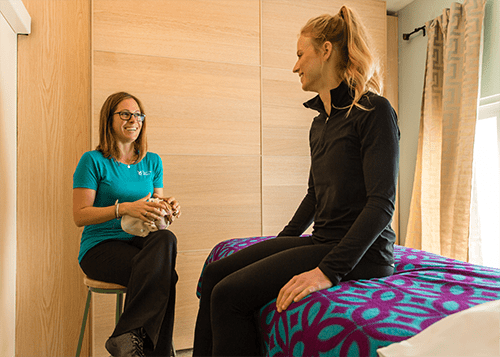
How Targeted Exercise Can Relieve Pregnancy Discomfort
Understanding your symptoms is only the first step. The next step is knowing how to respond to them. That’s where targeted exercise and movement strategies become essential.
Exercise during pregnancy is not about pushing intensity. It is about improving coordination and giving your body the support it needs. The most helpful programs focus on how you breathe, how you activate deep abdominal support, and how the pelvic floor responds during movement.
A well-designed approach often focuses on:
- Breathing mechanics
- Pelvic floor activation and relaxation
- Deep core engagement through the transverse abdominis
- Strength and control that match your trimester
When these pieces work together, pressure is managed better and the body does not have to compensate as much through the back, hips, or pelvis.
Support Tools That Help During Pregnancy
Exercise is the foundation, but support tools can make daily movement easier while you work on strength and coordination. They are not a replacement for muscle function, but they can reduce irritation and help you feel more comfortable.
Common supportive tools may include:
- Pregnancy support belts
- Pillows for better sleep positioning
- Mobility tools such as foam rollers or balls
These tools work best when paired with a plan that addresses the reason pain is happening in the first place.
The best tools are the ones that make daily life easier while your body learns to move with better support.
What a Structured Plan Looks Like Across Trimesters
Your body does not need the same thing in the first trimester as it does later in pregnancy. A structured plan should evolve with your symptoms, movement changes, and physical demands.
| Trimester | Main Focus | Why It Matters |
|---|---|---|
| First Trimester | Awareness, breathing, gentle activation | Builds a foundation without adding unnecessary strain |
| Second Trimester | Strength and posture support | Helps manage growing load and common pain patterns |
| Third Trimester | Mobility and delivery preparation | Supports comfort, movement, and function late in pregnancy |
First Trimester
Focus on awareness, breathing, and gentle activation so your body starts building better support early.
Second Trimester
Strength and posture become more important as the baby grows and symptoms often become more noticeable.
Third Trimester
Mobility, symptom management, and preparation for delivery take priority as demands on the pelvis continue to increase.
A Smarter Way to Move Through Pregnancy
Pain during pregnancy is common, but it is often manageable with the right approach. Understanding how the pelvic floor, breathing, and core work together can change how your body feels day to day.
Instead of guessing which exercises are safe or useful, a structured plan gives you a practical way to reduce discomfort, improve stability, and feel more confident in how you move. That support can make a real difference throughout pregnancy and into postpartum recovery.
Get Support for a More Comfortable Pregnancy
Find step-by-step support designed to reduce discomfort, improve stability, and help you move with more confidence throughout pregnancy.
For informational purposes only.