
How to Prevent Pelvic Floor Issues Before and After Pregnancy
Mar 12, 2026
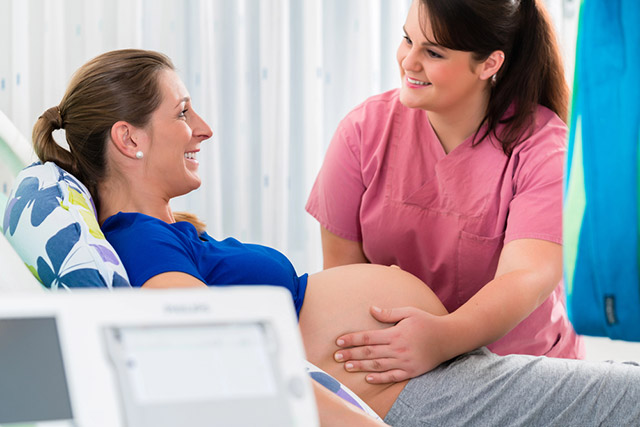
Pelvic floor problems do not always begin after delivery. Many of the patterns that contribute to pressure, weakness, tension, or poor coordination start during pregnancy, long before the postpartum period begins.
Key Takeaways
- Pelvic floor issues can begin developing during pregnancy, not just after birth
- Early support can reduce strain and improve coordination before symptoms grow
- Breathing, core support, and movement habits all influence recovery
- A proactive plan helps bridge pregnancy and postpartum more effectively
The work you do during pregnancy can shape how supported and prepared your body feels after delivery.
How Early Awareness Improves Postpartum Recovery
Early prevention matters. The more you understand how to support breathing, core function, movement, and pelvic floor coordination during pregnancy, the more prepared your body can be for recovery afterward.
If you want a broader explanation of how the pelvic floor works, this pelvic floor resource is a helpful place to start.
How to Support Your Pelvic Floor for Recovery After Pregnancy
Pelvic floor problems do not always begin after delivery. Many of the patterns that contribute to pressure, weakness, tension, or poor coordination start during pregnancy, long before the postpartum period begins.
That is why prevention matters. The more you understand how to support breathing, core function, movement, and pelvic floor coordination during pregnancy, the more prepared your body can be for recovery afterward.
If you want a broader explanation of how the pelvic floor works, this pelvic floor resource is a helpful place to start.
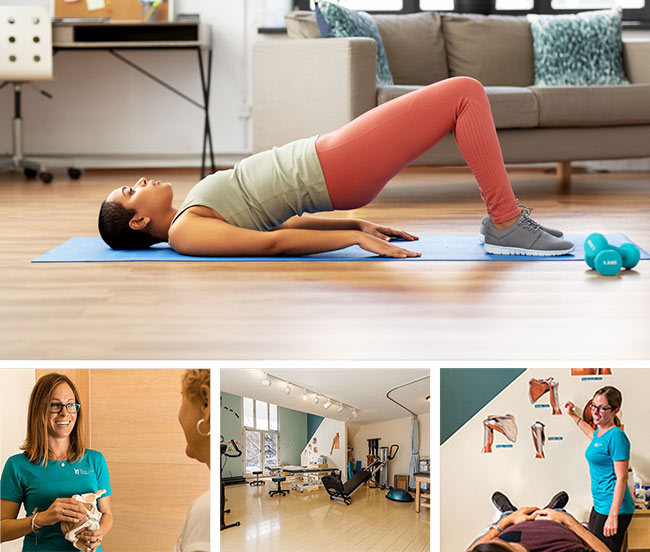
Why Pelvic Floor Support Should Start During Pregnancy
Many people do not think about pelvic floor health until symptoms become noticeable or recovery feels harder than expected. By that point, the body may already be compensating for months of increased pressure and changing movement patterns.
Prevention does not mean trying to avoid every possible symptom. It means giving your body better support while it adapts. That includes improving how you breathe, how you manage pressure through your core, and how your pelvic floor responds during movement.
Starting early gives you more room to build helpful habits before your body is under even greater demand.
Common Signs Your Pelvic Floor Needs More Support During Pregnancy
Prevention often starts with paying attention to smaller signs that are easy to dismiss. These do not always mean something is seriously wrong, but they can signal that your body would benefit from more support and better coordination.
- Heaviness or pressure through the pelvis
- Difficulty coordinating your core during exercise or movement
- Increased tension or discomfort with daily activity
- Feeling less stable or supported as pregnancy progresses
- Changes in how your body handles load, movement, or recovery after activity
The earlier you respond to subtle changes, the easier it often is to adjust before those patterns become more frustrating later.
How Breathing, Core Strength, and the Pelvic Floor Work Together
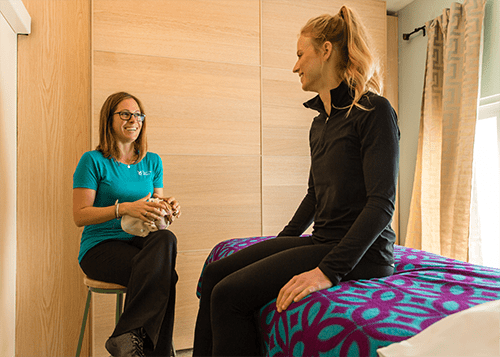
The pelvic floor does not work in isolation. It coordinates with the diaphragm, deep abdominal muscles, and pressure system of the body. That means prevention is about more than isolated exercises.
When breathing and core support are working well, the pelvic floor has a better environment to respond effectively during movement, exercise, and everyday activity. When those systems are not coordinated, the body may rely on tension, compensation, or inefficient movement instead.
That is why education and guided exercise can be so valuable before symptoms become more disruptive.
Build Stronger Pelvic Floor Support Before Postpartum Recovery Begins
Follow a guided plan designed to improve breathing, core coordination, and pelvic floor support during pregnancy so your body is better prepared for what comes next.
How Pregnancy Habits Influence Postpartum Pelvic Floor Recovery
What you practice during pregnancy often carries into recovery. Breathing strategies, movement control, and better awareness of your pelvic floor can make it easier to reconnect with your body after delivery.
That does not mean postpartum recovery will look the same for everyone. It does mean that building supportive habits earlier can reduce some of the guesswork when you are ready to return to walking, exercise, and daily routines.
A pregnancy plan that keeps postpartum in mind helps create continuity instead of treating birth as the first time pelvic floor care matters.
Pelvic Floor Priorities During Pregnancy and Postpartum Recovery
| Stage | Main Goal | What to Focus On |
|---|---|---|
| During Pregnancy | Support adaptation | Breathing, pressure management, stability, and movement awareness |
| Late Pregnancy | Prepare for delivery | Maintain mobility, reduce unnecessary tension, and keep movement supported |
| Early Postpartum | Reconnect gradually | Restore awareness, breathing coordination, and appropriate core support |
During Pregnancy
Build supportive habits early instead of waiting for bigger issues to develop.
Before Delivery
Keep your body mobile, coordinated, and better prepared for physical change.
After Birth
Use the foundation you built during pregnancy to guide a smoother recovery process.
Simple Habits That Support Pelvic Floor Health Throughout Pregnancy
Prevention usually does not come from one major change. It comes from consistent habits that support your body over time.
- Use breathing to guide movement instead of holding tension unnecessarily
- Choose exercise that builds support instead of just adding effort
- Pay attention to how your body responds as pregnancy progresses
- Adjust expectations and exercise choices as your needs change
- Think about recovery before postpartum arrives
Prevention works best when it feels realistic enough to repeat consistently, not perfect enough to maintain once.
Strengthen Your Pelvic Floor for Pregnancy and Postpartum Recovery
Pelvic floor support is not just about solving problems after they happen. It is also about preparing your body during pregnancy so recovery has a stronger place to start.
With the right guidance, you can create more supportive movement habits now that continue to matter long after delivery.
For informational purposes only.