
How To Relieve Pelvic Pain During Pregnancy: Dos and Don’ts
Nov 10, 2025
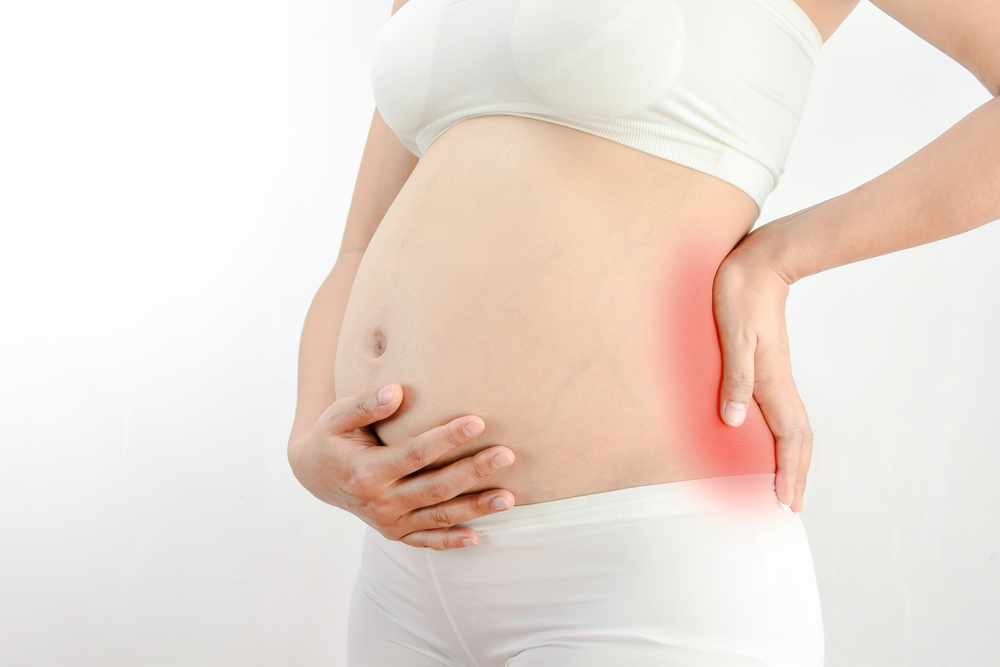
Pelvic pain is incredibly common during pregnancy as your body adjusts to support your growing baby. Shifting joints, stretching ligaments, and added weight can trigger discomfort ranging from mild aching to sharp pain. The good news is that many safe, effective strategies can help you feel better—while some approaches should be avoided.
Below, you’ll find a clear breakdown of what to do and what not to do, with helpful tips and expert-backed recommendations. Pelvic pain can also show up alongside related issues like low back pain or hip pain, and having the right support can make daily life significantly more comfortable.
What To Do for Pelvic Pain During Pregnancy
These strategies are generally considered safe during pregnancy and can help reduce pressure on your pelvis, support surrounding muscles, and ease discomfort. Always check with your provider before beginning new exercises or treatments.
Lie Down To Ease Pelvic Pressure
Lying down helps take pressure off the pelvic joints and ligaments. Many pregnant individuals find relief by lying on the side where pain feels strongest and using pillows to support the belly, hips, and legs. This helps your body settle into a neutral, more comfortable position.
Support Your Position
Tip: Place a pillow between your knees and another under your belly to keep your hips aligned and reduce strain.
Get a Prenatal Massage
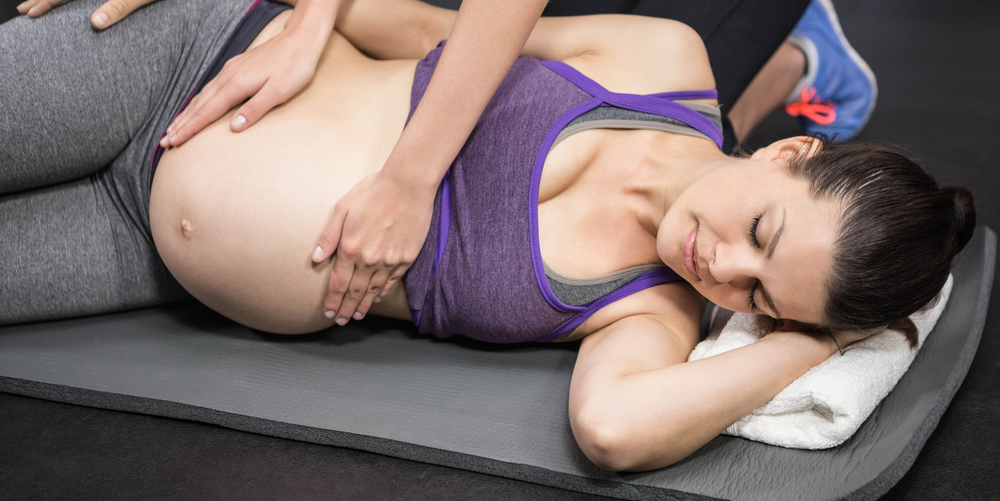
A prenatal massage can release muscle tension, improve circulation, and ease strain that contributes to pelvic pain. Always choose a massage therapist trained in prenatal techniques to ensure proper positioning and safety.
Communicate Your Pain
Tip: Tell your therapist exactly where your pain sits so they can target the surrounding muscles that may be contributing to discomfort.
Do Kegel Exercises
Kegel exercises strengthen the internal pelvic floor muscles that support the uterus and other organs. When these muscles are weak, the pelvis can feel unstable or strained. Kegels help restore support and may reduce discomfort.
Stay Consistent
Tip: Add Kegels into daily routines—like brushing your teeth or waiting at stoplights—to build strength without feeling overwhelmed.
Do Pelvic Tilt Exercises
Pelvic tilts help strengthen the muscles that support your pelvis and spine. These movements can relieve pressure, improve alignment, and ease tightness in the lower back, ultimately reducing pelvic discomfort.
Use a Gentle Position
Tip: Try pelvic tilts on your hands and knees to reduce belly pressure and provide gentle decompression for the pelvis.
Prop Up Your Feet When Sitting
Sitting with your knees below hip level increases tension on the pelvis. Elevating your feet helps keep your hips and knees aligned, reducing strain on the pelvic area and improving comfort.
Choose a Stable Surface
Tip: Use a small stool or low box under your feet when sitting for extended periods to maintain better pelvic alignment.
Use a Pregnancy Pillow
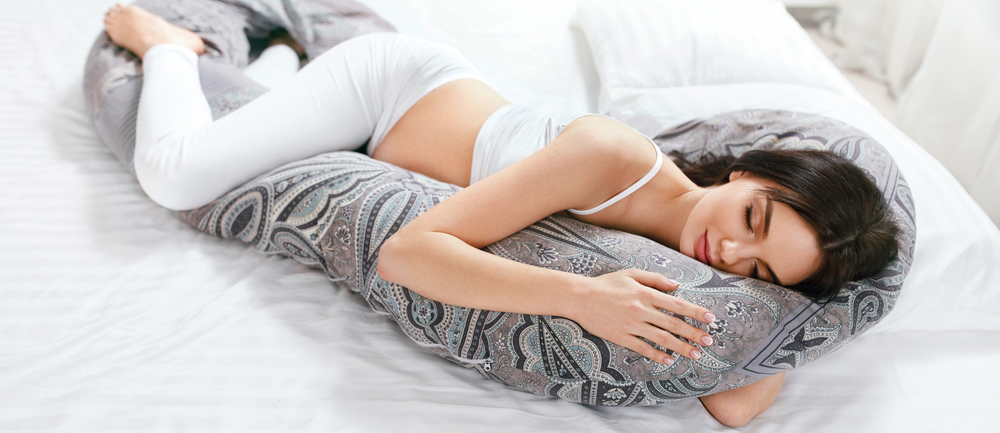
Proper sleep positioning can significantly reduce pelvic pain. A pregnancy pillow supports the spine, belly, and hips, helping your body stay aligned throughout the night.
Create a Supportive Sleep Setup
Tip: Make a “pillow nest” by placing one pillow between your knees, one under your belly, and one behind your back.
Exercise in Water
Water supports much of your body weight, reducing pressure on the pelvis and spine. Activities like gentle swimming, water walking, and light aquatic exercises allow you to move comfortably while strengthening your muscles.
Start Slowly
Tip: Begin with slow water walking in chest-deep water and switch to floating or gentle kicking if pain increases.
Take Tylenol (With Your Doctor’s Approval)
Tylenol (acetaminophen) is one of the few over-the-counter pain relievers often considered safe during pregnancy. However, you should always consult your provider before taking it and follow recommended dosages carefully.
Track Your Doses
Tip: Keep a simple log of when you take acetaminophen to avoid accidental overuse and provide helpful information for your provider.
Schedule an Appointment With a Physical Therapist
Persistent pelvic pain during pregnancy often responds well to specialized pelvic floor physical therapy. A trained therapist can identify imbalances, use gentle hands-on techniques, and guide you through exercises tailored specifically to your needs.
Bring Helpful Details
Tip: Note which movements cause pain—like walking, rolling in bed, or standing on one leg—so your therapist can design the right plan.
Need Relief From Pregnancy-Related Pelvic Pain?
Our therapists offer personalized, pregnancy-safe techniques to help you feel better and move comfortably.
Contact usWhat Not To Do for Pelvic Pain During Pregnancy
Certain common pain-relief methods aren’t recommended during pregnancy or require extra caution. Avoiding these can help protect both your comfort and your safety.
Don’t Use Heating Pads or Hot Tubs Unsafely
Excessive heat may raise your core body temperature, which is unsafe during pregnancy. If using a heating pad, keep it on a low setting, limit time, and avoid placing it directly on your belly. Hot tubs and very hot baths should be avoided.
Use Safer Warmth
Tip: A warm (not hot) bath or a warm compress applied to your lower back offers similar relief with less risk.
Don’t Use Ibuprofen or Aspirin
Pain relievers like ibuprofen and aspirin are not recommended during pregnancy unless specifically approved by your provider. Many muscle rubs contain aspirin-like ingredients (salicylates), which can be absorbed through the skin.
Read Labels Carefully
Tip: Look for “ibuprofen,” “aspirin,” “NSAIDs,” or “salicylates” on labels, and always ask your provider if you’re unsure.
Don’t Overexert Yourself
Overexertion puts added stress on your joints, ligaments, and muscles—especially the already-strained pelvic area. It can also increase fatigue and affect your emotional well-being.
Balance Rest and Activity
Tip: Follow a “20–10 rule”—for every 20 minutes of activity, rest or stretch for 10 minutes.
Pregnancy Pelvic Pain Red-Flag Checklist
Call your doctor or seek medical care right away if you experience:
- Sudden, sharp, or severe pelvic pain
- Pain that worsens rapidly or makes walking difficult
- Vaginal bleeding or fluid leakage
- Fever, chills, or feeling very unwell
- Strong abdominal cramping unlike Braxton Hicks
Daily Pelvic Pain Relief Checklist
Small, consistent habits can significantly reduce pelvic discomfort throughout pregnancy:
- Change positions every 30–45 minutes
- Use pillows to support your belly, back, and legs
- Do gentle pelvic tilts
- Take short, comfortable walks
- Try water-based movement
- Elevate your feet when sitting
- Avoid single-leg movements when possible
- Ask for help with heavy lifting
You’re Not Failing — Pelvic Pain Is Common and Treatable
Pelvic pain during pregnancy can be frustrating and exhausting, but it’s incredibly common. Experiencing pain does not mean you’re doing anything wrong or that your body is failing. Your body is working hard to grow and support your baby, and it’s okay to need extra help.
With the right combination of rest, proper positioning, gentle movement, and targeted support through physical therapy or pelvic floor treatment, many people experience significant relief. Remember, your comfort matters—and support is always available.
Ready for Personalized Pregnancy Support?
Our expert physical therapists can help you regain comfort, confidence, and mobility throughout your pregnancy.
Contact usFor informational purposes only.