
Safe Pregnancy Exercises by Trimester: What Your Body Actually Needs
Mar 22, 2026
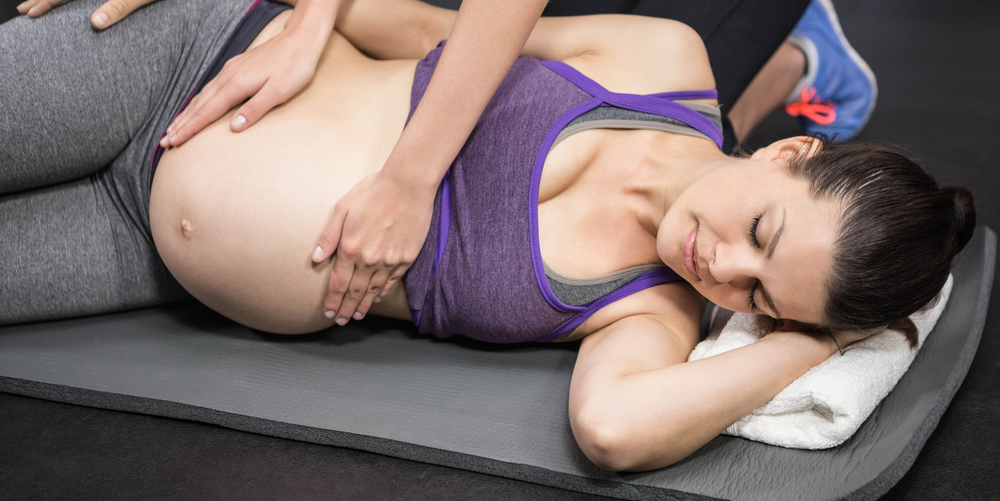
Your body does not need the same kind of support in early pregnancy that it needs later on. As posture, pressure, balance, and mobility change, your exercise routine should change too.
Key Takeaways
- Each trimester calls for a different exercise focus
- Breathing, core support, and pelvic floor coordination should guide progression
- Safe pregnancy exercise is about control, not intensity
- A structured plan removes guesswork and helps you adapt with confidence
The best pregnancy exercise plan changes as your body changes, rather than repeating the same routine for nine months.
How To Support Your Body Through Each Trimester
The goal is not to do more. It is to do the right things at the right time. A trimester-specific approach helps you stay active in a way that supports stability, breathing, core control, and confidence as your body changes.
If you want a better understanding of how pelvic floor support fits into pregnancy movement, this pelvic floor resource provides useful background on how these systems work together.
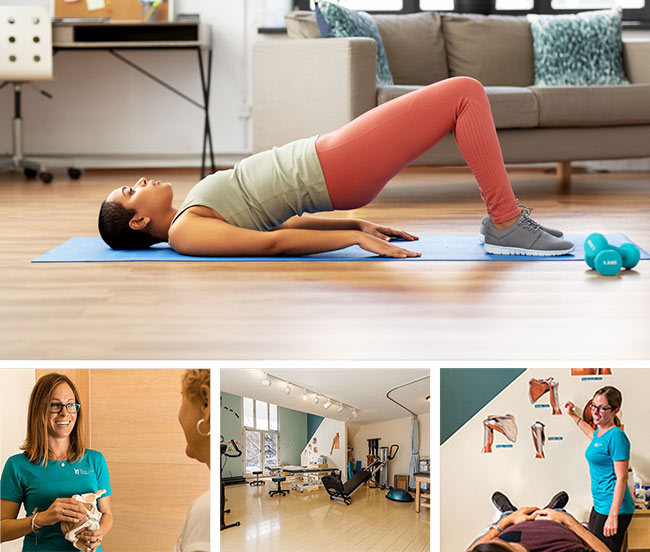
Why One Workout Plan Does Not Fit Every Stage of Pregnancy
Pregnancy changes how your body manages load, pressure, and movement. What feels manageable in the first trimester may feel completely different by the second or third.
As your center of gravity shifts and your body becomes more mobile in some areas and less mobile in others, exercise needs to adapt. That does not mean you have to stop moving. It means your movement needs more intention.
A thoughtful plan helps you keep exercising without asking your body to do things it is no longer being supported to do well.
Build a Strong Foundation With Breathing, Core, and Pelvic Floor Awareness
Early pregnancy is the best time to build a foundation. Even if your body is not showing major physical changes yet, it is already adapting internally. This stage is a good time to focus on how you breathe, how your core responds, and how your pelvic floor coordinates with movement.
- Practice breathing coordination
- Build awareness of pelvic floor engagement and relaxation
- Improve control with simple core-based movement
- Establish consistency without overloading the body
The first trimester is less about pushing and more about creating a strong base you can build on later.
Build Strength and Stability as Your Body Changes During Pregnancy
By the second trimester, posture changes become more noticeable and the body begins managing a larger load through the abdomen, pelvis, and spine. This is where exercise needs to shift from simple awareness into better stability and controlled strength.
- Support changing posture with better movement mechanics
- Strengthen the core without over-bracing
- Use breathing to improve pressure control during movement
- Progress exercises in a way that still feels supported
This stage often benefits from more deliberate exercise choices. Good progression matters more than intensity.
Not Sure What Exercises Are Safe?
Follow a structured plan designed to support your body in each stage of pregnancy, without the confusion of piecing things together on your own.
Maintain Mobility and Prepare Your Body for Labor and Delivery
Late pregnancy requires another adjustment. At this stage, the goal is usually to maintain comfortable movement, support mobility, and continue building patterns that will help with labor, delivery, and recovery.
- Keep movement manageable and consistent
- Support comfort during everyday activities
- Use breathing to reduce unnecessary tension
- Prepare the body for the physical demands ahead
The third trimester is often about staying supported and mobile, not trying to force progress the same way you might earlier in pregnancy.
How to Progress Prenatal Exercise Without Overloading the Pelvic Floor
Safe progression is one of the biggest differences between random pregnancy workouts and a structured plan. Progression is not about making every movement harder. It is about choosing the next step that still supports good mechanics, steady breathing, and body awareness.
That might mean:
- Adding control before adding resistance
- Improving coordination before increasing challenge
- Adjusting position as pregnancy changes
- Scaling exercises based on energy, comfort, and support
When exercise is progressed well, it feels purposeful instead of overwhelming.
What Your Exercise Priorities Look Like Throughout Pregnancy
| Trimester | Main Focus | What to Prioritize |
|---|---|---|
| First Trimester | Awareness and control | Breathing, pelvic floor coordination, and foundational core support |
| Second Trimester | Strength and stability | Posture support, pressure management, and controlled progression |
| Third Trimester | Mobility and preparation | Comfort, consistency, and movement patterns that prepare for delivery |
First Trimester
Learn the basics of breathing, core coordination, and pelvic floor awareness.
Second Trimester
Build support and stability with more structured progression.
Third Trimester
Stay mobile, reduce unnecessary strain, and prepare for what comes next.
Move Through Pregnancy With a Plan That Supports Your Body and Pelvic Floor
Exercise during pregnancy does not have to feel confusing. When you know what your body needs in each trimester, it becomes easier to stay active in a way that feels supportive, effective, and realistic.
A structured plan helps you focus on the right goals at the right time so you can keep moving with more clarity and less guesswork.
For informational purposes only.