
Is It Safe to Strengthen Your Core During Pregnancy?
Aug 17, 2026
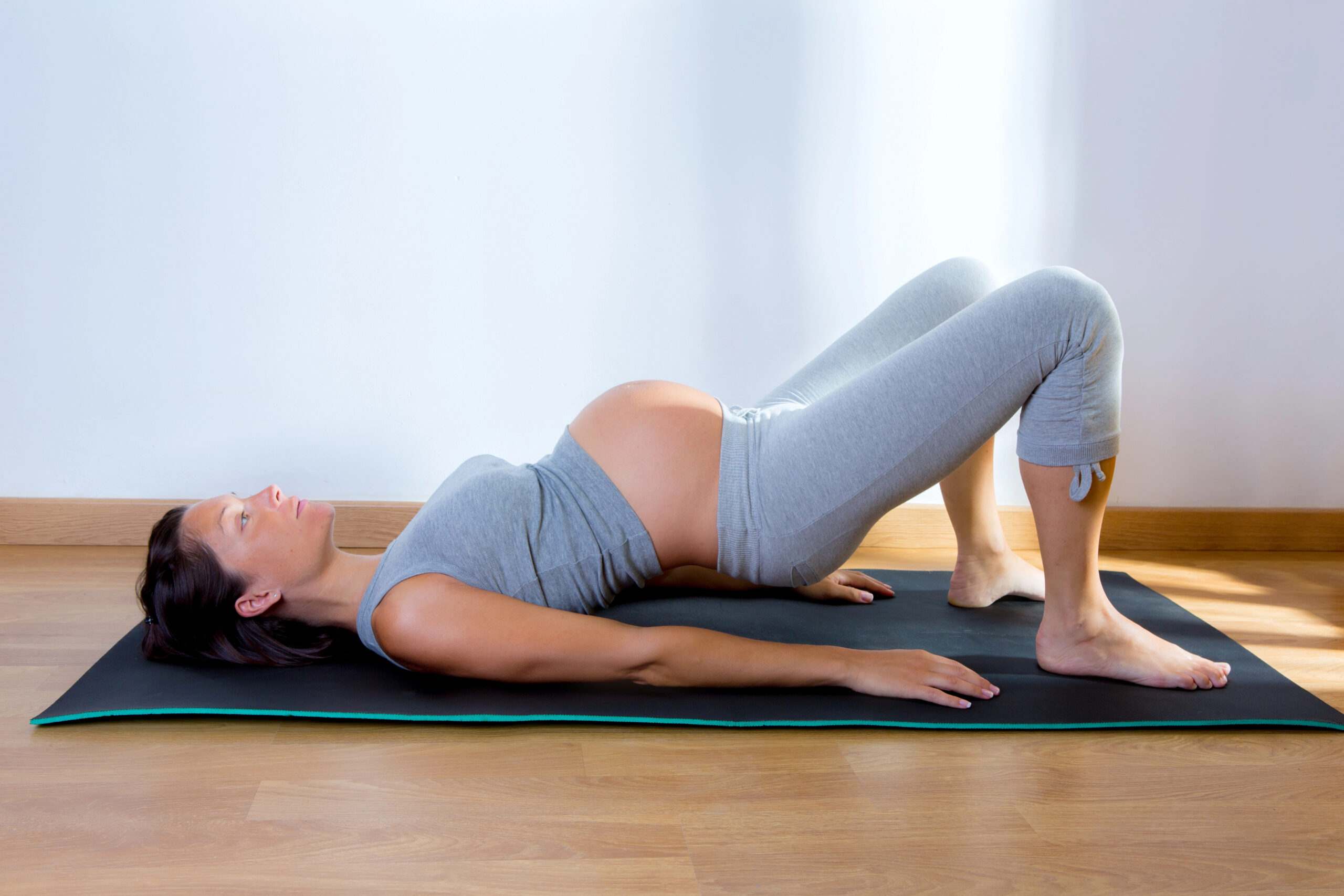
Pregnancy can make you question exercises that once felt routine. You may wonder whether strengthening your abs is still safe, whether certain movements place too much pressure on your belly, or whether core exercise could contribute to abdominal separation.
For most people with an uncomplicated pregnancy, core strengthening can remain part of an active pregnancy. The goal isn’t to keep your core working exactly as it did before pregnancy. It’s to adapt your exercises as your abdominal wall, breathing, balance, and pelvic floor respond to a growing baby.
Key Takeaways
- Core strengthening can be appropriate during a healthy pregnancy.
- Your core includes the abdominal muscles, diaphragm, pelvic floor, back, and hips.
- Exercises may need to change as your abdomen grows and your balance shifts.
- Breath-holding, excessive bracing, pain, pressure, or persistent abdominal doming can signal that an exercise needs to be modified.
- Good core training includes strength, breathing, coordination, and the ability to relax between efforts.
You don’t have to stop strengthening your core during pregnancy. You may simply need to change how you strengthen it.
Core Strength Is Still Useful During Pregnancy
Your core helps transfer force when you walk, lift, exercise, get out of bed, or stand from a chair. Pregnancy doesn’t switch those muscles off. Instead, your body changes how they contribute as your uterus grows and your center of gravity shifts.
Pregnancy core training is less about chasing a harder abdominal workout and more about helping your trunk respond to the demands of everyday movement. That means choosing exercises that allow your abdominal muscles, diaphragm, pelvic floor, back, and hips to work together while you breathe and move with control.
What Does It Mean to Strengthen Your Core During Pregnancy?
Core strengthening doesn’t have to mean crunches, sit-ups, or trying to keep your stomach pulled inward. Your core is a coordinated system that helps your body create support and manage pressure while you move.
A pregnancy core exercise might involve controlling your trunk during a squat, carrying a weight, moving an arm or leg while maintaining balance, or coordinating an exhale as you stand. These movements train control and stability while allowing the abdominal muscles to work as part of a larger system.
A core exercise doesn’t need to create an intense abdominal burn to be effective. During pregnancy, control and coordination often matter more than how difficult an exercise feels.
Pregnancy Changes the Exercise, Not the Need for Strength
As your uterus expands, the abdominal wall lengthens and your center of gravity shifts. That changes the demand on your hips, back, pelvis, and abdominal muscles. An exercise that felt comfortable early in pregnancy may create more strain later because the position, resistance, or range of motion no longer matches your body.
That doesn’t automatically make the exercise dangerous. Understanding how pregnancy exercises can change by trimester can help you recognize when it may be time to reduce the resistance, change your position, shorten the range of motion, slow the movement, or choose a variation that provides more support.
Can You Still Work Your Abdominal Muscles?
Yes. Your abdominal muscles continue working throughout pregnancy, and they don’t need to be avoided simply because your belly is growing. The better question is whether a particular exercise allows you to breathe, control the movement, and manage the pressure it creates.
Supported squats, rows, carries, standing resistance exercises, side-lying exercises, and hands-and-knees variations can all challenge the core without requiring a traditional abdominal workout. As pregnancy progresses, exercises performed flat on your back may also need to change. If a position makes you dizzy, lightheaded, nauseated, uncomfortable, or short of breath, change positions and discuss the symptom with your pregnancy care provider.
Learn How to Strengthen Without Guessing
Our pregnancy-specific pelvic floor course teaches breathing, core coordination, pelvic floor awareness, and practical movement strategies you can use as your body changes.
- More than one hour of educational content
- 28 follow-along exercise videos
- Email access to a pelvic health physical therapist
- Complete online access for $25
Why Does Breathing Matter During Core Exercise?
Core strength and breathing are closely connected. Holding your breath during a difficult movement can increase pressure through your abdomen and pelvis. That pressure isn’t automatically harmful, but repeatedly creating more pressure than you can comfortably manage may make an exercise feel harder than it needs to.
The connection between breathing and pelvic floor function allows your abdominal wall and pelvic floor to respond together as pressure changes. A gentle exhale during the most demanding part of a movement can support this coordination, but you should still be able to breathe between repetitions instead of holding your abdomen tightly throughout the exercise.
What About Coning or Doming Through the Abdomen?
You may notice a ridge or raised area along the center of your abdomen during certain movements. This is often called coning or doming. It can become more visible during pregnancy as the abdominal wall stretches and the tissue between the abdominal muscles adapts.
Some doming doesn’t automatically mean you’ve injured your abdomen or that the exercise is unsafe. It provides feedback about how your abdominal wall is managing that particular movement. If the doming is pronounced or difficult to control, try changing one part of the exercise:
- Reduce the resistance or number of repetitions.
- Shorten the range of motion.
- Slow the movement down.
- Exhale through the most difficult portion.
- Choose a more supported body position.
- Switch to a variation that feels easier to coordinate.
The goal isn’t to spend pregnancy monitoring your stomach for a perfectly flat appearance. Consider your entire response to the exercise, including your breathing, comfort, control, pelvic pressure, and ability to recover afterward.
Signs a Core Exercise May Need to Be Modified
Your body can give you useful information when the demand of an exercise is no longer a good match. Consider changing the exercise if you consistently notice pain, significant pelvic pressure or heaviness, urine leakage, difficulty breathing normally, pronounced abdominal doming that you can’t reduce, or enough strain to make you lose control of the movement.
Symptoms that interfere with walking, work, exercise, sleep, bathroom function, sexual function, or other daily activities are also worth discussing with a pregnancy care provider or pelvic health physical therapist instead of simply exercising through them.
How Can You Adjust Core Strengthening as Pregnancy Progresses?
There is no single list of exercises that every pregnant person should perform or avoid. The most useful modification depends on your stage of pregnancy, previous training, symptoms, comfort, and how your body responds to the exercise.
| What You Notice | What It May Mean | What to Try |
|---|---|---|
| You can’t breathe comfortably during the movement | The effort or bracing strategy may be too demanding | Reduce the resistance and practice exhaling during the hardest part |
| Your abdomen forms a pronounced ridge or dome | Your abdominal wall may need a different load, position, or strategy | Change your angle, range, resistance, or exercise variation |
| You feel pelvic heaviness, pressure, or leakage | Your pelvic floor may be having difficulty managing the current demand | Reduce the load and consider a pelvic health assessment if symptoms continue |
| An exercise that used to feel good becomes uncomfortable | Your changing body may need a new setup | Modify the position instead of forcing the old version |
Breathe
Keep air moving instead of relying on a long breath-hold to create stability.
Adapt
Change the position, range, resistance, or support as your body changes.
Coordinate
Let your abdominal muscles, pelvic floor, hips, and breath share the work.
Core Strength Doesn’t Mean Constant Bracing
It can be tempting to keep your stomach pulled in because it feels more supported. Your core, however, should respond to effort and then release when that effort is over. The same applies to the pelvic floor. More squeezing isn’t always better, especially if the muscles already have difficulty relaxing.
Think of strength as having options. Your body should be able to create tension when a task requires it, adjust that tension as the task changes, and relax afterward. The same balance helps explain why Kegels aren’t always the answer during pregnancy: pelvic floor health depends on relaxation and coordination as well as strength.
How Can Physical Therapy Help?
A pelvic health physical therapist can assess how you breathe, how your abdominal wall responds to load, how your pelvic floor coordinates with movement, and whether pain or pressure changes your strategy.
This can be especially useful if you have pelvic or low back pain, leakage, heaviness, difficulty exercising comfortably, or uncertainty about continuing strength training. Treatment may include strengthening, breathing, mobility, relaxation, movement modification, or pressure-management strategies.
Get Support That Fits Your Body
If pregnancy symptoms are making it harder to exercise or manage everyday activities, PT Effect can help you find a plan that works for you.
Frequently Asked Questions About Core Exercise During Pregnancy
Can Core Exercise Cause Diastasis Recti?
Abdominal separation is a common adaptation as the abdomen expands during pregnancy. One exercise doesn’t automatically cause diastasis recti, but pain, pressure, loss of control, or pronounced doming may indicate that the movement needs to be modified.
Are Planks Safe During Pregnancy?
A plank may work well for some people and feel too demanding for others. The position, stage of pregnancy, symptoms, and ability to breathe and control the movement all matter. Raising your hands onto a stable surface or choosing a different exercise can reduce the demand.
When Should You Stop a Core Exercise?
Stop and change the exercise if you experience pain, dizziness, unusual shortness of breath, significant pelvic pressure, leakage, or difficulty controlling the movement. Contact your pregnancy care provider if symptoms are concerning, persistent, or affecting your daily activities.
Keep Building Strength as Your Body Changes
You don’t need to choose between avoiding core exercise and pushing through a routine that no longer feels right. Our pregnancy-specific course can help you adjust your breathing, load, position, and movement so you can build useful strength with more confidence.
For informational purposes only.