
Pelvic Floor Spasm: Causes, Symptoms, & Treatment Options
Dec 20, 2025

Pelvic floor spasm can make sitting, using the bathroom, exercising, or being intimate uncomfortable. You may experience persistent pressure, deep aching, urinary urgency, difficulty having a bowel movement, or pain that seems to come and go without a clear reason.
These symptoms aren’t simply an unavoidable part of aging or something you have to manage alone. Identifying why your pelvic floor remains tense can help you find the right balance of relaxation, movement, and muscle coordination.
Key Takeaways
- Pelvic floor spasm occurs when the pelvic floor muscles tighten involuntarily or have difficulty fully relaxing
- Symptoms may affect bathroom use, sitting, movement, sexual activity, and everyday comfort
- Pelvic floor spasm can affect people of any gender
- Muscles that remain tight don’t necessarily need more strengthening
- A pelvic health physical therapist can help determine whether you need relaxation, coordination, strengthening, or a combination of approaches
Pelvic floor symptoms may be common, but you don’t have to accept them as a normal part of life.
What Is Pelvic Floor Spasm?
Your pelvic floor muscles should be able to tighten when support is needed and relax when that effort is over. Pelvic floor spasm occurs when the muscles contract involuntarily, remain guarded, or have difficulty releasing fully.
The pelvic floor supports the bladder, bowel, and reproductive organs. These muscles also help with urination, bowel movements, sexual function, posture, movement, and pressure management.
When the muscles stay tense when they should relax, they can interfere with these functions and contribute to pain or discomfort in the pelvis and nearby areas.
Pelvic floor therapy can help identify what’s contributing to the tension and teach the muscles to relax, coordinate, and respond more effectively.
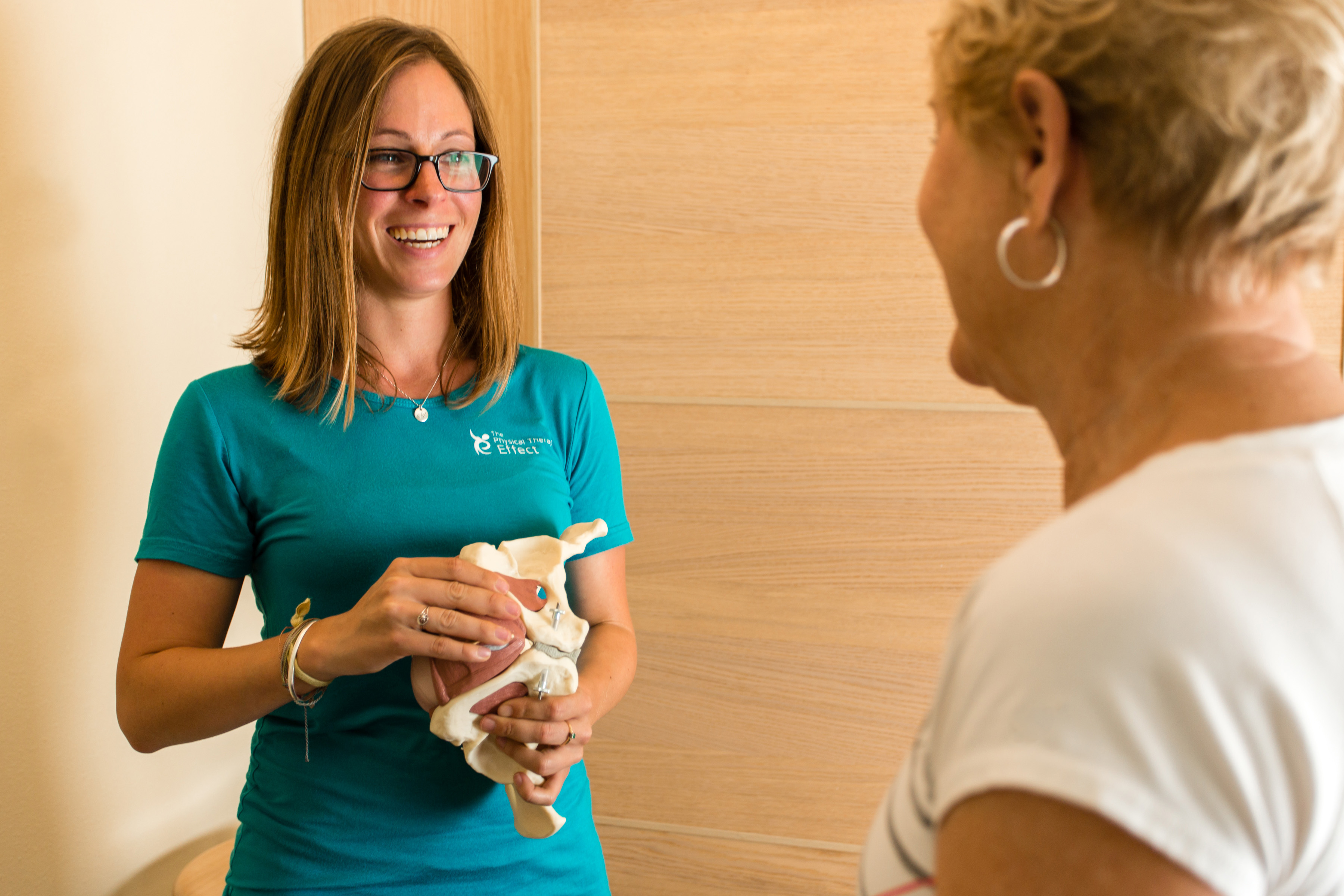
How Do You Know If You Have Pelvic Floor Spasm?
Pelvic floor spasm doesn’t look or feel exactly the same for everyone. Some people experience symptoms after sitting for a long time, during bathroom use, with penetration, or after physical activity. Others notice that symptoms increase during periods of stress or when pain develops elsewhere in the body.
You may have trouble starting urine flow despite feeling urgency, strain even when a bowel movement isn’t hard, or feel as though the pelvic muscles never fully release. Symptoms may remain constant or fluctuate from one day to another.
A healthcare provider or pelvic health physical therapist can evaluate the full pattern of your symptoms and determine whether excessive muscle tension may be contributing to them.
Pelvic pain, leakage, and difficulty using the bathroom can have several causes. A professional evaluation can help determine what’s happening before treatment begins.
What Does Pelvic Floor Spasm Feel Like?
Pelvic floor spasm may feel like an internal pulling sensation, a muscle cramp that won’t release, or a deep pressure that becomes more noticeable during certain activities.
The sensation may be felt directly within the pelvis or spread into the abdomen, hips, tailbone, groin, genital area, or lower back.
You may also notice that your body tightens automatically when you feel stressed, expect pain, or prepare for an activity that’s caused discomfort before.
- Deep aching, cramping, or pressure within the pelvis
- Burning or sharp pain in the pelvic or genital area
- A sensation that the pelvic muscles can’t fully release
- Discomfort that increases after sitting, exercise, or sexual activity
- Difficulty relaxing while urinating or having a bowel movement
Common Symptoms of Pelvic Floor Spasm
Because the pelvic floor contributes to several body functions, excessive tension can cause symptoms that may not initially seem connected to one another.
Bladder symptoms may include urgency, leakage, discomfort with urination, difficulty starting the flow, or feeling unable to empty fully. Bowel symptoms may include straining, incomplete bowel movements, pain during bathroom use, or a persistent sensation that you still need to go.
Pelvic floor spasm may also contribute to pain during or after sexual activity, difficulty with penetration, genital pain, erectile difficulties, or discomfort with ejaculation. Symptoms can affect people of any gender and should be evaluated based on the individual rather than treated with the same exercises for everyone.
You Don’t Have to Navigate Pelvic Pain Alone
Our pelvic health providers offer private, individualized care to help determine why your symptoms are occurring and whether your muscles need relaxation, strengthening, better coordination, or another form of support.
What Causes Pelvic Floor Spasm?
Pelvic floor spasm doesn’t always have one identifiable cause. Symptoms may develop through a combination of pain, muscle guarding, stress, movement patterns, medical conditions, and changes in bladder, bowel, or sexual function.
In some cases, the muscles tighten to protect the body after an injury, surgery, childbirth, or painful experience. That guarding response can become a habit, causing the pelvic floor to remain tense even after the original trigger has improved.
Potential contributing factors may include:
- Pregnancy and childbirth
- Pelvic, abdominal, or spinal surgery
- Injury or physical trauma
- Chronic straining during bowel movements
- Frequently holding urine or delaying bathroom use
- Persistent pelvic, abdominal, hip, or lower back pain
- Stress-related muscle guarding
- Changes in posture or movement patterns
- Neurological conditions that affect muscle control
A Tight Pelvic Floor Isn’t Necessarily a Strong Pelvic Floor
People often assume that pelvic floor symptoms mean the muscles are weak and need more strengthening. However, muscles that remain tense may already be working too hard and may not be able to produce useful force when it’s actually needed.
Immediately adding repeated pelvic floor contractions may increase discomfort when the muscles can’t fully relax. Treatment may need to begin with breathing, relaxation, mobility, and coordination before strengthening exercises are introduced.
A pelvic health physical therapist can assess how your muscles tighten, release, and respond during everyday activities. This helps determine whether strengthening, relaxation, or a combination of strategies is appropriate for your symptoms and goals.
Pelvic floor treatment should be based on how your muscles are functioning, not on the assumption that everyone needs the same strengthening exercises.
How Pelvic Floor Spasm Is Diagnosed
An evaluation typically begins with a conversation about your symptoms, medical history, bathroom habits, pain patterns, previous injuries or surgeries, sexual health concerns, and daily activities.
A pelvic health physical therapist may also assess your posture, breathing, hips, spine, abdomen, and external pelvic muscles. When appropriate and with your consent, an internal assessment may help evaluate muscle tension, tenderness, strength, and coordination.
Depending on your symptoms, your physician may recommend additional testing to rule out bladder, bowel, neurological, or other medical conditions. Any recommended testing will depend on your individual concerns and medical history.
Pelvic Floor Spasm Symptoms and Treatment Strategies
| Symptom | How It May Feel | Strategy Your Provider May Recommend |
|---|---|---|
| Pelvic or Lower Back Pain | Deep aching, pressure, burning, or discomfort that worsens with sitting | Breathing, muscle relaxation, mobility work, or manual therapy |
| Incomplete Bowel Movements | Straining or feeling that you still need to go after using the bathroom | Bathroom positioning, relaxation strategies, and bowel habit changes |
| Urinary or Fecal Leakage | Unexpected leakage during activity or with a strong sense of urgency | Bladder or bowel retraining and individualized muscle coordination |
| Painful Urination | Burning, pressure, or discomfort after infection and other medical causes have been evaluated | Pelvic floor relaxation and evaluation of bladder habits |
| Difficulty Starting Urination | Needing to wait, strain, or concentrate before urine flow begins | Breathing and strategies that reduce pelvic floor guarding |
| Pain During Sexual Activity | Burning, pressure, tightness, or deep discomfort during or after intimacy | Muscle relaxation, gradual mobility work, and symptom-specific care |
Relax
Learn how to reduce unnecessary pelvic floor tension and automatic muscle guarding.
Coordinate
Improve how your pelvic floor works with your breathing, abdomen, hips, and back.
Restore
Work gradually toward more comfortable movement, bathroom use, exercise, and intimacy.
Treatment Options for Pelvic Floor Spasm
Treatment depends on your symptoms, medical history, muscle function, and contributing factors. Care may involve both a physician and a physical therapist trained in pelvic health, particularly when symptoms affect several body systems.
Pelvic floor spasm treatment often begins by reducing tension and improving the muscles’ ability to release. Strengthening or endurance exercises may be introduced later if they’re appropriate and can be performed without increasing symptoms.
Your treatment plan may include:
- Pelvic floor physical therapy
- Breathing and relaxation exercises
- Manual therapy
- Posture and movement retraining
- Bladder or bowel habit modifications
- Activity and exercise modifications
- Stress-management or behavioral strategies
- Medication when recommended by your physician
How Physical Therapy Can Help
A pelvic health physical therapist evaluates more than whether your pelvic floor is strong or weak. Your assessment may examine how the muscles respond during breathing, bathroom use, sitting, movement, exercise, and other activities connected to your symptoms.
Based on what your body needs, your physical therapist may use relaxation strategies, manual therapy, mobility exercises, pressure management, habit changes, or gradual strengthening. Your plan can also be adjusted as your symptoms and goals change.
The goal isn’t simply to provide temporary symptom relief. Physical therapy can help you understand what triggers the tension and build practical strategies for more comfortable daily function.
Find Relief From Pelvic Floor Spasm
You don’t have to let pelvic pain, bladder symptoms, bowel difficulties, or muscle tension continue interfering with your daily life.
PT Effect provides discreet, personalized pelvic floor care to help you understand your symptoms, improve muscle coordination, and return to everyday activities with greater comfort.
For informational purposes only.